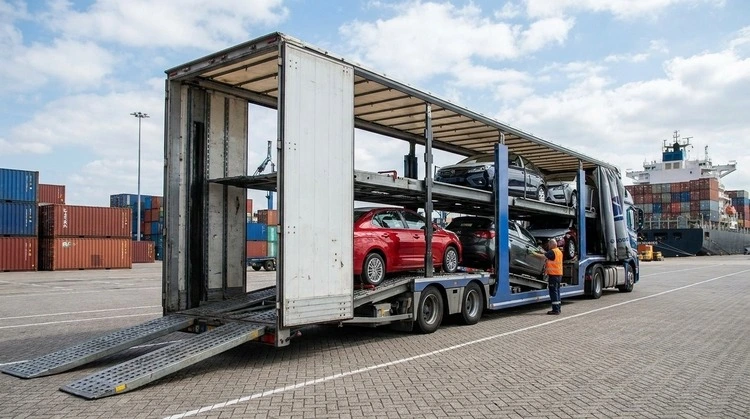
How to Ship a Car After Buying Online: A Complete Guide
In 2026, buying a car online is completely commonplace, whether it’s a brand-new EV, a rugged truck, or a rare classic you found across the country. Platforms like Carvana, CarMax, Vroom, AutoTrader, Cars.com, CarGurus, and even eBay Motors make it possible to browse, finance, and close a deal entirely from your phone. The global online car buying market was valued at over $390.4 billion in 2025 and is growing fast, yet here’s the catch: the purchase may be digital, but the car still needs to physically get to you. This guide walks you through every step to safely and affordably ship your vehicle after buying online.
Why a Car Shipping Company Is the Solution
Choosing the right way to get your car home is just as important as the purchase itself. For a short move, driving it back might make sense, but when distance, time, or the value of the vehicle becomes a factor, a professional auto transport company is often the better choice. Before booking, make sure the company is FMCSA-licensed, insured, and has positive customer reviews. Reliable auto transport companies like BAH Logistics have built a strong reputation through trustworthy service and transparent pricing, helping customers move their vehicles with confidence.
Here’s why shipping beats driving:
- Cheaper than flying out and driving home. Booking a flight, covering hotel nights, and fueling up for a long drive back can easily run $500–$1,000+ before you’ve moved an inch. Shipping your car often costs less in total and doesn’t require you to go anywhere at all.
- Safer for the vehicle. Every mile driven adds wear, exposes your car to road debris, and puts mileage on an odometer you may have paid a premium to keep low. For classics, exotics, or low-mileage finds, enclosed transport keeps your vehicle completely shielded from the moment it’s loaded to the moment it arrives.
- Saves time. Instead of spending days on the road, your car comes directly to you while you carry on with your life. There’s no scheduling around a long drive, no exhausting cross-country trip, and no time off work required.
- Fully insured. Legitimate car shipping companies are required by the FMCSA to carry active cargo insurance, meaning your vehicle is covered throughout the entire journey. That federal-backed protection gives you real recourse if anything goes wrong in transit.
- Door-to-door convenience. Your car is picked up from the seller’s location and delivered directly to your address, with no detours, no terminal drop-offs, and no logistics headaches on your end.
Getting Your Car Shipped: The Steps That Matter
Knowing why to use a shipping company is one thing — knowing how to work with one is what actually gets your car home without a hitch. Every step in the process has a purpose, and skipping or rushing any of them can lead to delays, miscommunication, or unexpected costs. Follow these steps in order, and the whole experience becomes straightforward.
Step 1: Understand Your Shipping Options
Before booking, choose a transport method that matches your vehicle’s value, condition, and protection needs. Here are the most common shipping methods available to car buyers.
- Open Transport is the most affordable option and the standard choice for everyday sedans, trucks, and SUVs. Vehicles travel on exposed multi-car trailers, with typical costs ranging from $500 to $1,200.
- Enclosed Transport protects vehicles inside a covered trailer, shielding them from weather and road debris. It is often preferred for luxury, classic, and high-value vehicles, though it generally costs 30% to 50% more than open transport.
- Door-to-Door Transport allows the carrier to pick up the vehicle from the seller and deliver it directly to your address. The added convenience makes it the most popular option for online buyers.
- Terminal to Terminal Transport requires drop-off and pickup at designated transport facilities. This can reduce costs and works well for buyers located near a major shipping hub.
Step 2: Know What It Will Cost
Shipping costs vary by distance, route, season, and vehicle type. To get an accurate quote, provide as much detail as possible upfront, including the vehicle make, model, year, and condition, your pickup and delivery locations, and your preferred transport type. Make sure all contact details and addresses are current and accurate before submitting, as even small errors can lead to pricing changes or delays once the carrier is assigned.
Step 3: Time Your Shipment Wisely
The timing of your vehicle purchase can affect both shipping costs and delivery availability. If you buy a car between May and August, higher demand from military PCS moves can increase rates on many transport routes by 10% to 15%. Demand also rises from December through February as snowbirds relocate to warmer states, creating additional pressure on Southeast and Southwest shipping lanes. If your purchase timeline is flexible, you may find lower shipping rates from late September through November and again from late January through March.
Step 4: Choose a Reputable Shipping Company
After purchasing a vehicle, take time to compare shipping companies rather than booking the first quote you receive. Look for strong customer reviews, high BBB ratings, adequate cargo insurance, and active FMCSA registration, which helps verify that a carrier is authorized to operate in interstate commerce. Reviewing these details can reduce the risk of delays, communication issues, and unexpected costs.
Step 5: Prepare Your Car for Pickup
If the vehicle is located with a private seller, dealership, or auction facility, ask them to:
• Remove any personal belongings or loose items from the vehicle.
• Ensure the vehicle is accessible and ready for pickup on the scheduled date.
• Provide all necessary keys, release forms, or auction paperwork required for transport.
• Inform the carrier of any mechanical issues, modifications, or special loading requirements.
• Leave approximately one-quarter tank of fuel if the vehicle is operable.
Before pickup, request recent photos of the vehicle from the seller. These images can help document its condition before transport begins.
Step 6: Track Your Shipment and Receive Your Vehicle
Once your vehicle is on the trailer, stay in contact with your transport company for updates. As delivery approaches, confirm the estimated arrival time and location with the driver. When the vehicle arrives, inspect it carefully before signing any delivery paperwork. Compare its condition to the seller’s photos and the pickup inspection documented on the Bill of Lading. If you notice any new damage or discrepancies, document them on the Bill of Lading before accepting delivery.
Step 7: Handle Title, Registration, and Taxes
The car’s arrival is just the logistics part. Don’t forget the paperwork.
- Out-of-state purchases: Sales tax, registration rules, and emissions requirements vary widely by state. You may need a temporary tag to legally drive the car after delivery.
- Title transfer: The seller (or dealer, or platform like Carvana/Vroom) should provide a signed title. Some states require this to be notarized.
- Registration: You’ll typically have 30–60 days after purchase to register in your home state.
- Emissions inspections: Some states (California, New York, etc.) require vehicles to pass a smog check before registration.
Final Word
Shipping a car is rarely complicated when you know what to expect. The online car buying market is maturing fast. Large platforms like Carvana and Vroom often include delivery as part of the purchase experience, but for private sellers, auctions, or cross-platform purchases, you will be coordinating transport yourself. Follow the steps above, choose a licensed shipping company, document everything, and you will have your new vehicle in your driveway without the headaches.