Tips to Help When You’re Saving for Your First Car
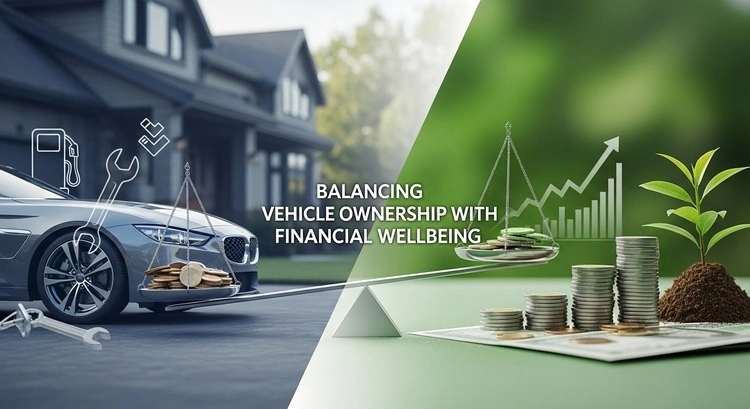
The prospect of owning your own set of wheels carries an undeniable thrill, but today it also comes with sticker shock. Used prices can feel stubbornly high, and early insurance quotes often knock the excitement sideways. But with a solid plan and appropriate expectations, you can make steady progress without locking yourself into expensive shortcuts.
Mapping your true budget
The price in the advert rarely tells the whole story. You also pay for road tax, fuel, insurance, MOTs, and the wear that comes from everyday driving. Work out what you can spare each month after rent, food, and bills, and the numbers you can afford should become clearer.
A £2,500 car that needs £600 a year in repairs costs more than a £3,000 model that runs reliably and sips fuel. Set your limit around what you can comfortably maintain, not what looks affordable on day one.
Boosting your deposit daily
Progress feels slow if you only think in big monthly chunks. Small, repeatable actions often move the needle faster because they’re more manageable in real life.
Rounding purchases up to the nearest pound through your banking app can quietly build £20 or £30 a month without changing your routine. Cutting one takeaway a week might free another £40.
Let the savings move automatically into a separate account so the money never competes with weekend plans.
To keep your savings resilient while they grow, consider where you park lump sums. An easy‑access savings account suits short timelines, but if you’re building over 12+ months, some savers allocate a small slice to liquid assets like bullion coins. The Pimbex American Gold Eagle overview explains purity, typical premiums, and resale liquidity so you can weigh potential upside against risks and fees. Any alternative vehicle should remain secondary to an emergency fund and your core deposit, but understanding options helps protect buying power until the right car appears.
Saving during the learner phase
You can trim future costs before you pass your test. If a family member already owns a suitable car, learner driver insurance lets you practice legally outside lessons while staying covered. More hours behind the wheel usually mean you need fewer paid sessions with an instructor.
Passing a month earlier can save several hundred pounds, which then drops straight into your car fund instead of disappearing on extra tuition.
Choosing for long-term value
The model you pick shapes your finances long after you collect the keys. Cars in lower insurance groups often cost less to repair and attract smaller premiums, which helps your budget breathe. A smaller engine keeps fuel bills predictable and can reduce strain on parts like brakes and tyres.
Before you commit, read owner reviews to spot patterns of faults; avoiding a known problem model can spare you a £400 garage bill just when your balance runs low.
Getting to your first car rewards patience more than speed. By matching your choice to your income and building momentum through everyday habits, you’ll arrive at ownership with confidence instead of regret – and far more money left for the onward journey.