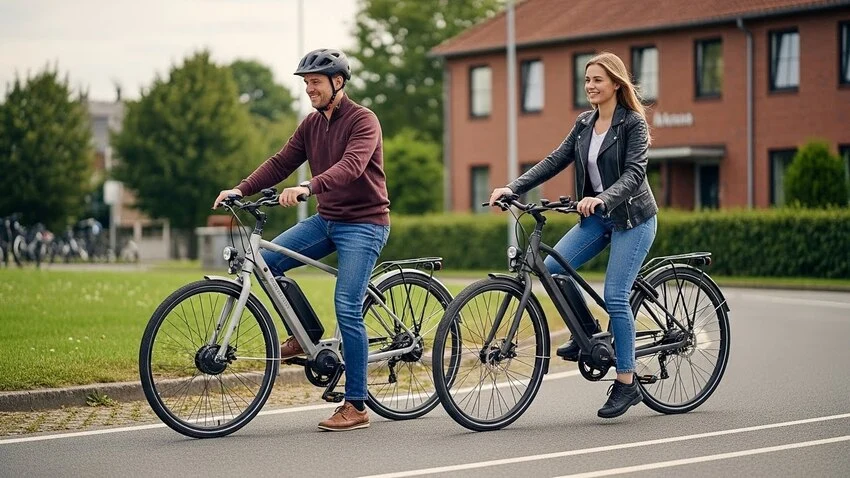
A guide to the “E-bike lifestyle.”
As more people ditch cars for e-bikes or scooters to lead greener lives, this shift is more than environmental consciousness but also a practical response to rising fuel costs, parking challenges, and the desire for healthier daily routines. Electric cycling offers urban dwellers an efficient alternative that combines convenience with sustainability, changing how thousands of Britons navigate city streets. Understanding the right equipment, safety measures, and health benefits helps newcomers transition smoothly into this growing movement.
1. Joining the Electric Revolution
Mornings across British cities feature the quiet hum of electric motors instead of rumbling combustion engines idling at traffic lights. UK e-bike sales reached 11.36% of all bicycles sold in 2024, up from just 0.86% in 2015, reflecting growing acceptance of electric cycling as legitimate urban transport. Switching to an e-bike changes tedious commutes through congestion into predictable journeys that eliminate fuel costs, parking fees, and the unpredictability of public transport delays. This guide shows how to integrate electric cycling into daily routines, offering freedom of movement without the perspiration that traditional bicycles demand during longer distances or hilly routes.
2. Equipping Yourself for the Urban Jungle
Choosing appropriate accessories guarantees comfort whether facing Manchester drizzle or London heatwaves. High-quality pannier bags transfer weight from shoulders to the bike’s frame, preventing the sweaty-back syndrome that rucksacks cause during extended rides, which is particularly important when arriving at offices or meetings. Invest in D-locks carrying “Sold Secure” ratings to protect your investment when parking outside supermarkets or workplaces; with average e-bike prices exceeding £2,000, solid security becomes essential rather than optional. Waterproof clothing is important during Britain’s unpredictable weather, whilst mudguards prevent road spray from ruining work attire during unexpected showers.
3. Prioritising Your Safety and Protection
Visibility is your primary defence when sharing roads with heavy goods vehicles and buses during rush hour chaos. Choose helmets featuring integrated rear lights alongside wearing reflective strips that highlight moving pedals to motorists approaching from behind. Research published in the Journal of Cycling and Micromobility confirms e-bikes carry identical accident likelihood and injury severity as conventional bicycles, meaning they’re neither more nor less safe than traditional cycling. Whilst personal injury solicitors provide essential support should collisions occur, maintaining alertness and guaranteeing visibility keeps you riding confidently throughout every journey, reducing accident risk through proactive prevention rather than reactive legal assistance.
4. Improving Your Health and Environment
Riding e-bikes delivers practical cardiovascular benefits without requiring clothing changes upon arrival at destinations. Adjustable motor assistance allows management of exertion levels, rendering hilly routes accessible regardless of current fitness, particularly valuable for riders returning to cycling after years away or those recovering from injuries. When choosing two wheels over four, you directly lower carbon footprints while lowering noise pollution in local communities. Transport for London data reveals 32% of urban e-bike owners reduced car usage, with 18% selling household vehicles entirely after discovering e-bikes met most transportation needs, showing electric cycling’s genuine potential as a car replacement instead of just a recreational supplement.
Electric cycling is practical urban mobility that combines environmental responsibility with genuine lifestyle improvements, making city living more sustainable and enjoyable.