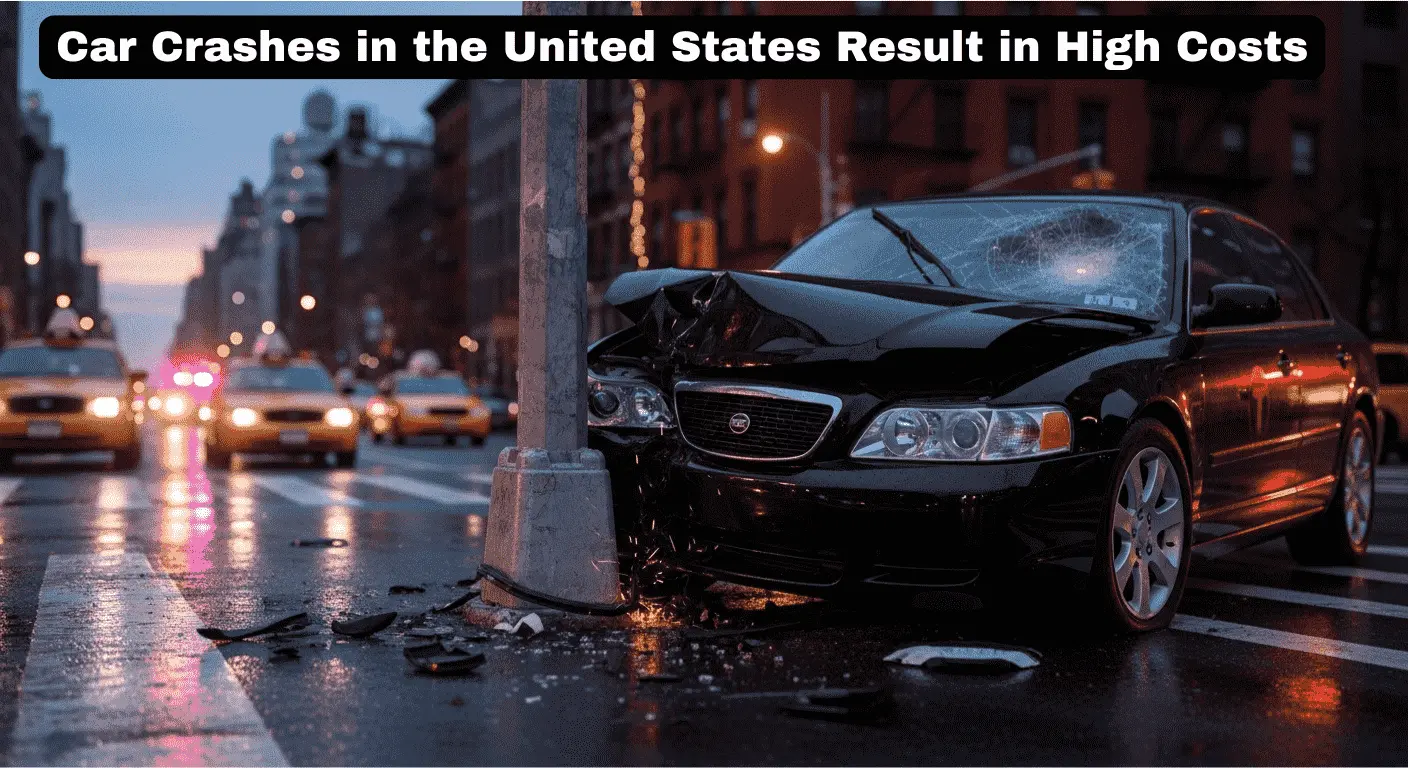
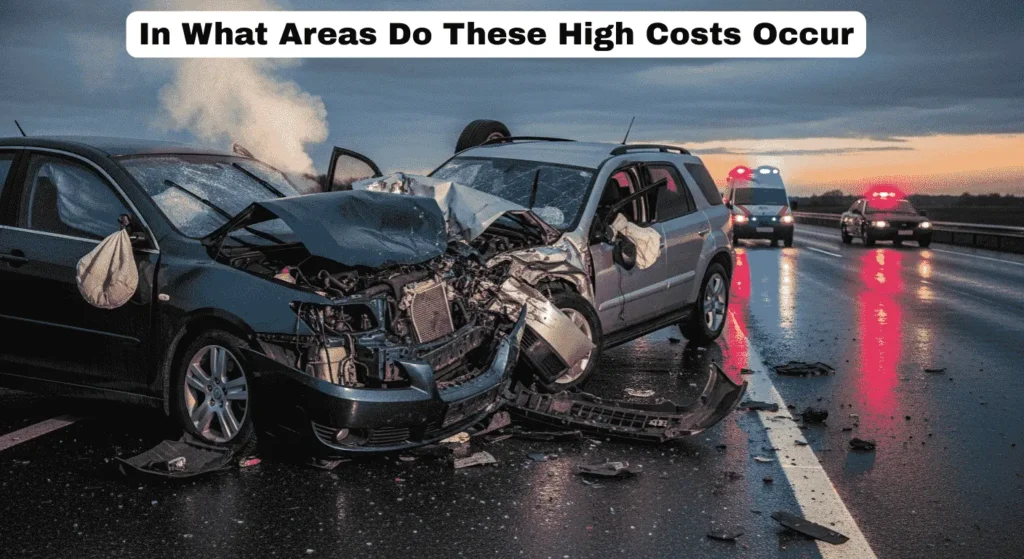
Car Crashes in the United States Result in High Costs. In What Areas Do These High Costs Occur?
Whenever an automobile accident occurs on an American highway, it is far more expensive than most people would expect. In fact, the cost extends far beyond crashed vehicles and healthcare expenses; it spreads through families, enterprises, and the entire economy.That’s why Car Crashes in the United States Result in High Costs. In What Areas Do These High Costs Occur? The answer would involve health care services, lost income from vehicle repairs, traffic jams, and even emotional suffering.
Each year, the nation incurs about $340 billion in losses due to accidents that could have been prevented by implementing measures to build safer roads, stronger societies, and better lives. The positive thing, however, is that the vast majority of these losses can be circumvented. If we act wisely, we will not only save money but also save millions of lives from enduring pain and loss.
Otherwise, we can be prevented by doing nothing more than raising our drivers’ awareness and giving them better cars and more frequent road service.
1. Healthcare and Medical Costs
The most significant part of these expenditures is medical treatment. Agreements on car accidents result in millions of Americans getting injured every year, with minor injuries and life-altering injuries. Ambulance rides, emergency surgeries, visits to the hospitals, and months of rehabilitation are expensive. A minor accident can result in thousands of dollars in medical expenses.
The expenses may be years long in the event of severe injuries like spinal damage or brain trauma. Such expenses can stretch months or even years if a player is injured badly enough, such as suffering from spinal damage or brain trauma. Even after they’re out, most of the victims also need treatment or medication. These are not treatments that cost money; they are treatments that leave a permanent stamp on people’s lives.
Behind every bill for medical care is a family struggling to heal, both physically and emotionally. That’s one reason healthcare is among the most significant costs associated with road accidents.
2. Lost Productivity and Wages
After a crash, some people can’t return to work for weeks or even months. Others may never be able to work the same way again. Lost wages and missed opportunities can push families into financial stress.
For employers, it means fewer workers, missed deadlines, and lower output. Across the country, this loss of productivity costs billions of dollars every year. It’s a hidden burden that affects not just individuals but also the overall economy.
Imagine a young worker with a bright future suddenly sidelined by an injury, who has lost potential and carries substantial economic and emotional burdens.
3. Property Damage and Vehicle Repair
Modern cars are brighter than ever, but that also means they’re more expensive to fix. A small bump today can damage sensors, cameras, or automated systems that keep drivers safe. According to NHTSA, property damage and vehicle repairs make up about $76 billion of the yearly cost. That includes repairing cars, replacing totaled vehicles, and repairing public property such as guardrails and traffic lights.
Even the most minor fender-bender can leave a big dent in someone’s wallet. With rising labor costs and expensive auto parts, repair bills keep climbing every year.
4. Legal and Administrative Expenses
Every accident starts a chain reaction of paperwork, phone calls, and sometimes lawsuits. Insurance claims, police reports, and court cases all take time and money. Lawyers, adjusters, and investigators get involved, each adding another layer of cost. In cases involving serious injuries or fatalities, the legal process can drag on for years. These costs may not always be visible, but they pile up quickly and account for a large share of the national total.
5. Traffic Congestion and Environmental Impact
When a crash blocks a road, thousands of other drivers feel the impact. Hours of delay, wasted fuel, and extra pollution all add hidden costs to society.NHTSA estimates that traffic congestion caused by accidents costs around $36 billion every year. That includes lost time, burned fuel, and more greenhouse gas emissions.
Sitting in traffic may seem like just an inconvenience, but it quietly drains money and harms the environment. Every minute spent in a jam caused by a crash adds to the national loss.
6. Insurance Premiums and Taxpayer Burden
As a result, even people who’ve never been in a crash help pay for them. When insurance companies cover repair and medical costs, they raise premiums for everyone. In the end, that means safe drivers still share the bill.On top of that, taxpayers cover public costs like police response, emergency services, and hospital care for uninsured victims.
It’s estimated that American taxpayers pay about $30 billion each year, averaging about $230 per household.It’s a quiet reminder that car crashes affect all of us, directly or indirectly.
7. Quality of Life and Emotional Costs
Not all losses can be counted in dollars. Some wounds never truly heal. Beyond the numbers are the families left grieving loved ones, the survivors facing pain or disability, and the emotional scars that linger for years.
These personal struggles are often left out of reports. However, they remain; they are the most heartbreaking part of any accident when experts include the value of quality of life, the total cost of car crashes jumps to $1.4 trillion every year, a figure that shows the deep emotional toll behind the statistics.
Ultimately, every lost life, every tear, and every dream cut short adds to this unseen cost.
Why Are These Costs So High?
Several risk factors drive up these expenses every year. Distracted driving, speeding, and alcohol use are among the top causes of serious crashes.
- Distracted driving alone causes billions in damage each year.
- It is tens of billions more due to alcohol crashes.
- Speeding increases the severity and frequency of accidents.
- Injuries are avoidable due to failure to wear seat belts.
Such basic decisions as wearing a seatbelt or not speeding a driver may cost billions but will save lives.
Who Really Pays the Price?
Approximately three-quarters of the crash costs concern individuals who are not directly related to the accidents. The burden is transferred to all due to higher insurance premiums, higher taxes, and higher medical bills.
Companies transfer their losses into higher prices, and neighborhoods lose valuable resources that could otherwise be allocated to schools, health care, or infrastructure. The economic spillage is huge and prolonged.
The Bigger Picture: Its Impact on the Nation
Car accidents in the United States not only involve drivers; they also affect every aspect of society. This figure is close to 1.6 percent of the country, and this fact highlights how huge the issue is.
Such losses slow the progress of economies, burn national budgets, and reduce nations’ productivity. Each statistic has a story of wasted potential attached to it, a parent who can no longer work, a small business that has lost an employee, or a household that has unexpected costs.
What are the ways of reducing these costs?
Most of these costs are avoidable, as appalling as the numbers that they attract. It consists of emphasizing safety, awareness, and more intelligent driving.
- The following are some of the ways through which the difference could be made:
- Proper vehicle maintenance will prevent mechanical failures, which cause mechanical crashes.
- Speed limits help save fuel and reduce the severity of accidents.
- Distracting activities like texting should be avoided because they make drivers alert.
- Modern safety technologies, including lane assist, collision warnings, and automatic braking, help prevent accidents before they occur.
- High-risk areas can be mitigated by improving the design and lighting of roads.
- Seat belts are such simple measures that can save thousands of lives each year.
Any sound decision on the road contributes to reducing these national costs and makes communities safer.
Final Words
In the United States, automobile accidents are costly. What are the areas of these high costs? The solution covers all aspects of life, including hospital bills and lost wages, property damage, litigation expenses, and emotional pain. It is not just the price in dollars, but also in lost time, lost peace, and lost potential.
When all drivers accept their responsibility by being mindful on the roads, and by taking good care of their cars, we can reduce those expenses and save more lives. Every safe mile travelled is a step into a stronger, safer, and more hopeful America.
FAQs
NHTSA estimates that direct losses from car crashes cost approximately $340 billion each year. The total cost of the two is almost 1.4 trillion when emotional and quality-of-life expenses are included.
The greatest ones are medical costs, time lost, property damage, attorney’s fees, congestion, insurance premiums, and emotional pain.
People who were not involved in accidents pay roughly three-quarters of the crash costs through additional taxes, insurance payments, and government expenses.
Today’s vehicles include advanced sensors and technology that are costly to repair or replace, making even minor crashes much more expensive than before.
Safe driving habits, strict law enforcement, vehicle maintenance, and modern safety features can all prevent accidents and save both money and lives.