Toyota Compact SUV Guide: Models, Specs, and Comparisons (2026 Edition)
Toyota dominates the compact SUV market for a simple reason: they build vehicles that fit almost every lifestyle. Whether you need a fuel-sipping commuter for tight city streets or a rugged hauler for weekend camping trips, the current lineup has a specific tool for the job.
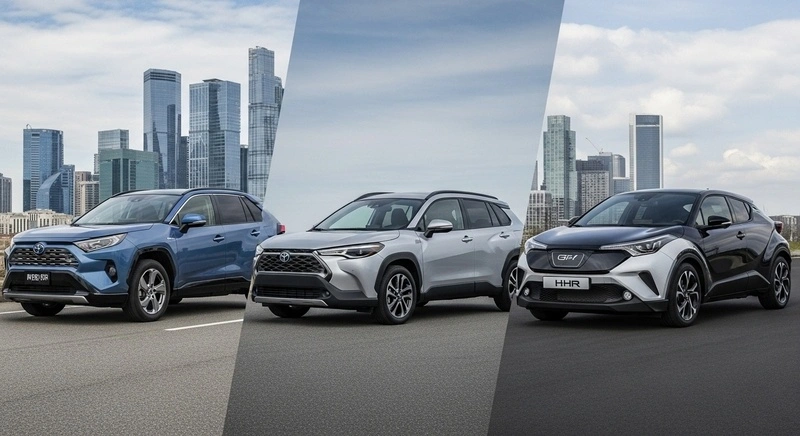
This segment has evolved rapidly. A decade ago, “compact” simply meant small. Today, it covers a wide spectrum of vehicles ranging from the agile Corolla Cross to the powerful, electric C-HR. The lines between subcompact and traditional compact SUVs have blurred, with models like the RAV4 growing in size to offer near-midsize utility.
Understanding where each model fits is crucial before you head to the dealership. If you are cross-shopping these SUVs against smaller sedans or hatchbacks, it helps to understand how they compare to traditional Toyota compact cars regarding interior volume and efficiency.
The Lineup: Detailed Model Breakdown
Toyota’s 2026 strategy divides the compact segment into three distinct tiers: the urban-focused entry level, the versatile benchmark, and the high-performance electric future. Each model serves a specific driver, and knowing the difference can save you thousands of dollars.
Toyota Corolla Cross & Hybrid: The Urban Specialist
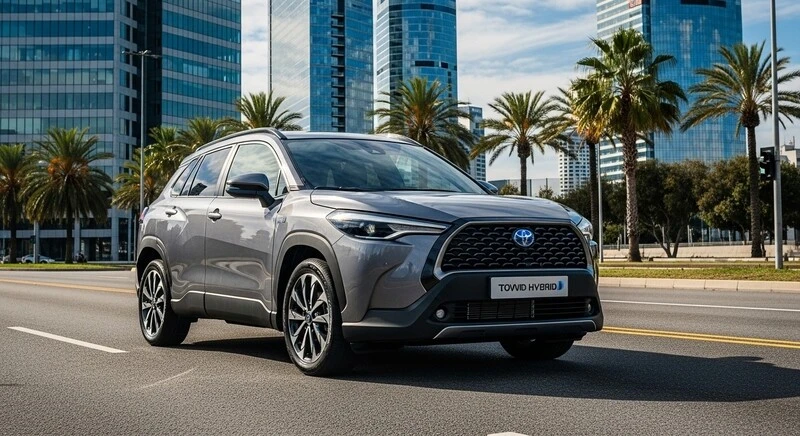
The Toyota Corolla Cross serves as the gateway to the brand’s SUV portfolio. It effectively replaces the smaller, gas-only C-HR of previous years, offering a more traditional SUV shape that prioritizes headroom and cargo practicality over swooping coupe lines.
For 2026, the Corolla Cross feels more refined. The gas model runs on a 2.0-liter four-cylinder engine producing 169 horsepower. It’s reliable and gets the job done, but the real star is the Hybrid. The hybrid powertrain bumps output to 196 horsepower and utilizes an electronic on-demand All-Wheel Drive (AWD) system.
The biggest selling point here is efficiency and size. With fuel economy reaching an EPA-estimated 42 mpg combined, it is one of the most economical vehicles in its class. At approximately 176 inches long, it is significantly easier to parallel park in downtown areas than its larger siblings. Inside, updated tech features like a 10.5-inch touchscreen and wireless Apple CarPlay make the cabin feel modern, even at a lower price point.
Toyota RAV4 (Gas & Hybrid): The Segment Benchmark
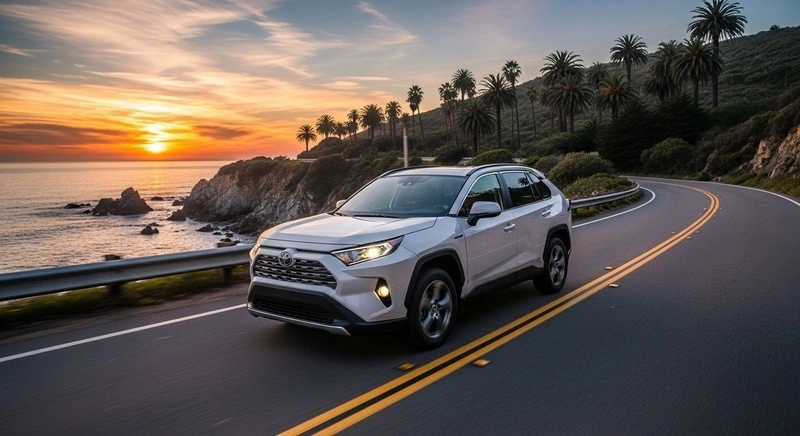
The Toyota RAV4 is not just Toyota’s best-selling SUV; it is the standard by which all other compact crossovers are measured. Now entering its sixth generation, the new RAV4 features sharper, bolder exterior lines and a completely overhauled interior.
The 2026 model introduces the “Arene” multimedia system, which is faster and more intuitive than previous iterations. Under the hood, you still have choices. The standard 2.5-liter engine offers a balance of upfront affordability and mechanical simplicity. However, the RAV4 Hybrid remains the volume leader for most families, offering a combined 219 horsepower and standard AWD.
Reliability is a core pillar of the RAV4’s reputation. Most owners can expect well over 200,000 miles of trouble-free driving with basic maintenance. However, if you are looking at certified pre-owned options to save money, be aware that not all model years were created equal. It is wise to research Toyota RAV4 years to avoid to steer clear of specific transmission or fuel system issues that plagued earlier production runs.
Toyota RAV4 Prime: The Plug-In Powerhouse
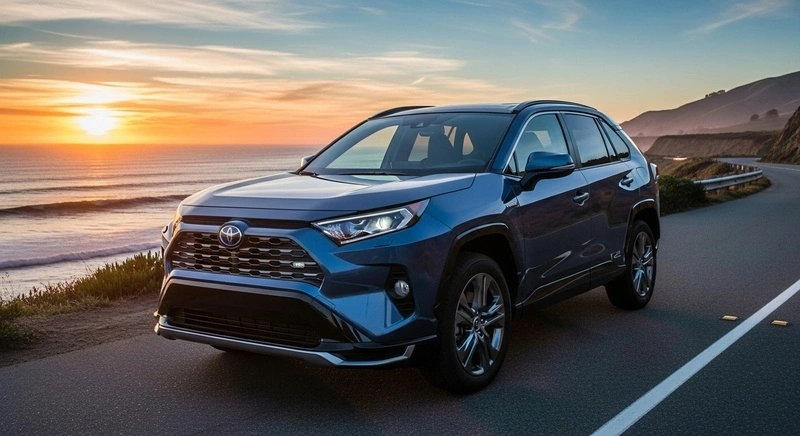
If you want the most powerful compact SUV Toyota offers without going fully electric, the RAV4 Prime is the answer. This Plug-in Hybrid Electric Vehicle (PHEV) bridges the gap between gas convenience and electric efficiency.
The Prime boasts a massive 302 horsepower, making it the second-fastest vehicle in the Toyota lineup behind the GR Supra. More importantly, it features an 18.1-kWh battery pack that delivers an EPA-estimated electric-only driving range of 42 miles. This means the average American can complete their daily commute without using a drop of gasoline, reserving the hybrid gas engine for longer road trips.
While it commands a higher price tag, the Prime qualifies for various incentives in certain regions and offers a driving experience that feels significantly more premium and quiet than the standard gas model.
Toyota C-HR BEV & bZ4X: The Electric Future
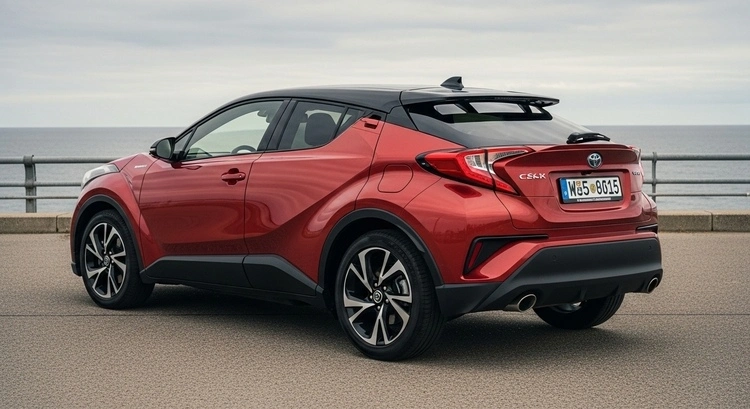
Toyota is aggressively expanding its fully electric options. The all-new 2026 C-HR BEV (Battery Electric Vehicle) reintroduces the “C-HR” nameplate but repurposes it for a high-performance electric future.
Unlike the practical Corolla Cross, the C-HR BEV focuses on style and speed. Built on the e-TNGA platform, it features a dual-motor setup delivering 338 horsepower and a 0-60 mph time of around 5 seconds. It captures the buyer who wants the sporty feel of a hot hatch with the ride height of a crossover.
For those needing a more traditional electric SUV, the bZ4X remains the alternative. It offers a more spacious, open cabin compared to the coupe-like C-HR. Both models now support DC fast charging that can replenish the battery from 10% to 80% in about 30 minutes, addressing one of the biggest hurdles for first-time EV buyers.
Comparative Analysis: Specs & Dimensions
Choosing between these models often comes down to physical space. A few inches in wheelbase length can mean the difference between fitting a rear-facing child seat comfortably or having your knees pressed against the dashboard.
Size Matters: Passenger Volume and Cargo
The physical footprint of these SUVs dictates their daily usability. The Corolla Cross is a subcompact-plus option. It offers around 24 cubic feet of cargo space behind the rear seats. This is plenty for weekly groceries or a couple of suitcases, but it can feel tight if you frequently carry four adults.
In contrast, the RAV4 pushes the upper limits of the “compact” definition. With nearly 70 cubic feet of maximum cargo space with the seats folded, it can handle flat-pack furniture, camping gear, or large dog crates with ease. However, buyers should note that on Prime and BEV models, the placement of the larger battery packs slightly raises the cargo floor, reducing vertical storage space by a small margin.
Powertrain & Efficiency Battle
While size dictates what you can carry, the powertrain determines how much you spend at the pump and how the car feels on the highway.
The Corolla Cross Hybrid is the efficiency champion for pure city driving. Its lighter weight allows the hybrid system to maximize electric-only coasting in stop-and-go traffic. However, it prioritizes fuel economy over raw power. You might find the engine works hard to merge onto fast-moving freeways, resulting in more cabin noise.
The RAV4 Hybrid and Prime offer a different experience. The larger 2.5-liter engine provides significantly more torque. This means the engine doesn’t have to rev as high to get the vehicle moving, resulting in a quieter, more confident ride. The RAV4 Prime, in particular, offers the best of both worlds: sports car acceleration when you want it and silent, gas-free commuting when you don’t.
Below is a quick comparison of the key specifications to help you visualize the differences.
| Model | Classification | Horsepower | Est. MPG / Range | Max Cargo (cu ft) |
| Corolla Cross Hybrid | Urban Compact | 196 hp | 42 mpg combined | 61.8 |
| RAV4 Hybrid | Compact SUV | 219 hp | 41 mpg combined | 69.8 |
| RAV4 Prime | Plug-in Hybrid | 302 hp | 42 miles (EV only) | 63.2 |
| C-HR BEV | Electric Sport | 338 hp | ~290 miles (Range) | N/A (Coupe) |
Technology and Safety Suites
Toyota has moved to standardize safety across the entire lineup, which is a huge win for consumers. You no longer have to buy the most expensive trim level just to get essential safety gear.
Toyota Safety Sense (TSS) Evolution
For the 2026 model year, Toyota Safety Sense 3.0 (TSS 3.0) comes standard on all these compact SUVs. This suite includes the Pre-Collision System with Pedestrian Detection, which can now detect motorcyclists and guardrails in certain conditions.
Lane Tracing Assist has also seen significant improvements. In earlier versions, the steering assist could feel “ping-pongy,” bouncing the car between lane markers. The new system tracks the center of the lane much more smoothly and naturally. Higher trims and the new electric models also gain access to advanced features like Traffic Jam Assist, which handles acceleration and braking in low-speed congestion, reducing driver fatigue.
Interior Tech & Connectivity
The days of small, grainy screens are gone. The new standard is arguably the 8-inch screen, but most buyers will want the available 10.5-inch or massive 14-inch displays found in the RAV4 and C-HR. The new operating system supports wireless Apple CarPlay and Android Auto, meaning you can leave your phone in your pocket and still access your maps and music instantly.
Voice commands have also improved. The “Hey Toyota” assistant can handle simple tasks like adjusting the climate control or finding a coffee shop without you ever taking your hands off the wheel.
Buying Guide: How to Choose the Right Model
Making the final decision often comes down to logistics rather than preference. Before you sign any paperwork, go through this simple checklist.
1. Measure Your Garage
This sounds basic, but it catches people off guard. The RAV4 is roughly 181 inches long. If you live in an older home with a short garage or tight parking spot, that extra length might be a dealbreaker. The Corolla Cross saves you about 5 inches of length, which can make a massive difference in tight urban environments.
2. Define Your “Off-Road”
If “off-road” means a gravel driveway or a snowy parking lot, the electronic AWD in the Corolla Cross or RAV4 Hybrid is perfect. It reacts instantly to wheel slip and requires no input from the driver.
However, if your adventures involve deep mud, rocky trails, or towing heavy loads, a compact unibody SUV might not be enough. You may need to look at a body-on-frame vehicle. In that case, you should consider the larger, more truck-like options, but be sure to check Toyota 4Runner years to avoid to ensure you pick a model year that matches Toyota’s legendary reliability standards.
Pricing & Market Insights
Value is subjective. The Corolla Cross is the budget king, often starting nearly $5,000–$7,000 less than a comparable RAV4. For young professionals or empty nesters, that savings is hard to ignore.
The RAV4 holds its value incredibly well. While the upfront cost is higher, you will likely get a larger percentage of that money back when you sell it five years down the road. The Prime and BEV models are the most expensive, often pushing past $40,000. However, you must factor in the fuel savings. If you have a short commute and cheap electricity rates at home, a Prime could cost you less to own monthly than a gas-only RAV4.
Reliability & Maintenance
Toyota built its empire on reliability, and these compact SUVs are generally safe bets. The hybrid components, including the battery, are typically covered by a 10-year/150,000-mile warranty, offering peace of mind for long-term owners.
Maintenance is straightforward: oil changes every 5,000 to 10,000 miles and tire rotations. The electric C-HR and bZ4X require even less maintenance since there is no engine oil, transmission fluid, or spark plugs to change.
Conclusion
The 2026 Toyota compact SUV lineup is more diverse than ever. “Compact” no longer means “compromise.”
- Choose the Corolla Cross if you want maximum value, easy parking, and excellent city fuel economy.
- Choose the RAV4 if you need a versatile family hauler that can handle road trips, camping gear, and daily abuse without breaking a sweat.
- Choose the RAV4 Prime or C-HR BEV if you are ready to embrace electric performance and want to future-proof your driveway.
Focus on how you actually drive every day, not just the trips you hope to take once a year. Match the vehicle to your reality, and you will end up with a car you love driving for years to come.