Toyota RAV4 Years to Avoid: Reliability Issues You Should Know
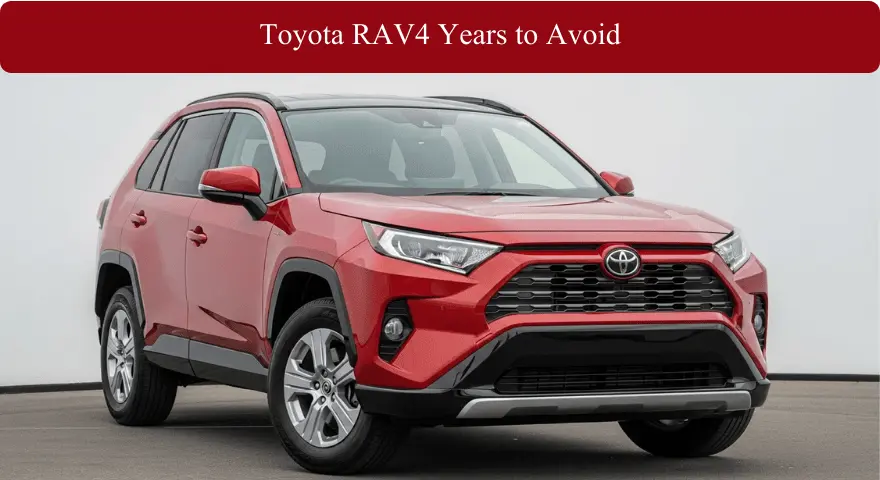
The Toyota RAV4 has a strong reputation for reliability, comfort, and resale value. That is why so many families and commuters in Canada and the U.S. search for used RAV4s first. But not every model year is a winner. Some years come with well-known problems that can turn a “safe” purchase into a money pit.
If you understand which Toyota RAV4 years to avoid, and why they are risky, you can still enjoy everything this compact SUV does well without gambling on major repairs.
Why Some Toyota RAV4 Years Are Riskier Than Others
Most RAV4s give years of trouble-free driving. The bad years stand out because they show patterns. You see the same complaints over and over again: failing transmissions, excessive oil use, steering clunks, or suspension recalls.
Data from owner complaints, recall records, and long-term road tests make those patterns clear. When a certain model year shows hundreds of similar reports for the same fault, it is a red flag. That is how we identify true “problem years,” not just one-off lemons.
For Canadian buyers, reliability by year matters even more. Winter roads, salt, and cold starts put extra stress on the engine, suspension, and rust protection. A weak rear suspension arm or an engine that already burns oil will only get worse in this environment. U.S. buyers see the same mechanical issues, but corrosion tends to be harsher in snowbelt provinces and states.
If you know which years carry higher risk, you can spend your budget on a RAV4 that is more likely to last, instead of one that already has a reputation for major faults.
Quick Answer: Toyota RAV4 Years to Avoid
Not every SUV from these years will fail, but the odds of expensive trouble are higher than normal. These are the main Toyota RAV4 years to avoid or approach with extra caution:
High Risk Problem Years
2001–2003: ECM and Transmission Failures
These early 2000s RAV4s are known for defective Engine Control Modules (ECMs). When the ECM fails, it sends wrong signals to the automatic transmission. That leads to harsh shifts, gear slipping, and, in many cases, full transmission failure. Repairing both the ECM and the gearbox can cost more than the vehicle is worth.
2006–2008: Oil Consumption, Steering, and Electrical Issues
RAV4s with the 2.4L four-cylinder from this period often burn oil at a high rate because of piston ring problems. Some owners add litres of oil between changes just to keep the engine alive. On top of that, many drivers report steering clunks, occasional steering stiffness, and electrical faults that affect power windows and warning lights.
2009–2012: Rear Suspension Recalls and Drivetrain Complaints
These years are roomy and comfortable, but the rear suspension arms were the subject of serious recalls. If the recall work was done poorly or not completed, the arms can loosen or corrode, which affects alignment and stability. There are also reports of drivetrain noise, leaks, and premature wear in differentials and axles.
2013–2014: Transmission Hesitation and Rough Shifting
With the newer six-speed automatic, some owners noticed slow response when pulling away, delayed downshifts, and a jerky feel at certain speeds. Software updates helped some vehicles, but others still feel hesitant, especially in cold weather.
2000–2006 Toyota RAV4
The first two generations of the RAV4 are simple and compact, but they are not trouble-free. Many owners of 2000–2006 models report that the automatic transmission does not shift smoothly. Instead of sliding into gear, it can “snatch” or bang into place, especially when you accelerate gently or slow down in traffic.
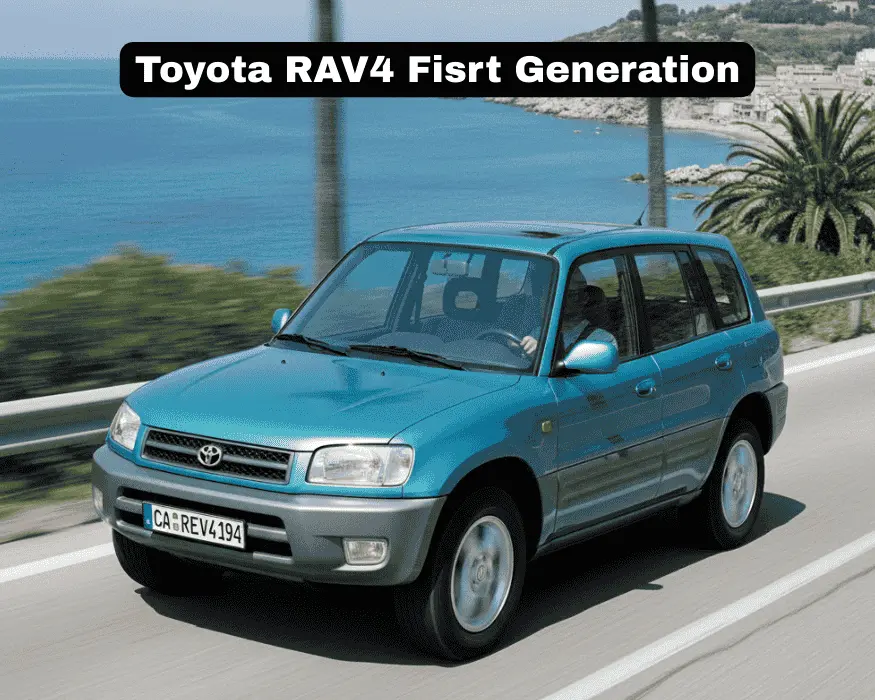
This kind of behaviour is more than just annoying. Harsh shifts put extra stress on internal transmission parts. Over time, that extra shock can shorten the life of the gearbox and raise your chances of a costly rebuild.
How These Early Transmissions Misbehave
When a 2000–2006 RAV4 has transmission issues, you often feel:
Common Driving Symptoms
You may notice a delay before the gear engages, followed by a sudden jolt. In stop-and-go traffic, the SUV can lurch forward as it changes from first to second gear. On the highway, it might “hunt” between gears instead of holding a steady ratio. Any of these signs should make you cautious on a test drive.
2001–2003 Toyota RAV4
The 2001–2003 RAV4 is one of the most widely recommended Toyota RAV4 years to avoid. The defective Engine Control Module (ECM) in these models often sends confusing signals to the automatic transmission. That is why so many owners report slipping, harsh shifts, or a delay of one or two seconds before the SUV actually moves.
How a Bad ECM Creates a Bad Gearbox
When the ECM mis-commands the transmission over thousands of kilometres, it wears out clutches and internal components.
Why Repairs Are So Expensive
Fixing only the transmission rarely solves the root cause. Many drivers who replaced the gearbox but kept the old ECM saw the same problems return. The correct repair usually means a new or updated ECM plus a rebuilt or replaced transmission, which can cost several thousand dollars. On an older compact SUV, that often does not make financial sense.
2006–2008 Toyota RAV4
The 2006–2008 RAV4 looks modern and can feel solid on a short drive, but these years have two major strikes against them: oil consumption and steering issues.
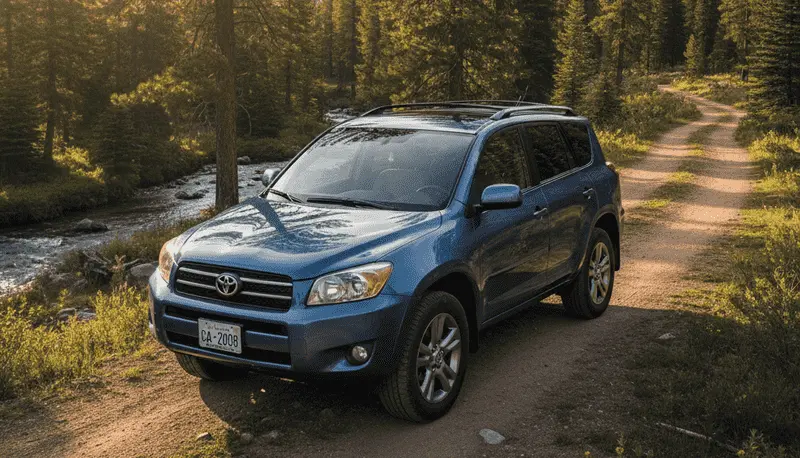
2.4L Engine with Excessive Oil Use
Many RAV4s from these years use the 2.4-litre 2AZ-FE four-cylinder engine. A piston ring defect means some engines burn oil at a rapid rate.
What Owners Typically See
Drivers often find they need to add a litre or more of oil every 1,500–3,000 km, even when there are no external leaks. If the owner forgets to top up, the engine can run low on oil, wear out early, or even fail completely. For buyers who want a low-stress SUV, constantly checking and topping up oil is a major drawback.
Steering Clunks, Stiffness, and Safety
Alongside engine problems, many owners of 2006–2008 RAV4s complain about clunking or popping noises from the steering column.
Why Steering Issues Matter
At first, the issue may be only a dull knock when you turn the wheel at low speed. In worse cases, the wheel can feel stiff or “grabby” mid-turn. On wet or icy roads, that lack of smooth control can hurt driver confidence and increase risk, especially for Canadian drivers dealing with winter conditions.
2007–2008 Toyota RAV4
The 2007 and 2008 RAV4 carry over most of the same design and powertrain from 2006. Toyota did make some refinements, but new issues appeared.
Many owners report early water pump failures around the 100,000 km mark. Coolant starts to leak from the pump seals, leaving spots on the driveway or a sweet smell in the engine bay.
Overheating Risk if You Ignore the Leak
If the coolant level drops too far, the engine can overheat. Overheating even once can warp cylinder heads or damage gaskets, leading to very expensive repairs. Replacing the water pump is not the end of the world, but when you combine it with steering shaft replacements and regular maintenance, these years become less attractive than more reliable RAV4 model years—or even other Toyota compact cars you might consider if you decide a smaller vehicle fits your life better.
2009–2012 Toyota RAV4
These years are roomy and comfortable, but the rear suspension design caused real trouble. The rear suspension arms were recalled more than once because the adjustment hardware could loosen or corrode.
What Owners Report
Drivers describe unstable handling, drifting on the highway, and uneven tire wear. In worst cases, a rear arm can fail, which can cause a sudden loss of control. Some recall fixes used epoxy and thread lock instead of full replacement, so you must check what was actually done on any 2009–2012 RAV4 you view.
2013–2014 Toyota RAV4
With the 2013 redesign, Toyota added a six-speed automatic that promised better fuel economy. Many owners, however, noticed hesitation from a stop and jerky gear changes.
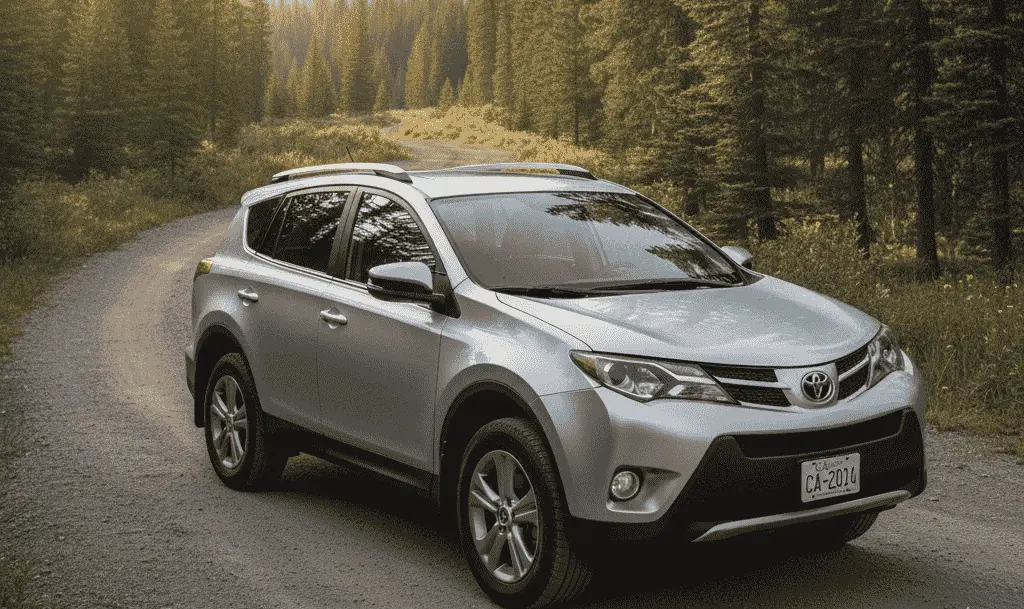
How It Feels on the Road
You press the gas, but the SUV pauses before moving. At other times it drops a gear with a sharp jolt. This is often most obvious when merging or passing on the highway. Software updates help some vehicles, but others never feel fully smooth, especially in cold climates. A long test drive is the only way to know if you can live with the behaviour.
2019–2021 and Some Hybrids
The fifth-generation RAV4 looks sharp and scores well on safety, but early years brought new issues. Some owners of 2019–2021 models report roof rack leaks that let water drip into the headliner and pillars. Over time, this can lead to mould, stained trim, and even electrical faults.
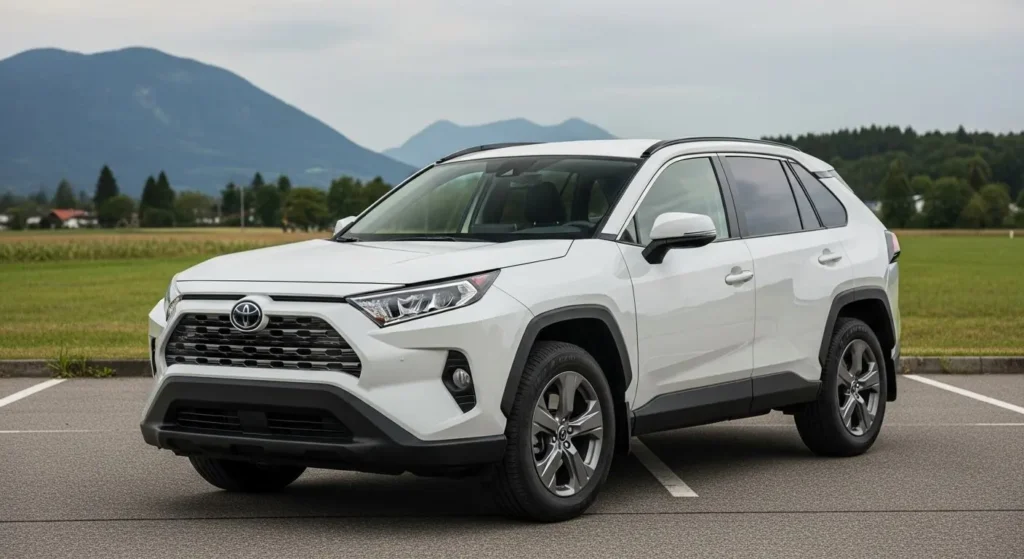
On certain 2019 models, fuel pump and cooling system faults caused surging idle, warning messages, and overheating. RAV4 Hybrid models have also seen moisture-related corrosion on high-voltage cables in some cases, which is expensive to fix.
Better Toyota RAV4 Years You Can Trust
Not all news is bad. Many owners see excellent reliability from mid-2010s RAV4s, especially 2015–2018, and from newer models that have had recall work completed. These years usually show fewer serious complaints, more modern safety tech, and better corrosion protection. With clean records and regular maintenance, they can handle high mileage and harsh winters.
Common RAV4 Problems in a Nutshell
Across all the “bad” years, the same themes return:
- Transmission hesitation, harsh shifts, or failure
- ECM faults in early 2000s models
- Excessive oil consumption in 2.4L engines
- Steering clunks, water pump leaks, and rear suspension arm failures
- Electrical glitches, warning lights, and in rare cases, fire risk
Knowing these patterns makes it easier to ask the right questions and read service records with a sharp eye.
Buying Checklist for a Used Toyota RAV4
Before you buy any used RAV4, always:
- Check maintenance records for regular oil changes and major repairs
- Confirm that all recalls and service campaigns are complete
- Inspect the underbody and suspension for rust and leaks
- Take a long test drive in city and highway conditions
- Have a trusted mechanic perform a pre-purchase inspection
Alternatives if a RAV4 Isn’t the Right Fit
If you decide you do not need an SUV, you might prefer one of Toyota’s smaller cars. Reliable hatchbacks and sedans can still handle bad weather with the right tires and often cost less to run.
Conclusion
The Toyota RAV4 has earned its place as a dependable, practical SUV, but some years carry higher risk than others. Early 2000s models with ECM and transmission failures, mid-2000s engines that burn oil, and later years with suspension, leak, or fuel issues are the main Toyota RAV4 years to avoid.
If you focus on strong maintenance history, complete recall work, and a careful inspection, you can still find a RAV4 that will serve you well for years—and avoid the expensive surprises that give these problem years their reputation.