How to Buy a Classic Muscle Car: Checklist, Red Flags, and Real Costs
Nothing beats the sound of a V8 engine or the nostalgia of a faithfully restored 70s Chevrolet Corvette. For many car enthusiasts, a classic muscle car is their holy grail car, the one they’ve always dreamt of owning. Deciding to invest in classic muscle cars is a major financial decision, especially for collectors looking for a passion project.
Demand for muscle cars remains higher than ever as younger collectors begin to turn their focus to American-made high-performance coupes and sedans, especially those from the late 60s through to the early 80s and 90s. Limited production numbers for popular models like the 1969 Dodge Charger Daytona and 1969 Ford Mustang Boss 429 make them even more collectible.
The cost of a classic muscle car varies depending on originality, documentation, and restoration quality. The wrong purchase, even one that seems like a good deal initially, can become expensive very quickly.
Many car collectors purchase their vehicles out of state due to inventory shortages, making careful inspections and working with an auto transport service a crucial part of the buying process. Below, this guide covers what to expect, the red flags to look out for, and the real cost of owning a classic muscle car.
What to Check Before Buying a Classic Muscle Car
Appearances can be misleading, especially when you’re shopping for a car online or from another state. Classic cars often appear in better condition in their photos than in person. Most car collectors will purchase muscle cars remotely through specialist dealers and auction houses, arranging a final inspection before booking an auto transport service to bring the vehicle to them.
Most classic cars on the market today fall into three main categories: survivor cars, restomods, and fully restored originals. A survivor car is a classic vehicle that hasn’t been modified or altered in any way. Most classic cars are “restomods”, meaning that they’ve been modified with modern parts, but maintain their vintage look. Ultimately, fully restored originals are difficult to find and among the most expensive classic muscle cars.
It’s important to do your due diligence when buying a classic car, even when you’re shopping through a legitimate channel. The first step is to check the car’s VIN verification, checking that the numbers match for the engine, transmission, and chassis. Rust is one of the main concerns when buying an older car, so you’ll want to pay close attention to the trunk, quarter panels, frame rails, and floor pans.
Most classic muscle cars will already have gone through some form of restoration work. Not all restoration projects yield good results, and you may need to budget for fixing mistakes made by a previous owner. Uneven panel gaps, overspray, and an incorrect badge or trim are things that serious collectors will want to immediately rectify.
A basic mechanical inspection is also essential when buying a classic car. Test the behavior of the car during a cold start and look out for issues like suspension noise and transmission shifting.
Common Red Flags That Can Turn a Dream Car Into a Money Pit
It’s easy to get distracted when buying your dream car, especially if you’ve been searching for a hard-to-find model. While there are plenty of components to look out for, there are some aspects that should immediately be a red flag. Missing documentation is a cause for concern, and fresh paint is often a common sign that the current owner is hiding corrosion in the car.
If a seller is claiming that the engine is the original, always double-check, as other engines can often be passed off as the real thing. As a general rule of thumb, if the price is “too good to be true”, it usually is.
Most car collectors will set some of their budget aside for necessary repairs. Electrical problems in classic cars often cause restoration headaches for collectors, even if work has already been carried out on them. Hidden rush can also be expensive due to the scarcity of replacement panels.
Once you’ve found the right classic car, your focus should shift to protecting it during transit, especially if you’re buying from an auction house across the country or a private collector in another state.
The Real Cost of Owning Classic Muscle Cars
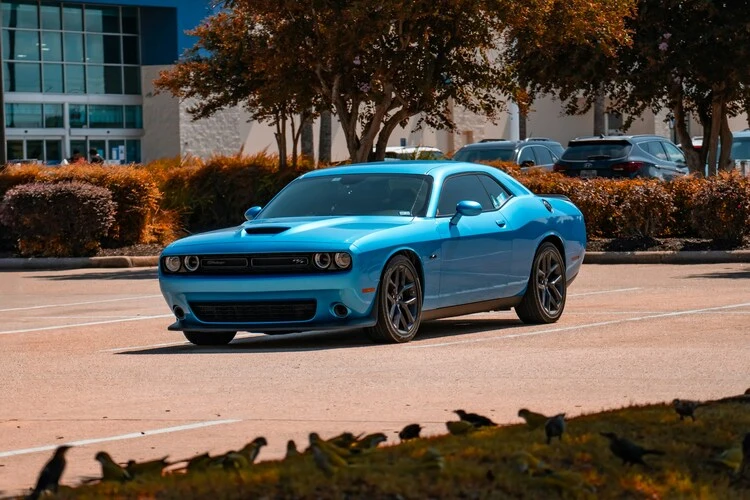
The sticker price for your muscle car is only part of the cost of owning a classic vehicle. Long-term ownership is expensive, especially as older V8 engines are rarely fuel-efficient. Classic cars typically have higher insurance costs with specialist collector car policies and mileage restrictions.
Sourcing original parts is one of the most expensive parts of owning a classic car, while carburetor tuning and older suspension systems make restoration and maintenance more complicated. These costs can be unpredictable and difficult to budget for, both for show cars and those you intend to drive regularly.
Car buyers often forget to factor in costs like inspections, initial repairs, storage, and auto transport service fees into their budget. These factors all add to the real cost of buying a classic muscle car, with additional costs for maintaining them long-term. Even “entry-level” classic cars, like a Ford Mustang or Dodge Challenger, have substantial annual upkeep costs.
How Open and Enclosed Shipping Protects Your New Purchase
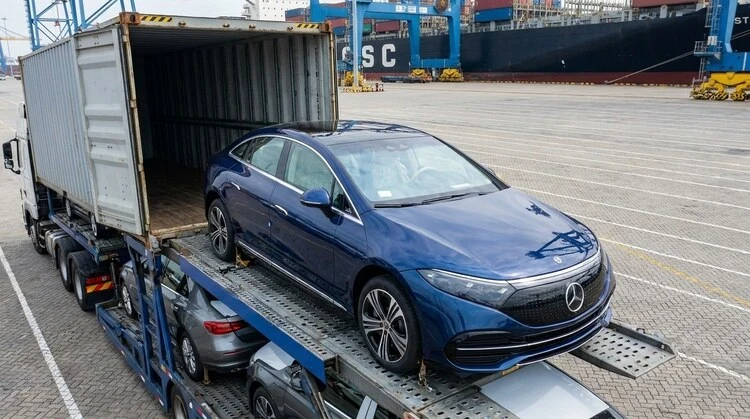
The first major decision you have to make when buying a muscle car is choosing how to transport it to your home or storage unit. Auto transport services are an important way to protect your investment. You can choose between an open carrier shipping method or enclosed trailer transportation.
Most classic car collectors will opt for enclosed shipping methods for rare and high-value muscle cars, especially for those that are freshly restored or intended to be used as show vehicles. Enclosed transport reduces exposure to road debris and offers extra security and protection during long-distance shipping. While open transport is more affordable, enclosed transport is an investment that reduces the risk of moving your vehicle.
Car shipping is the final step to buying a classic muscle car. It’s best to consider it as part of the buying process, rather than an added step. Buying and owning classic muscle cars is not a cheap hobby, but for many car enthusiasts, it’s a way of life. Understanding what red flags to look out for and setting a realistic budget are key to buying a classic muscle car.