Bought a Car Out of State? Here’s How to Get It Home Safely
Sometimes the right car just isn’t local. Maybe it’s a trim level your area dealers never stock, a low-mileage unit that happened to surface three states away, or simply a better deal than anything within driving distance. Buying out of state has gotten a lot more common as buyers shop nationally instead of settling for whatever’s on the nearest lot — but once the deal is done, you’re left with one practical question: how do you actually get the car home?
Here’s what you need to know to make that part just as smooth as the purchase itself.
Option One: Drive It Home Yourself
This is the default a lot of buyers reach for, and sometimes it makes sense — especially for shorter distances or if you genuinely want the trip. Before you commit to driving, though, there are a few things worth sorting out first:
- Temporary registration. Most states require a temp tag or transit permit to legally drive a newly purchased vehicle, especially if it isn’t registered in your name yet. Dealerships can usually issue one on the spot; private sellers often can’t, so you’ll need to arrange it yourself.
- Insurance. Your policy needs to cover the vehicle before you drive it anywhere, even just off the lot. A quick call to your insurer before pickup day saves a lot of headaches.
- A proper inspection. If you haven’t seen the car in person, get a pre-purchase inspection done locally before you start a multi-hundred-mile drive in it. Small issues are annoying at home; they’re a real problem 500 miles from your mechanic.
Driving works fine for a lot of buyers. But for longer distances, non-running vehicles, or anything you’d rather not put extra mileage on right out of the gate, there’s a better option.
Option Two: Have It Shipped
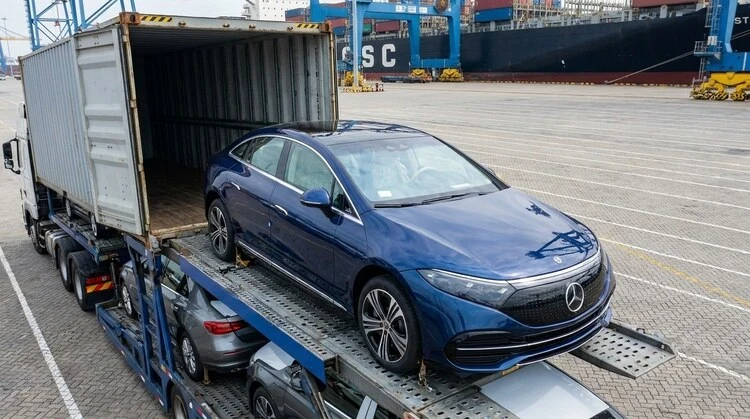
Professional auto transport has become the go-to choice for out-of-state purchases, and for good reason. Instead of burning a weekend (or more) behind the wheel, a carrier picks the vehicle up from the seller’s location and delivers it to your door.
A few things to know if you go this route:
Open vs. enclosed. Open transport — the same type of carrier you see hauling new cars to dealerships — is the standard, affordable option and works well for most everyday vehicles. If you’ve bought something higher-value or low-mileage, enclosed transport adds extra protection from weather and road debris for a bit more cost.
Book early. The sooner you lock in transport after the deal closes, the more scheduling flexibility and better pricing you’ll typically get, especially if you’re buying during a busy season.
Insurance coverage matters. A reputable open car transport service will have your vehicle fully insured for the entire trip, so it’s worth confirming coverage details before booking rather than after something goes wrong.
The pickup and delivery inspection. At both ends, do a full walk-around with the driver and note the vehicle’s condition on the Bill of Lading. It only takes a few minutes and it’s your protection if anything shifts during transit.
Which One’s Right for You?
If the car is a few hours away and you’re comfortable with the drive, driving it home can be the simplest option. But once you’re talking about several states, a tight schedule, or a vehicle you’d rather not put extra miles and road exposure on, shipping is usually the smarter move — you skip the wear, the gas, the hotel nights, and the risk of something going wrong on an unfamiliar highway.
Either way, the goal is the same: get your new car home in exactly the condition you bought it in. A little planning on the front end makes sure that’s exactly what happens.