Totaled Cars Explained: When Does an Accident Lead to a Total Loss in California?
Totaled Cars Explained: When Does an Accident Lead to a Total Loss in California?
Whether you’re shopping for a used vehicle or have recently been in an accident, understanding what makes a car “totaled” is crucial knowledge for California drivers. The term gets thrown around frequently, but the actual criteria for declaring a vehicle a total loss involve specific calculations and regulations that many people don’t fully understand.
What Does “Totaled” Actually Mean?
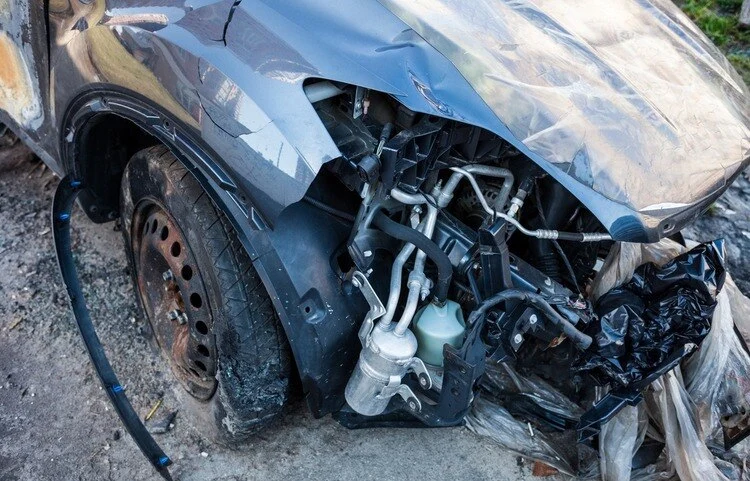
In California, a vehicle becomes what’s officially known as a “constructive total loss” when the cost to repair it exceeds its actual cash value before the accident. According to the California Department of Motor Vehicles, this designation applies when a vehicle has been wrecked, destroyed, or damaged to such an extent that the owner or insurance company considers it uneconomical to repair.
The decision isn’t always black and white. Insurance companies use a formula that weighs the repair costs against the vehicle’s pre-accident value, factoring in depreciation, mileage, and overall condition. Most insurers in California declare a total loss when repair costs reach 75% to 80% of the vehicle’s value, though this threshold can vary by company.
How Insurance Companies Calculate Total Loss
When an accident occurs, insurance adjusters assess the damage and obtain repair estimates from body shops. They simultaneously determine the vehicle’s actual cash value (ACV) by researching comparable vehicles in the local market. This involves looking at similar makes, models, years, and condition levels to establish a fair market value.
If the repair estimate plus the salvage value of the damaged vehicle exceeds the ACV, the insurer will typically declare it a total loss. California law requires that total loss settlements include taxes, license fees, and transfer fees, and must reflect the value of a comparable vehicle of like kind and quality. This protection ensures vehicle owners receive fair compensation to replace their vehicle.
The Legal and Administrative Process
Once a vehicle is deemed a total loss, California has strict requirements for how it must be handled. According to the California Department of Insurance, when an insurance company makes a total loss settlement, it must forward the properly endorsed certificate of ownership, license plates, and a fee to the DMV within 10 days of settling the loss.
The vehicle receives a salvage title, which permanently marks it in state records. This designation protects future buyers by disclosing the vehicle’s history. If someone later rebuilds the vehicle and wants to register it, they must go through California’s rigorous inspection process to obtain a “revived salvage vehicle” title.
Understanding your rights during this process is essential. When accidents result in injuries or disputes over vehicle valuation, California car accident attorneys from the Law Office of Daniel Deng can help navigate insurance claims and ensure proper compensation for both vehicle damage and personal injuries.
When Total Loss Affects Newer Vehicles
Modern vehicles present unique challenges in total loss calculations. Today’s cars are packed with expensive technology, advanced driver assistance systems, sophisticated infotainment units, and complex sensor arrays. Even moderate collision damage can destroy these systems, quickly pushing repair costs beyond the total loss threshold.
A fender bender that seems minor might total a newer vehicle if it damages radar sensors, cameras, or structural components that house safety equipment. According to data from the National Highway Traffic Safety Administration, the economic impact of vehicle crashes in the United States reaches hundreds of billions of dollars annually, with property damage representing a substantial portion of those costs.
Your Options After a Total Loss Declaration
If your vehicle is declared a total loss, you have several options. Most owners accept the insurance settlement and use the funds toward a replacement vehicle. However, you can challenge the valuation if you believe it’s too low by providing evidence of your vehicle’s condition and comparable sales data.
Some owners choose to keep their totaled vehicle by retaining the salvage. The insurer deducts the salvage value from your settlement, and you receive the difference. This option makes sense if the vehicle has sentimental value or if you plan to repair it yourself, though you’ll need to navigate California’s salvage title requirements.
Another consideration is gap insurance. If you’re still making payments on a totaled vehicle, you might owe more than the insurance payout. Gap coverage bridges this difference, protecting you from having to pay off a loan for a vehicle you can no longer drive.
Understanding the Bigger Picture
The total loss process exists to protect consumers and ensure vehicles on California roads meet safety standards. While having your car declared totaled can be frustrating, especially if you’ve maintained it well, these regulations prevent unsafe, heavily damaged vehicles from returning to the road without proper inspection and disclosure.
For anyone dealing with the aftermath of a significant accident, understanding both the insurance process and your legal options helps you make informed decisions. Whether you’re evaluating a potential used car purchase with a salvage history or managing the claims process after your own accident, knowing how California defines and handles total loss vehicles puts you in a stronger position to protect your interests.