Why Monthly Car Payments Rarely Reflect the True Cost of Ownership
Visit a car dealership for purchase, and you’ll likely be asked what monthly payment you can afford. It sounds reasonable, since a monthly payment determines whether a vehicle fits your budget today. However, the problem is that it says very little about what that vehicle will actually cost over the next five or seven years.
Vehicle ownership is a continuous financial commitment, and the two are not synonymous. Buyers who concentrate on one feature and ignore the other are likely to end up with the car they thought was a good deal when they signed the papers, only to discover it is a much more costly proposition as soon as they take the keys.
Affordability Changes After You Leave the Dealership
The purchase is the only ownership expense you negotiate once. Almost everything else evolves with time.
- Premiums may go up following an accident or a move
- Fuel prices fluctuate throughout the year
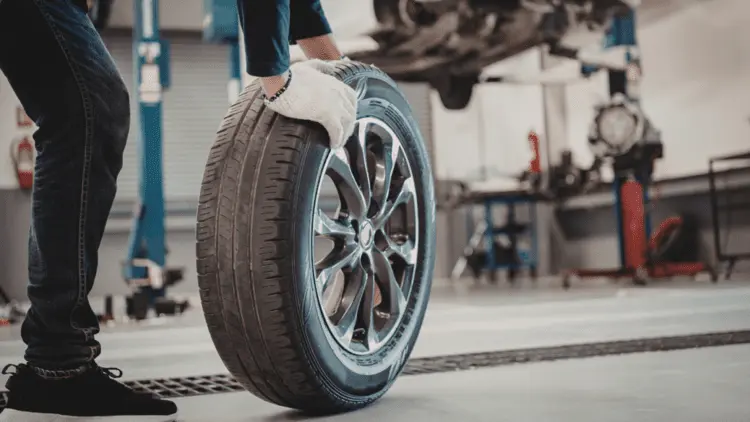
- Tires wear out
- Batteries fail
- Brakes need replacing
- Unexpected repairs eventually become part of the equation
These costs rarely arrive together, which makes them easy to underestimate. Instead of one large expense, ownership becomes a series of smaller financial decisions that collectively exceed what many buyers planned for.
Another factor buyers frequently overlook is time. Every additional year you own a vehicle creates new maintenance milestones, from suspension components and cooling systems to belts and hoses. These expenses are predictable even if their exact timing is not. Looking beyond the first year of ownership provides a more realistic picture of affordability than focusing solely on the payment due each month.
Some Vehicles Are Expensive in Ways You Don’t Notice Immediately
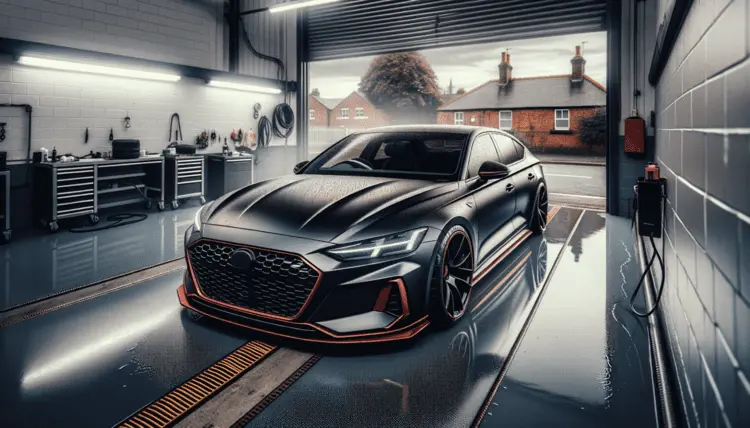
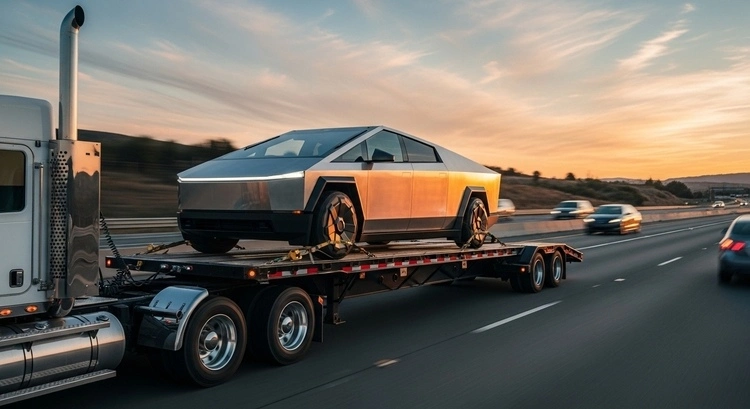
Design has an impact on more than just the look of a vehicle. A car that looks like a tank delivers might give the road presence that some drivers seek, but its size often comes with a price. Compared to more practical options, heavier vehicles may:
- Use more fuel
- Need larger tires
- Have higher insurance
- Are expensive to repair
Those costs are amortized over the years of ownership, so they’re not as apparent as the monthly payment that initially attracted the buyer.
Small Decisions Have Long-Term Financial Value
Major repairs do not determine ownership costs. The value of a vehicle later depends on routine maintenance, preventative servicing and protective accessories. Take Tesla model Y floor mats as an example. They are easy to install, can prolong the life of the car’s interior, and make it more appealing to potential buyers. The impact of these decisions seldom seem meaningful at the time but helps reduce the total cost of ownership.
Driving Habits Can Be More Expensive Than Mechanical Problems
Many ownership costs originate behind the wheel rather than under the hood. Aggressive acceleration shortens tire life. Hard braking wears brakes. Ignoring tire pressure reduces fuel efficiency while accelerating tread deterioration.
Weather adds an additional financial risk. Driving with worn tires during heavy rainfall can lead to hydroplaning accidents. As a result, the owner is stuck with costly repairs and insurance claims. Preventative maintenance is usually much cheaper than being stuck with avoidable damage.
Think Beyond the Payment
A low monthly payment is not necessarily a sign of a smart purchase. It is simply one number within a much larger financial picture. The better question is not whether you can afford this payment; it’s how much the car will cost you from when you purchase it to when you sell it. Buyers who have that attitude will be much more likely to select vehicles that will still be within their means many years later.
Endnote
The most economical vehicle isn’t always the one that offers the lowest loan installment. It’s the one that provides consistent, controllable expenses throughout its lifespan.