Who Is Liable in a Drunk Driving Wrongful Death Case?
Around 37 people in one day die in crashes while impaired by alcohol, totaling almost 13,500 fatalities each year, as the National Safety Council reports. California suffered higher injury rates, with Los Angeles County showing 589 alcohol-related injuries and Riverside County 277.
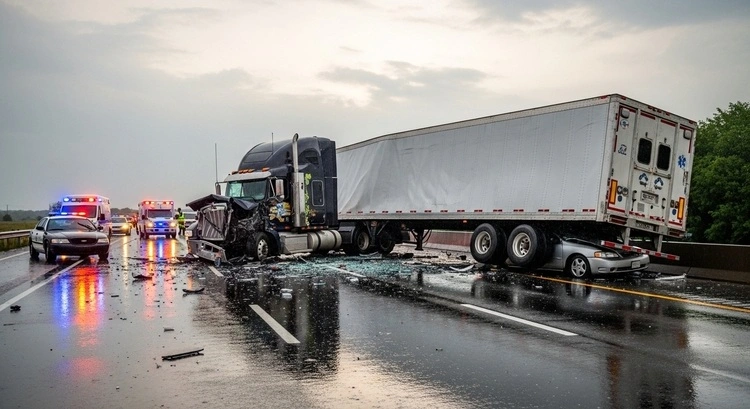
A wrongful death caused by a drunk driver happens when an accident caused by intoxication leads to the death of the victim. This situation makes it possible for legal action to be taken by the victim’s surviving family members for damages.
In these matters, general liability and responsibility belong to the intoxicated driver. Still, there may be some cases in which other parties may face liability, such as the bartender or business establishments for serving alcohol under the “dram shop” policy. One’s employer could also be sued for negligence in failing to supervise the driver performing his or her job at that time.
These cases are dual in nature, with criminal DUI charges lodged against the driver and a civil suit for wrongful death initiated in the civil court.
It is important that liability be determined since fault identification contributes to the collection of damages for medical costs, funeral expenses, dislocated income, and pain and suffering. Let us find out who might be liable in your DUI case.
The Wrongful Death Framework
If the death of a family member is caused by another’s negligence, the family members of the deceased deserve justice. Wrongful death lawsuits are distinguished by the manner in which they serve as legal tools of the estate. In some cases, it also provides for loss of companionship, which is usually an option for a surviving spouse.
In drunk driving cases, the driver’s conduct typically supports a claim of negligence per se in many jurisdictions. Impaired vehicle operation violates traffic safety laws, which establish the standard duty of care without needing extra evidence of improper behavior.
According to a Newport Beach wrongful death lawyer Greg Bentley, for a death to be considered wrongful in the legal sense, the person or party liable for it must have an established duty of care to preserve the safety of those around them. The liable party must also be proven to have breached their duty of care. The deceased person must have died as a direct result of the liable party’s negligence or wrongful actions and the deceased person’s death was preventable if the liable party had exercised reasonable care.
Wrongful death claims exist as separate legal actions from any criminal prosecution. A criminal case the government initiates results in fines together with license revocation and imprisonment.
Dram Shop Liability: Commercial Alcohol Vendors
Dram shop laws create civil liability for all commercial establishments that serve alcoholic beverages to their customers in bars, restaurants, nightclubs, liquor stores and convenience stores. Liability arises when their alcohol service to customers causes third-party injuries and deaths through drunk driving incidents.
Most states recognize some form of dram shop liability either through statutory law or through judicial decisions yet different legal jurisdictions establish different levels of liability.
Winning a dram shop case typically requires more than evidence of prior sale and service of alcohol in the bar where the person who caused the injury drank. The elements to be proven in harm cases with the most serious injury are illegal sale or service, causation, and damages.
Each state establishes its distinct requirements. Some states require the patron to have been visibly intoxicated at the time of service, whereas others apply a looser standard. Know that all dram shop states impose liability for serving underage customers. For minors, the standard of proof required for liability is far less stringent than that required for serving adult customers.
Social Host Liability: Private Parties and Events
Social host liability extends to people who provide alcohol for social events just like it does for commercial establishments. The range of social host liability is more limited and its application is less consistent when compared to dram shop liability. Social host liability exists in many states only when the intoxicated individual is underage.
The legal responsibility for serving alcohol to guests at private events varies according to different state regulations. The majority of states that recognize social host liability require proof that the host knew about the guest’s intoxication level and their intention to drive.
Social host liability exists in different forms across states, which means that a legal claim that works in one area will not function in another region. In a state recognizing it, the family pursuing a wrongful death claim may include the social host as a defendant alongside the driver.
Employer Liability: Respondeat Superior and Negligent Entrustment
The employer of a drunk driver might be held responsible if the driver was on the job when the fatal accident occurred. The situation applies most directly when the driver executed their job obligations through delivery work and movement between different work locations and other work activities at the moment of the accident.
Negligent entrustment operates as a separate legal principle that exists when a vehicle owner or employer gives permission to an unqualified driver to operate a company vehicle or personal vehicle.
An employer or vehicle owner who lets a driver with a record of impaired driving access a vehicle even after learning about that driver’s history will face liability since it is their decision to allow the driver who led to a wrongful death situation.
Punitive Damages in Drunk Driving Death Cases
Drunk driving wrongful death lawsuits represent a special category that provides better chances for punitive damages than typical negligence lawsuits. The purpose of punitive damages, which differ from compensatory damages, is to punish actions that demonstrate willful intent to harm others.
The legal system recognizes impaired drivers who operate vehicles as having reached this particular legal threshold. The requirements for punitive damages and the limitations for proof that need to be established differ among states. Driving under the influence creates a stronger foundation for punitive damages than most typical accident situations.
Evidence and Documenting the Claim
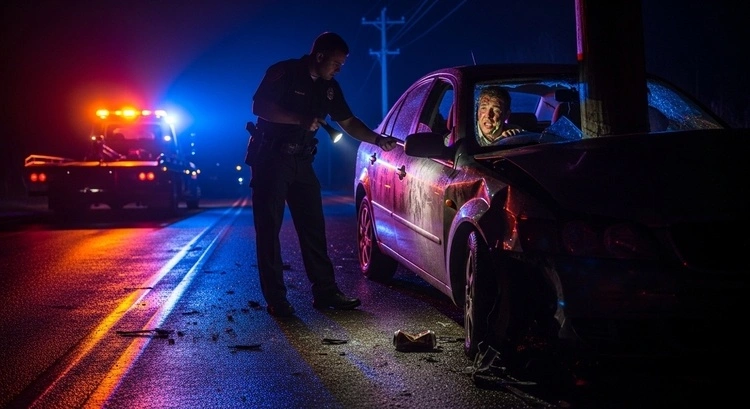
The police report and the driver’s blood alcohol content during the time of the crash are the two most important instances of proof in the drunk driving wrongful death cases. Events will be established through witness accounts, bar surveillance footage, and the transactions of alcohol sales to the driver.
After someone dies, immediate attention must be given to preserve any physical evidence. One should have services from a lawyer specializing in the state’s legalities.
Having a victim of death in the drunk-driving incident provides for a huge number of defendants, all with distinct liabilities that they owe. Typically, drunk driving speaks volumes in terms of obvious willful misconduct, suggesting the appropriateness of punitive damages. The specific rules that control each legal theory differ significantly among different states.