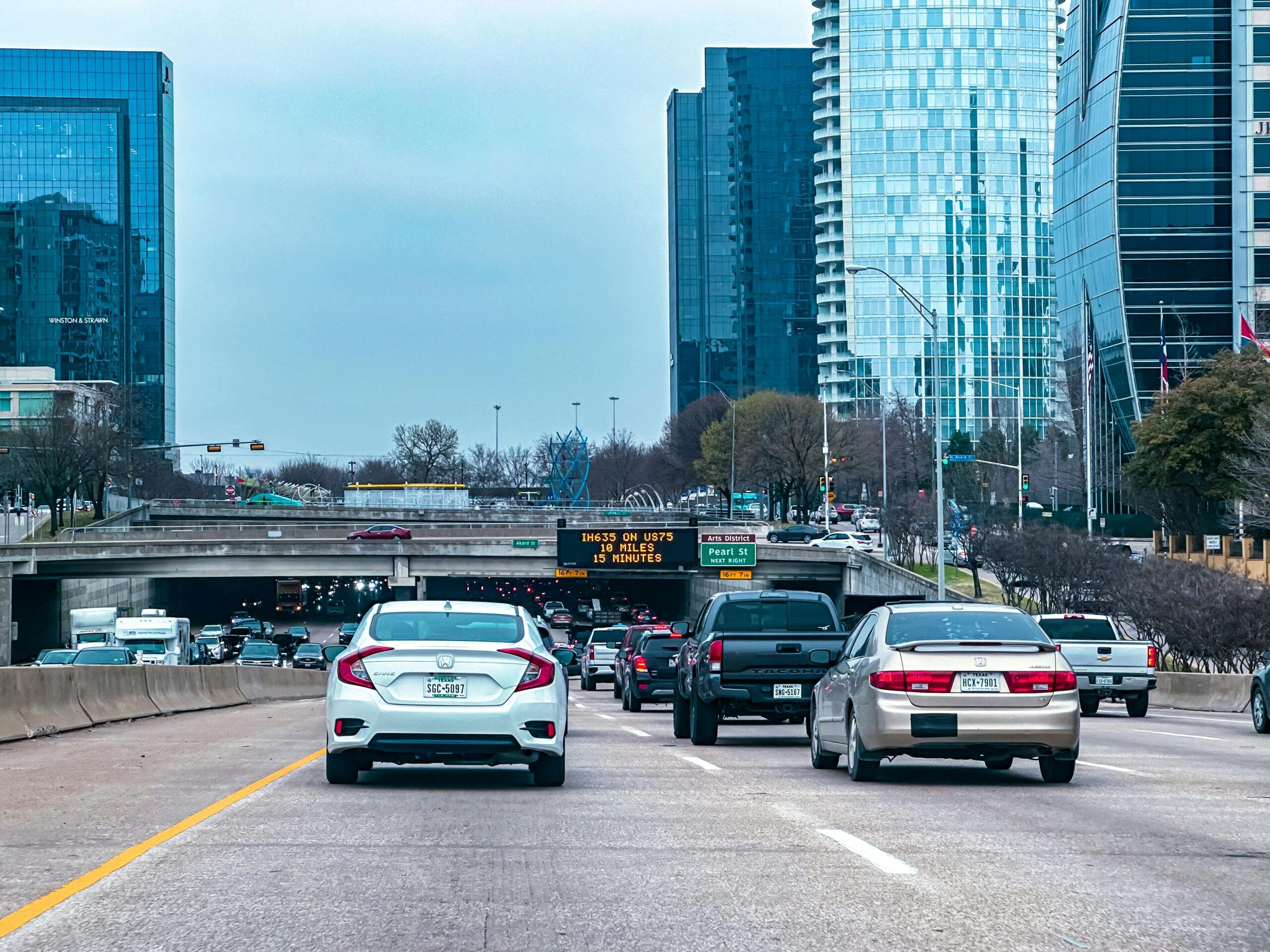
Benefits of Knowing Peak Crash Times in Dallas, TX
Knowing when most accidents happen in a busy city like Dallas is not just statistical, it can be pivotal for safety, planning, and decision-making for various stakeholders, including individuals, business entities, and public institutions. Peak crash times are also related to busy traffic, distraction, lack of visibility and other factors that can contribute to an accident and make roads extremely dangerous.
Being aware of these patterns can help drivers take precautions to avoid car collisions and stay safe on the road.
1. Helps Plan Safer Travel Routes
Identifying peak risk times helps individuals choose safer travel routes and modes of transportation. This will greatly benefit people who use the same routes daily. This makes safe route planning especially important for daily commuters.
2. Reduces Risk of Being Involved in Accidents
Information about when accidents usually happen will be a vital factor in ensuring that drivers drive safely. Informed drivers are more likely to exercise caution when they are on the road.
This may involve maintaining adequate distance from other cars and exercising extra caution. It will greatly reduce their risk of an accident.
3. Assists Insurance Risk Assessment
Insurance companies extensively use data to assess risks and set insurance rates. Data on peak accident hours would help insurance providers better assess their risks. This could affect how policies are priced and which driver incentives insurance providers want to offer.
Knowing this data would also enable policyholders to drive more safely, leading to lower insurance premiums.
4. Improves Fleet and Delivery Scheduling
For companies with fleet services and delivery trucks, time is very important. Being aware of peak accident hours allows managers to plan their delivery truck schedules much more effectively.
By doing so, both the driver and cargo will be safer, as will the business itself, since there will be fewer accidents.
Moreover, proper scheduling to capitalize on safe transport hours can boost productivity and save costs. With fewer instances of accidents due to the high volume of cars during rush hours, there is increased productivity without putting the drivers at risk.
Overall, proper planning not only saves money but also ensures greater safety for all vehicles involved.
5. Informs Law Enforcement Traffic Control Strategies
Crash data is very important to law enforcement officials who need to manage traffic at different times of day. For example, police officers will know where and when they should increase their patrols, organize roadblocks, and so forth.
This proactive approach helps deter reckless driving and ensures faster response times when incidents occur. Ultimately, it contributes to improved road safety for everyone.
6. Supports Urban Planning and Road Safety Improvements
For urban planners and road authorities, knowledge of accident trends is very valuable, as it allows them to determine where and when accidents occur and thus identify improvements.
These could range from improvements in signal timings to better illumination to restructuring intersections. Using this data, cities like Dallas can implement long-term solutions that enhance safety and reduce accident rates.
Key Takeaways
Having knowledge of peak crash times can play a very important role for road users, whether individuals, businesses, or the government, because it allows for more reasonable and safe decisions.
Here are the key points to remember:
- Scheduling travel during safer times reduces the risk of an accident.
- Awareness of high-risk times encourages more cautious driving.
- The information is crucial for insurance companies for risk management.
- Businesses use it to schedule travel for their fleets.
- Law enforcement uses it for more effective resource allocation.
- The government uses it for more efficient urban planning.