Seeking Justice When the Driver Flees: Your Options After a Hit and Run
The moment of impact is shocking enough, but the feeling of watching the other vehicle speed away is a unique form of betrayal. You’re left standing on the shoulder of the road, heart racing and adrenaline pumping, as the taillights of the person responsible disappear into the distance. It’s an incredibly isolating experience that leaves most victims in a state of total confusion and deep anger.
Many people assume that if the driver is gone, their chance for a legal recovery is gone too. This feeling of helplessness can be overwhelming, especially when you’re facing immediate car repairs and medical bills. However, the legal system has built-in safety nets designed specifically for these situations. You aren’t as alone as you might feel in those first few minutes after the impact.
A hit and run doesn’t mean you are without legal options for your medical and property recovery. There are specific insurance protocols and investigative techniques that can help you rebuild your life even when the offender is initially unknown. Understanding how to navigate this difficult scenario is the first step toward getting the justice you deserve after a traumatic and life-altering event.
The Role of Uninsured Motorist Coverage as a Surrogate
The most important tool in your legal arsenal after a collision where the driver flees is your own insurance policy. Many drivers carry Uninsured Motorist (UM) coverage, which is designed for exactly this scenario. This part of your policy acts as a financial surrogate for the person who left the scene, providing the funds that their insurance should have covered for you.
UM coverage is not just for accidents with known uninsured drivers; it also applies to unidentified “phantom” vehicles that cause a crash. If you can prove that another vehicle caused the incident, your carrier is legally obligated to step in and handle your damages. This ensures that you aren’t left holding the bill for someone else’s cowardice or negligence on the public road today.
Navigating a claim against your own company can be surprisingly complex, as they may still try to minimize the payout to protect their profits. Having a professional guide your filing ensures that you get the maximum benefit from the premiums you’ve been paying for years. Your own policy is often the most reliable path to a full financial recovery when the other driver vanishes entirely.
Immediate Steps to Document the Scene and Protect Your Rights
The actions you take in the first hour after the event are critical for the success of your future claim. Your first call should always be to the police to file an official report of the incident before the scene is cleared. This creates a formal record that an accident occurred and that the other party fled, which is a mandatory requirement for most insurance benefits.
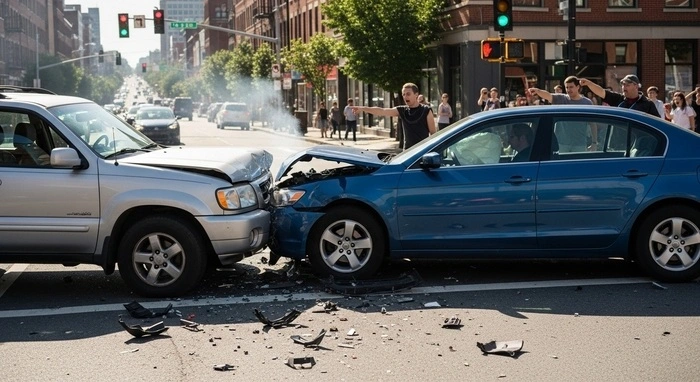
While waiting for the authorities, take as many photos as possible of the scene and the specific damage to your vehicle. Look for any debris left behind by the other vehicle, such as a broken mirror or a paint transfer on your bumper. These small physical clues can be essential for identifying the make and model of the car that struck you during the chaos.
You should also try to speak with anyone who might have witnessed the impact or the direction the driver fled. Get their contact information immediately, as their independent accounts are far more credible to insurance adjusters than your own statement later. Documenting the scene thoroughly is the best way to turn a “dead end” case into a successful and professional recovery.
Utilizing Investigative Tools to Track the Offending Vehicle
Modern technology has made it much harder for negligent drivers to hide after a hit and run incident occurs. Local business surveillance footage is often the key to cracking a case that seems impossible to solve at first glance. Many storefronts and gas stations have cameras that capture traffic flow, potentially recording the license plate or the face of the offending driver.
License plate readers are another powerful tool used by law enforcement and private investigators to track vehicles through the city. These systems can identify a car as it passes through major intersections, allowing investigators to map the driver’s path before and after the crash. This digital footprint is often the “smoking gun” that leads to an arrest and a future civil claim.
Social media and community groups can also be surprisingly effective for gathering tips about damaged vehicles in your specific area. A proactive legal team will leverage every available investigative resource to find the person responsible for your injuries and your property loss. Technology ensures that the truth is often much closer than it appears to the naked eye after the event.
Navigating the Criminal Versus Civil Implications of the Case
It is important to understand the difference between the criminal case and your own civil case for financial damages. Leaving the scene of an accident is a serious crime that can lead to significant jail time and heavy fines for the offender. The state will handle the prosecution of these charges to punish the driver for their illegal and dangerous actions on the road.
While the criminal case is about punishment, your civil case is about securing compensation for your medical and personal losses. A criminal conviction can actually bolster your civil claim by providing irrefutable proof of the driver’s negligence and disregard for the law. Juries and insurance adjusters are much less sympathetic to a defendant who has already been found guilty of a crime.
You can pursue a civil lawsuit regardless of whether the police ever catch the driver, thanks to the insurance options mentioned earlier. However, if the driver is found, you can seek a judgment directly against them and their personal assets for your recovery. Balancing these two legal paths is the most effective way to ensure that you receive total justice for your trauma.
Reclaiming Your Future Through Professional Legal Strategy
Summarizing your options reveals that a hit and run is never a hopeless situation for a victim who knows where to look. By acting quickly and using the right legal and insurance tools, you can secure the resources you need to heal and move forward. You should never assume a case is a dead end until a professional has explored every possible avenue.
Dealing with the aftermath of a cowardly act requires a disciplined and persistent approach to the law and your insurance policy. It’s about taking control of the narrative and refusing to be a victim of someone else’s mistake or lack of integrity. With the right support, you can turn a moment of total chaos into a structured path toward a stable and secure future.
Ultimately, the goal is to hold the negligent party accountable while protecting your own financial and physical well-being. High standards in your legal strategy lead to better outcomes, even in the most difficult and frustrating circumstances imaginable after a crash. Reclaiming your peace of mind starts with a commitment to the truth and a refusal to give up on seeking justice.