How Multiple Insurance Policies Complicate Uber And Lyft Crash Claims In Texas
When a rideshare driver causes an accident, determining which insurance policy applies becomes a complicated puzzle. Unlike traditional car accidents involving two personal auto policies, Uber and Lyft crashes can involve up to four different insurance companies, each looking for reasons to deny coverage. The confusion stems from the unique three-phase insurance system these companies use, where coverage changes based on whether the driver’s app is on and whether they’re carrying a passenger. For accident victims in Texas, this layered approach often means navigating conflicting claims, coverage gaps, and delayed compensation.
Understanding the Three-Phase Insurance System
Rideshare companies divide coverage into three distinct periods, and the driver’s app status at the time of the crash determines which policy applies. Period 1 begins when a driver logs into the app but hasn’t accepted a ride request. During this phase, Texas law requires rideshare companies to provide at least $50,000 per person in bodily injury coverage, $100,000 per accident, and $25,000 for property damage. However, this coverage only activates if the driver’s personal insurance denies the claim, creating immediate complications.
Period 2 starts when the driver accepts a ride request and is en route to pick up the passenger. Period 3 covers the time when the passenger is actually in the vehicle until they exit. During both of these periods, Uber and Lyft provide $1 million in liability coverage. The problem arises when insurance companies dispute which period was active at the time of impact, leaving victims caught between multiple insurers.
When Coverage Gaps Leave Victims Unprotected
The transition between insurance periods creates dangerous coverage gaps that leave accident victims vulnerable. Many rideshare drivers don’t carry commercial auto insurance, and their personal policies typically exclude coverage for commercial activities. If an accident occurs during Period 1 and the rideshare company’s insurer argues the driver wasn’t actively working, the victim may face a denied claim from both the driver’s personal carrier and the rideshare company.
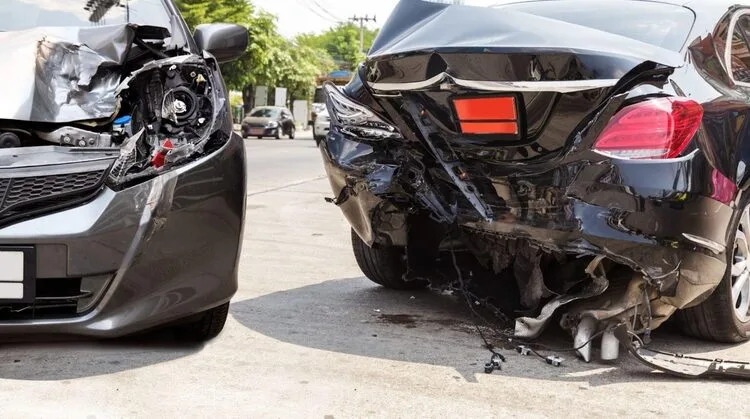
These coverage disputes frequently arise in rear-end collisions, intersection accidents, and highway crashes involving rideshare vehicles. The financial impact can be substantial, as car crashes in the United States result in high costs across medical treatment, lost wages, and vehicle repairs. Texas victims often discover these coverage complications only after filing their initial claim, when insurers begin pointing fingers at other policies.
The Challenge of Multiple Insurance Companies
When a rideshare accident involves another vehicle, the number of potential insurance policies multiplies. The victim may need to deal with their own insurer, the rideshare driver’s personal insurance, the rideshare company’s commercial policy, and potentially the at-fault driver’s insurance if a third vehicle is involved. Each company has its own claims process, investigation timeline, and coverage interpretation.
Insurance adjusters from different companies often provide conflicting information about liability and coverage. One insurer may claim the rideshare driver was at fault, while the rideshare company’s insurer argues that their driver acted properly and another party caused the crash. These disputes can drag on for months, leaving injury victims with mounting medical bills and no clear path to compensation. The complexity increases further when injuries are severe, as multiple policies may need to coordinate to provide adequate coverage.
Texas-Specific Rideshare Insurance Requirements
Texas law imposes specific insurance requirements on transportation network companies operating in the state. According to the Texas Department of Insurance, rideshare companies must maintain insurance that covers people or property the driver injures while logged into the app. The Texas Department of Licensing and Regulation enforces these requirements and maintains detailed operational guidelines for how coverage must be structured.
Despite these regulations, enforcement challenges persist. Some rideshare drivers operate without proper commercial endorsements on their personal policies, creating situations where no insurance applies. Others fail to notify their personal insurers that they drive for rideshare companies, which can result in automatic claim denials. Texas law requires insurers to clearly disclose these exclusions, but many drivers remain unaware until after an accident occurs.
Protecting Your Rights After a Rideshare Crash
If you’re involved in an accident with a rideshare vehicle in Texas, documenting the driver’s app status becomes critical. Take photos of the driver’s phone screen if possible, note whether a passenger was present, and obtain the trip details from your rideshare app if you were the passenger. Request the driver’s insurance information as well as confirmation of their rideshare company affiliation. This documentation helps establish which insurance period was active and which policy should respond to your claim.
Understanding your legal options is essential when dealing with multiple insurance companies that may attempt to minimize their liability. Rideshare accident lawyers in Texas can help navigate the complex claims process and ensure all potentially responsible insurance policies are properly identified. They can also handle communications with multiple insurers, preventing victims from making statements that could be used to deny coverage.
The intersection of personal auto insurance, commercial rideshare policies, and Texas-specific regulations creates a challenging environment for accident victims seeking fair compensation. Being prepared and understanding which questions to ask can make the difference between a successful claim and months of frustration dealing with unresponsive insurance companies.