What Happens To A Leased Car After A Rideshare Accident In Texas?
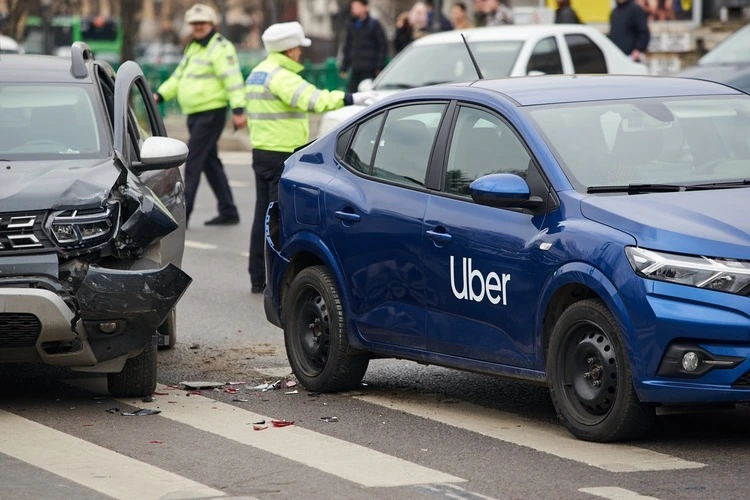
The gig economy has transformed how Americans earn income, with thousands of Texans turning to rideshare platforms like Uber and Lyft to supplement their earnings. Many drivers choose to lease vehicles specifically for this purpose, attracted by lower upfront costs and predictable monthly payments. However, when an accident occurs while driving a leased vehicle for rideshare services, the situation becomes significantly more complicated than a typical car accident. Understanding the intersection of lease agreements, rideshare insurance policies, and Texas liability laws is essential for anyone operating a leased vehicle in the rideshare industry.
Lease Agreement Restrictions for Rideshare Use
Most standard auto lease agreements contain specific clauses regarding how the vehicle can be used. Many leasing companies prohibit or restrict commercial activities, including rideshare driving, without prior notification or approval. When you sign a lease agreement, you’re entering into a contract that defines acceptable use of the vehicle.
The consequences of violating these terms can be severe. Car lease agreements come with a stipulation that you must pay a penalty if you exceed mileage limits, cause excessive wear, or use the vehicle for unauthorized purposes. If your leasing company discovers you were using the vehicle for commercial rideshare purposes at the time of an accident, you may face additional financial liability beyond the accident damages themselves. This could include early lease termination fees, penalty charges, or even demands for immediate return of the vehicle.
Before driving for any rideshare platform with a leased vehicle, carefully review your lease agreement and contact your leasing company to discuss your intentions. Some companies offer specific leasing programs designed for rideshare drivers, while others may require notification and a fee adjustment.
Insurance Coverage Complications
Insurance coverage becomes particularly complex when a leased vehicle is involved in a rideshare accident. There are typically three layers of insurance at play: your personal auto insurance, the leasing company’s interest in the vehicle, and the rideshare company’s commercial policy.
Rideshare companies provide different levels of coverage depending on your status when the accident occurs. If you’re offline in the app, only your personal insurance applies. Once you turn on the app and are waiting for a ride request, limited coverage from the rideshare company kicks in, but it may not fully cover damages to your leased vehicle. During an active ride with a passenger, the rideshare company’s commercial policy provides more comprehensive coverage, but gaps can still exist.
The challenge with leased vehicles is that you don’t own the car—the leasing company does. This means any damage affects the leasing company’s property, and they have specific requirements about repairs and insurance claims. If your personal insurance policy excludes commercial activity (which many do), and the rideshare company’s coverage doesn’t fully address the leasing company’s concerns, you could find yourself personally liable for high costs.
Financial Liability and Repair Requirements
Texas follows an “at-fault” system for auto accidents, meaning the party responsible for causing the accident is liable for damages. When you’re driving a leased vehicle for rideshare purposes, determining who pays for what becomes complicated. The leasing company will require the vehicle to be repaired to their standards, often at approved repair facilities.
If another driver caused the accident, their insurance should cover the damages. However, the claims process can be lengthy, and the leasing company may not be willing to wait. You might need to handle repairs through your own insurance or the rideshare company’s policy while pursuing reimbursement from the at-fault party. During this time, you’re still responsible for your monthly lease payments on a vehicle you may not be able to use.
If the accident results in the vehicle being declared a total loss, you’ll need to address the gap between what insurance pays and what you owe on the lease. Gap insurance becomes especially important for rideshare drivers with leased vehicles, as the depreciation from commercial use could exceed standard calculations.
Protecting Your Legal Rights
When a rideshare accident occurs in a leased vehicle, multiple parties may have competing interests: you as the driver, the leasing company, the rideshare platform, other drivers involved, and various insurance companies. Navigating these relationships while protecting your financial interests requires careful attention to legal details. Attorneys for rideshare collisions in Austin, TX can help you understand your rights and obligations under Texas law, negotiate with insurance companies, and ensure you’re not unfairly held responsible for costs that should be covered by others.
Documentation is critical in these situations. Immediately after an accident, collect as much information as possible: photos of all vehicles and the scene, contact information for all parties, witness statements, and your rideshare app status at the time of the accident. Notify your leasing company promptly, as required by your lease agreement, and report the accident to both your personal insurance and the rideshare platform.
Moving Forward as a Rideshare Driver
The combination of lease obligations, insurance complexities, and rideshare regulations creates a challenging environment when accidents occur. The key to protecting yourself is preparation: ensure you have proper authorization from your leasing company, maintain appropriate insurance coverage with no commercial use exclusions, understand your rideshare platform’s insurance policies, and know your rights under Texas law.
If you’re considering rideshare driving with a leased vehicle, take time to understand all contractual obligations before your first ride. And if an accident does occur, seek professional guidance quickly to navigate the complex claims process and protect yourself from unfair liability. The financial consequences of mishandling a rideshare accident in a leased vehicle can extend far beyond the immediate damage to the car.