The Most Expensive Parts To Repair After A Rideshare Vehicle Collision In Texas
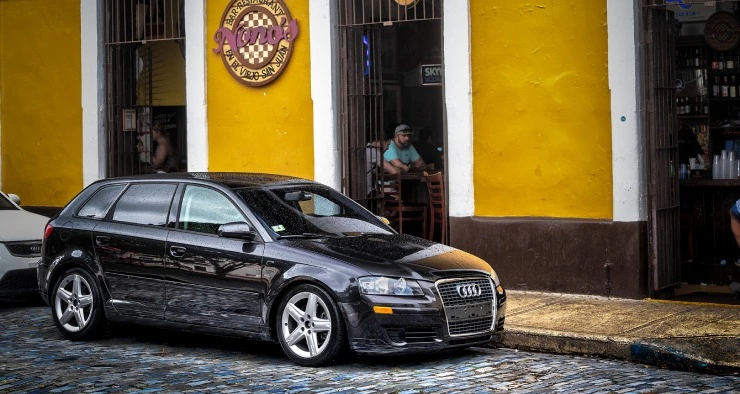
Rideshare vehicles log significantly more miles than typical passenger cars, often accumulating 30,000 to 50,000 miles annually compared to the national average of 13,500 miles. This increased road exposure, combined with frequent stop-and-go urban driving, makes rideshare vehicles particularly vulnerable to collisions. When accidents occur, repair costs can quickly escalate depending on which components sustain damage. Understanding the most expensive parts to repair helps both rideshare drivers and passengers grasp the true financial impact of these crashes.
Advanced Safety Systems and Electronics
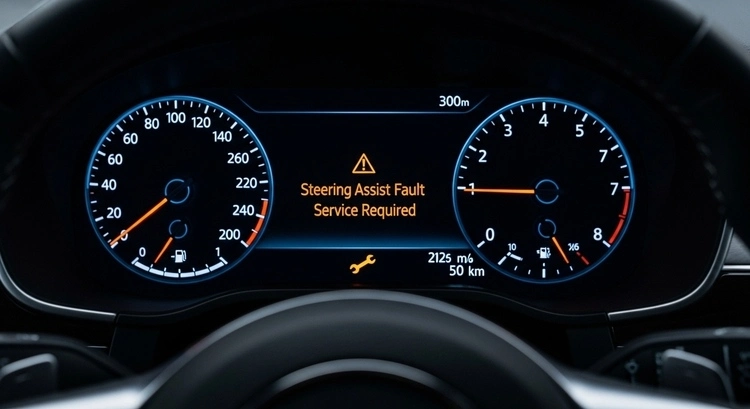
Modern vehicles rely heavily on sophisticated electronic components, and damage to these systems represents one of the costliest repair categories. Advanced driver assistance systems (ADAS), including adaptive cruise control, lane departure warning, and automatic emergency braking, require precise calibration after even minor collisions. A damaged front radar sensor alone can cost $900 to $1,300 to replace, not including the mandatory recalibration that adds another $150 to $250.
Side and rear collision sensors, parking assist modules, and blind spot monitoring systems each carry price tags of $500 to $1,500 per component. When multiple sensors sustain damage in a single accident, repair bills quickly climb into the thousands. Infotainment systems and touchscreen displays frequently suffer damage in collisions due to their prominent dashboard positions. Replacing these units typically costs between $1,200 and $3,500.
Airbag deployment adds substantial costs as well, with front airbag replacement averaging $1,000 to $1,500 per airbag, while side curtain airbags can cost $600 to $1,200 each.
Frame and Structural Components
Damage to a vehicle’s structural integrity represents the most serious and expensive repair category. The unibody frame, which forms the foundation of most modern vehicles, requires specialized equipment and expertise to repair properly. Frame straightening using hydraulic equipment costs between $600 and $1,000, while severe damage requiring frame section replacement can exceed $5,000 to $10,000.
Crumple zones, designed to absorb impact energy and protect occupants, often become permanently deformed after moderate to severe collisions. Technicians must cut out damaged sections and weld in new components, a process requiring 20 to 40 hours of skilled labor at rates of $75 to $150 per hour. The parts themselves add $2,000 to $4,000 to the total bill.
When frame damage is extensive enough that repair costs approach 70 to 80 percent of the vehicle’s actual cash value, insurance companies typically declare the vehicle a total loss. In these situations, rideshare drivers may face difficult decisions about vehicle replacement, and some may explore options to sell severely damaged vehicles.
Engine and Transmission Damage
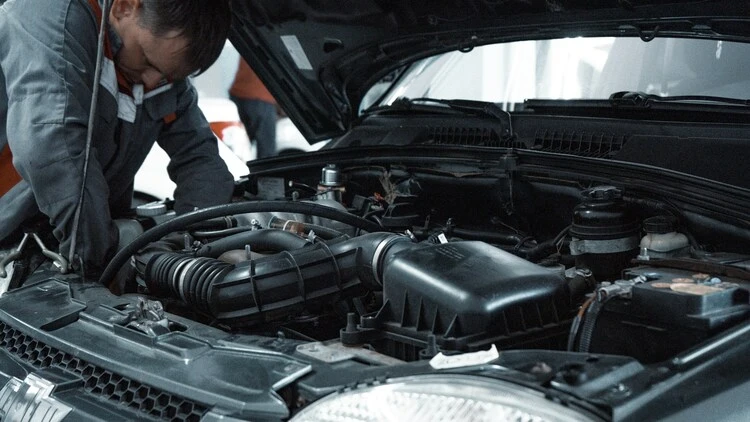
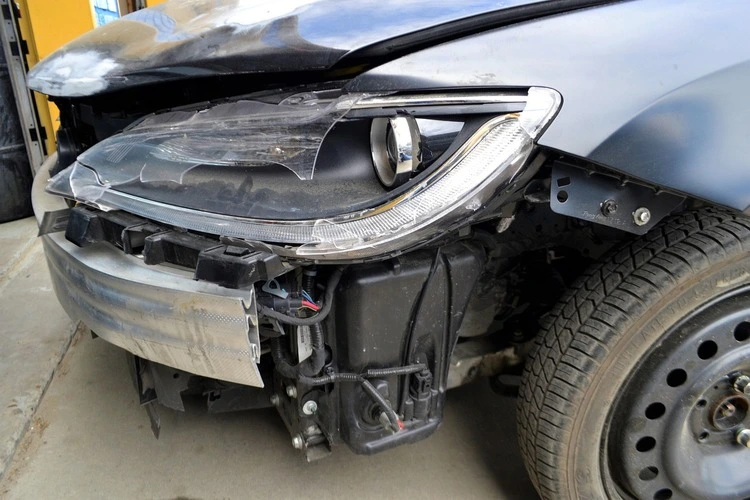
Direct impact on the engine compartment can result in catastrophic damage to critical mechanical components. Even seemingly minor front-end collisions can compromise engine mounts, crack the engine block, or damage the oil pan. Engine replacement costs vary dramatically by vehicle type, ranging from $4,000 for basic four-cylinder engines to $10,000 or more for six-cylinder and turbocharged models.
Transmission damage frequently occurs in side-impact collisions or when vehicles are struck while stopped. Automatic transmission replacement averages $2,500 to $5,000, including labor, while continuously variable transmissions (CVTs), popular in hybrid vehicles, can cost $3,500 to $8,000 to replace. Cooling system damage adds another expense category, with radiator replacement costing $400 to $900 and associated components adding several hundred dollars more.
Body Panels and Paint Matching
While individual body panels cost less than major mechanical components, the cumulative expense of replacing multiple panels and achieving proper paint matching can surprise vehicle owners. A single door replacement costs $500 to $1,500, depending on the vehicle, while hood replacement ranges from $400 to $1,200. Fenders typically cost $300 to $900 each, not including painting and blending.
Paintwork represents a significant portion of body repair costs. Professional paint matching and application for a single panel averages $500 to $1,000, but when repairs involve multiple panels, technicians must blend paint across adjacent surfaces to avoid visible color differences. This blending process can extend to three or four panels beyond the damaged area, substantially increasing costs. Here is the report on The Economic and Societal Impact of Motor Vehicle Crashes, 2019.
Understanding Your Options After a Rideshare Collision
The complexity and cost of modern vehicle repairs underscore the importance of proper documentation and legal guidance following rideshare accidents. Whether you’re a driver or passenger, understanding liability in rideshare collisions involves navigating insurance coverage from multiple sources, including the rideshare company’s commercial policy, the driver’s personal insurance, and potentially other drivers’ policies.
Texas law provides specific protections for rideshare accident victims, but accessing appropriate compensation requires knowledge of how these policies interact. Rideshare accident lawyers in Garland, TX, can help determine which insurance policies apply based on whether the driver was waiting for a ride request, en route to pick up a passenger, or actively transporting a customer. Each scenario triggers different coverage levels and liability considerations.
Detailed repair estimates from certified technicians provide crucial evidence when pursuing compensation for vehicle damage. Keep all documentation related to the collision, including police reports, photos of vehicle damage, repair estimates, and medical records if injuries occurred. This information strengthens your position when negotiating with insurance companies or pursuing legal claims to recover repair costs and other damages.