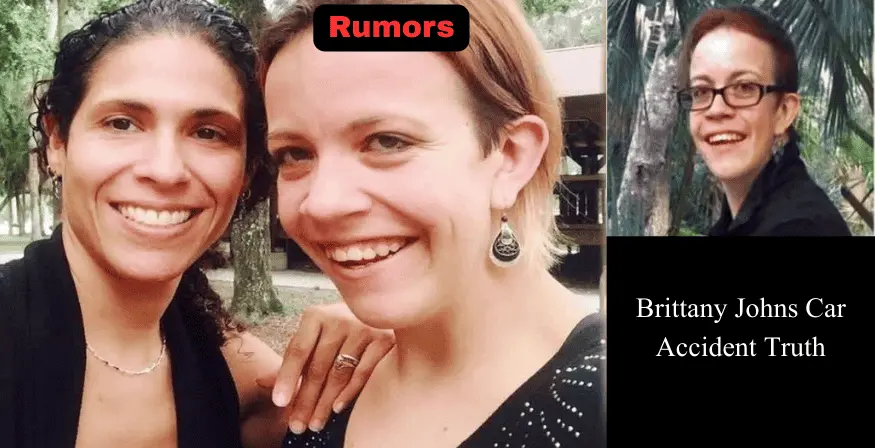
Brittany Johns Car Accident: Separating Online Rumors from Real Facts
Every few months, a name starts circling around the internet with a dramatic story attached to it. For a while now, “the Brittany Johns car accident” has been one of those names. You see it in blog posts, social media threads, and even in comment sections under unrelated news. The story usually comes with heavy words like “fatal crash,” “police chase,” and “interstate pileup.”
But when you try to trace those claims back to solid, official information, the trail gets thin very quickly. That gap between a viral story and verifiable facts is what pushed me to look deeper. If people are repeating a serious accident involving Brittany Johns, it is fair to ask: what actually happened, and what do reliable records say?
This is not about denying that serious crashes happen. They happen every day, and the consequences are often life-changing. The question here is more specific: does the detailed, dramatic story people tell about Brittany match what credible sources show, or has rumor taken over?
How the Brittany Johns Crash Rumor Started Spreading
The pattern looks familiar. At some point, a story appears online claiming that a woman named Brittany Johns was involved in a serious crash, often described as a high-speed incident on Interstate 55. Early versions mention a police stop, a chase, and a violent impact.
From there, other sites begin to repeat the same phrases, sometimes changing small details. A few add emotional language, a few add moral lessons, and many never link to any police report, court document, or mainstream news coverage. Once the story jumps to social media, screenshots and short posts replace full context. People share out of concern or curiosity, not because they have personally checked anything.
Over time, the repetition makes the story feel real—even if no one has ever confirmed it with primary sources.
Separating Online Chatter From Verifiable Facts
When you strip away the emotion and look only for evidence, you notice a clear gap. Major newspapers, local TV stations, and official law-enforcement channels are usually quick to cover fatal crashes or major police pursuits. In this case, those usual anchors are either missing or extremely vague.
That doesn’t mean nothing ever happened. It means we should be honest about the limits of what is known. A careful reader has to separate three layers:
- Claims that are repeated,
- Details that are actually supported by credible records, and
- Dramatic add-ons that appear to be speculation or fiction.
The goal of this article is to keep those layers separate instead of blending them into one “shocking story.”
What People Are Saying About the “Brittany Johns Car Accident”
Online, the narrative about Brittany’s accident tends to follow a familiar script, even when small details change from one post to another.
Common Claims About the Date and Location
Most versions agree on one basic frame: the alleged accident happened in early September 2022, often pinned specifically to September 7, 2022, on Interstate 55, sometimes said to be in Arkansas. That date-plus-highway combo appears over and over in blogs and threads, even when other details conflict.
This repetition is important to note. It shows how a specific version of events can become “standard” online, even if no one links to a police log or crash report that actually confirms it.
Confusion Around the Red Pontiac and Other Vehicles
Many posts say Brittany was connected to a red Pontiac Grand Prix. In some versions she is driving it. In others she is a passenger. Still others place her in a different car entirely, often described as a Toyota Camry that somehow gets swept into the impact.
The problem is that these details shift from one write-up to another with no clear source. When the make, model, and even Brittany’s position in the car keep changing, it suggests people are copying each other’s words, not checking an original report.
Stories of Police Stops, Chases, and Bad Weather
Another cluster of claims focuses on a police traffic stop that turned into a chase. One version says officers tried to pull over the red Pontiac for speeding. Another says it was weaving through traffic. Almost all of them add rain, wet pavement, or “dangerous road conditions” to heighten the sense of drama.
Again, this may sound realistic, because police pursuits and bad weather crashes do happen. But none of these posts point to a verified pursuit log, dashcam release, or official statement confirming that a chase involving Brittany actually occurred on that date and highway.
Alleged Drugs, Firearms, and Warrants
Many retellings go further, adding drugs, firearms, or active warrants into the story. These details make the narrative feel like a crime drama instead of a simple traffic accident.
Yet serious claims like these should show up in court documents or police blotters if they were real. So far, the versions floating around online recycle the same accusations without linking to any filing, arrest record, or charge list.
Conflicting Reports About Whether Brittany Died or Survived
Even the most basic fact—what happened to Brittany herself—is inconsistent. Some posts say she died at the scene. Others say she was hospitalized. A few insist she survived and is now recovering.
When a story cannot agree on whether a person is alive or dead, that alone is a major red flag. It suggests people are repeating what they heard, not what they checked.
What I Could Not Verify: Rumors and Inconsistencies
After searching across news archives, public safety pages, and basic public-record tools, I did not find a clear, credible report that matches the dramatic online story.
No Mainstream News or Official Confirmation
Major outlets and official channels that usually cover fatal interstate crashes do not show a matching case with Brittany’s name, date, and all these dramatic details combined. That gap is important when deciding how much of the online tale to trust.
Unconfirmed Claims About Death, Injuries, and Crime
A lot of posts speak confidently about Brittany’s “death,” “critical injuries,” or “recovery,” but none of them point to a hospital record, obituary from a reputable outlet, or an official statement from family or authorities. The same goes for the claims about drugs, guns, or warrants. They’re written as if they’re facts, but there’s no solid paper trail behind them.
When serious accusations appear without any supporting record, the safest assumption is that they are unverified at best, and false at worst.
Why These Rumors Might Be Spreading
Several forces push stories like this to grow:
Viral, Dramatic Content Travels Fast
A story that mixes a young woman, an interstate crash, a police chase, and crime allegations has all the ingredients of a viral post. People share it because it’s shocking, not because they checked whether it’s true.
Low-Quality Sites and Copy-Paste Blogs
Some sites exist just to publish emotional or “shocking” content. They often copy each other’s wording, change a few details, and never link to any real source. Over time, the repetition makes the story feel real.
Name Confusion and Memory Gaps
There may be real crashes on I-55 or real people named Brittany Johns involved in unrelated incidents. When names and details blur together, the internet can accidentally build a single, fake “master story” out of several unrelated fragments just like Keir Starmer Wife Accident rumors.
Conclusion
After looking at what verified records do and do not show, the honest answer is this:
- Some basic elements (a date, a highway, mention of a crash) appear often enough that there might be a small kernel of truth.
- The most dramatic details—fatal chase, crime allegations, clear proof of death—remain unconfirmed by credible, public sources.
Until official documents or reliable reports appear, the Brittany Johns car accident story should be treated as mostly rumor, not settled fact.
FAQs
There are repeated online claims, but no clear, verifiable official report that matches the dramatic version widely shared.
No. Different posts say she died, survived, or was hospitalized. None link to credible obituaries, family statements, or official records.
Some stories mention a chase, but no mainstream news or law-enforcement source clearly confirms this scenario with her name.