Bought a Used Car? 4 Simple Ways to Lower Your Insurance Premium Instantly
You spent weeks scanning vehicle history reports, checking reliability guides, and haggling with sellers to get a fair price on a dependable used car. The paperwork is signed, and the keys are finally in your hand. However, the financial commitment does not end at the dealership. For many buyers, the initial excitement of vehicle ownership quickly fades when the first auto insurance bill arrives.
Many people assume that a pre-owned vehicle will automatically be cheap to protect. In reality, modern insurance rates rely on a complex mix of vehicle safety statistics, local repair costs, and your personal driving history. Fortunately, you do not have to accept the first high price a carrier hands you. By taking a few strategic actions right after your purchase, you can reduce your ongoing ownership costs immediately. Here are four practical ways to drop your used car insurance premium.
1. Optimize Your Deductibles and Evaluate Optional Coverages
One of the fastest ways to alter your monthly payment is to adjust your comprehensive and collision deductibles. The deductible is the amount of money you agree to pay out of pocket before your insurance coverage kicks in to pay for a claim. Choosing a higher deductible naturally lowers the financial risk for the insurance provider, which translates directly into lower premium costs for you.
If you raise your deductible from $250 to $500, or from $500 to $1,000, you can often cut your premium by 15 to 30 percent. Just make sure you keep that deductible amount accessible in a savings account in case you ever need to file a claim.
Additionally, if you bought an older used car that has already experienced significant depreciation, you should reconsider full coverage entirely. A good rule of thumb is the ten percent rule. If the annual cost of your comprehensive and collision coverage plus your deductible is more than ten percent of the current market value of the vehicle, paying for full coverage may no longer make financial sense. Dropping down to liability-only coverage can save you hundreds of dollars annually.
2. Secure a Mandatory Defensive Driving Discount
Another highly effective strategy focuses entirely on the person behind the wheel rather than the vehicle itself. Insurance companies prefer low-risk clients, and many providers offer a substantial premium discount to drivers who voluntarily refresh their safety skills.
In states like Texas and Louisiana, insurance companies are legally required to reduce your rates if you complete an approved defensive driving course. For example, Texas drivers who complete a TDLR approved driving safety course can earn a guaranteed discount that remains active on their policy for up to three full years.
You do not need to lose an entire Saturday sitting in a crowded local classroom to get this benefit. You can easily complete a state-approved online program through platforms like The Safer Driver using your phone or laptop. Once you pass, you can download your certificate instantly and send it to your insurance agent to secure an immediate rate reduction of up to ten percent.
3. Leverage Multi-Policy Bundling
Insurance carriers reward customer loyalty and high-volume business. If you currently pay for renters, homeowners, or life insurance through one company, you should find out if they offer multi-policy discounts.
Moving your automotive coverage to the same provider that handles your housing policy can cut your premium by ten to twenty-five percent. Purchasing a different vehicle is the perfect trigger event to call your current representative and negotiate. Ask them to calculate a bundled rate before you look elsewhere, as this simple administrative shift is one of the easiest ways to keep more cash in your pocket.
4. Shop the Market and Compare Quotes
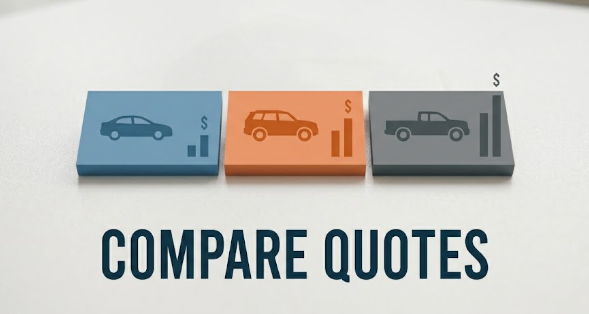
Every insurance provider uses a distinct algorithm to calculate risk. A company that offers the lowest rate for a compact sedan might be the most expensive option for a midsize SUV or a pickup truck. Because of these differences, you should never automatically renew your old policy when you change vehicles.
Get online and request at least three distinct quotes using the specific Vehicle Identification Number of your new or used car. Make sure you compare the exact same liability limits, deductibles, and roadside options across every quote so you can make an accurate comparison.
Conclusion
Buying a used car is an excellent financial decision that protects you from the steep curve of new vehicle depreciation. However, true affordability requires managing your monthly operational expenses. Do not let high insurance rates erase the savings you secured at the negotiating table. Spending a brief amount of time adjusting your deductibles, shopping around, and finishing a quick online defensive driving course will keep your vehicle protected without breaking your budget.