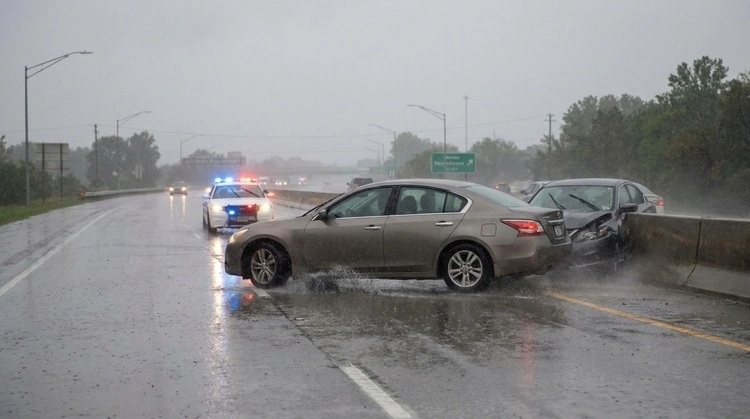
The Blame-Shifting Tactics Insurance Adjusters Use After a Crash
Some claims start taking shape before a driver even realizes it. A simple phone call can turn into a conversation that reframes what happened, softens the other side’s responsibility, or makes your own words do more damage than you intended.
That is what makes blame-shifting effective. It rarely sounds hostile. It sounds casual, routine, and reasonable right up until the record starts leaning the wrong way. By the time many drivers notice it, the conversation has already started drifting from the facts toward doubt, uncertainty, and shared fault.
Why Blame-Shifting Happens So Early
Insurance adjusters often start evaluating exposure right away. Before repair estimates are finalized or medical records are complete, they are already listening for anything that could narrow responsibility, weaken the claim, or leave room to argue that the facts are less clear than they seem.
That timing matters. In the first conversation, drivers are often still shaken up, working from memory, and trying to be cooperative. A casual guess about speed, distance, visibility, or how an impact felt can later be treated like a firm statement. A polite apology can sound like an admission. Even a moment of uncertainty can be used to suggest the story has gaps.
None of this has to look dramatic to work. The pressure usually comes through tone, pacing, and wording. The questions sound ordinary. The conversation feels routine. Meanwhile, the record starts taking shape in a way that may favor the insurer long before the driver has had a real chance to gather documents, review details, or understand what is being challenged.
The Blame-Shifting Tactics Drivers Often Miss
The most effective tactics usually do not sound aggressive. They sound routine, which is exactly why they work. When a call feels casual, many drivers speak more freely than they should.
One common tactic is the leading question. Instead of providing a clear account, an adjuster may frame a question in a way that encourages uncertainty or partial fault. A driver who says “maybe” or “I’m not sure” may think they are being honest, but that answer can later be used to support a shared-fault argument.
Recorded statements create another opening. What sounds like a standard request can become a tool for highlighting small inconsistencies, especially when the driver is shaken up, in pain, or answering from memory. A rough estimate about speed, distance, or reaction time can end up carrying more weight than expected.
Some blame-shifting is built around gaps in the record. Delayed treatment, missing photos, incomplete witness information, or thin documentation can all be used to cast doubt on the story. Prior injuries can be framed the same way, shifting attention from what changed after the crash to what may have existed before it.
Even ordinary language can be turned against a driver. Saying “I didn’t see them until the last second” may simply reflect how fast the crash happened, but an insurer may treat it as a sign of inattention. These tactics rarely look dramatic. They work by slowly moving the claim away from a clean account of what happened.
Why Location Can Change the Shape of a Claim
The pressure around a crash claim does not feel exactly the same everywhere. In dense cities, heavy traffic, rushed commutes, and multiple witnesses can make fault questions more layered from the start. In quieter suburban or rural areas, the challenge may come from thinner documentation, fewer cameras, or longer gaps before key details are recorded.
That difference is one reason some drivers look for context that fits the place where the crash happened. Someone dealing with a disputed claim in a major metro area may approach the process differently than a driver in a smaller Midwest town or on a less congested road in another part of the country.
You can see that contrast across the United States. A claim in Illinois may unfold differently than one in Indiana or Wisconsin, where road conditions and traffic patterns can feel more familiar and less compressed. Compare that with places like Florida, Texas, or New York, where heavier traffic and more complex road environments can create a different kind of pressure.
In a city like Chicago, those pressure points can show up early in the claims process. In that setting, speaking with a Chicago car wreck attorney may feel like a more natural step for someone trying to understand how fault is being framed early in the process.
What Helps Protect Your Side of the Story
When an adjuster starts testing the edges of a claim, the strongest response is usually a cleaner record. Memories shift. Casual wording gets pulled apart. Documentation gives the claim something firmer to stand on.
Photos help, but they are only one piece of the picture. The most useful record often includes the damage itself, the position of the vehicles, the road, weather, visible injuries, and anything nearby that may help show how the crash unfolded. Witness names, contact details, and a basic written timeline can matter just as much when details are questioned later.
Medical follow-through also shapes how the claim is read. Gaps in treatment, inconsistent descriptions, or missing records can make it easier for an insurer to argue that the injuries were minor, unrelated, or unclear. The same goes for repair paperwork, towing records, and written communication with the insurance company. A scattered file leaves more room for doubt than an organized one.
This is where simple habits can make a real difference. Save emails. Keep copies of forms. Write down when calls happened and what was discussed. Hold onto receipts, estimates, and updates tied to the crash. Keeping records in one place and understanding the claims process can make it harder for small gaps or mixed details to shape the story against you.
Drivers who make early assumptions, leave gaps in documentation, or speak too casually with insurers often run into the same common mistakes that reduce a car accident settlement.
When the Issue Becomes More Serious
Some fault disputes stay limited to routine back-and-forth. Others start affecting the direction of the entire claim. That shift usually happens when injuries are more serious, the facts are being actively challenged, or the insurer starts building around uncertainty instead of the core event.
You can often see the change in the way the conversation moves. Questions become narrower. Small wording choices get more attention. Missing records, delayed care, or unclear timelines start carrying more weight than they seemed to at first. What began as a basic claims discussion starts turning into a larger argument about credibility, fault, and how much of the loss should be taken seriously.
That is usually the point when blame-shifting stops feeling like a routine insurance process and starts becoming a real pressure point. Once the record begins leaning in the wrong direction, correcting it can become harder than most drivers expect.
Why Early Claim Mistakes Are So Hard to Undo
Blame-shifting rarely begins with a dramatic accusation. It usually starts with a few careful questions, a few loose answers, and a record that leaves more room for interpretation than most drivers realize.
That is why the early stage of a claim matters so much. Clear documentation, measured communication, and a consistent account can do more to protect a driver’s position than many people expect. When the facts stay organized, it becomes harder for an insurer to reshape the story around uncertainty.