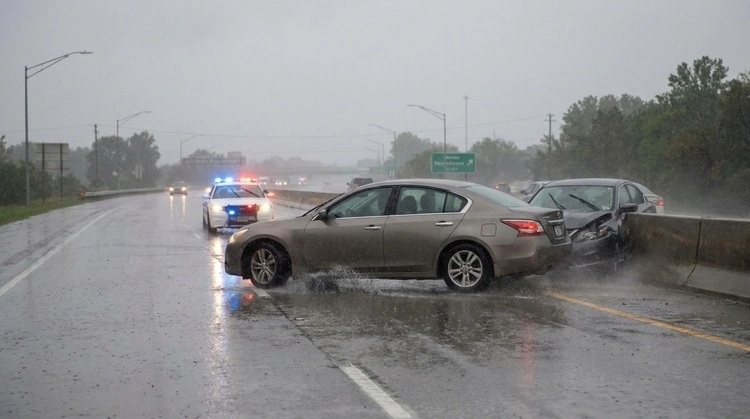
Why Hydroplaning Accidents Are More Common Than Drivers Realize
Hydroplaning is one of the most frightening things you can experience while driving. One minute your car feels fine, and the next minute the steering wheel feels light, and the vehicle seems to float.
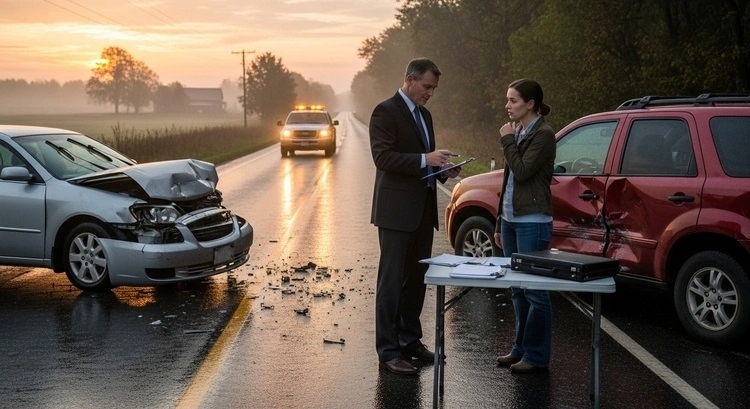
Before you know it, you may find yourself in an accident with another driver. These accidents often result in questions about fault and liability, so you may turn to a car accident lawyer for help.
You may think hydroplaning only happens during severe storms. In reality, the risk can rise any time you’re driving on a wet surface. Speed, worn tires, low tire pressure, and poor drainage can all make hydroplaning more likely. These conditions are common, so hydroplaning happens more often than you probably realize.
What Happens When a Vehicle Hydroplanes?
Hydroplaning occurs when a layer of water separates a vehicle’s tires from the road surface. Those grooves on your tires are there to help push water away from the tires.
When the tires can’t push the water away, they may ride on top of the water instead of gripping the pavement. This loss of traction can happen in the blink of an eye.
During hydroplaning, braking may not work because the tires no longer have firm contact with the road. A driver can lose control of the vehicle without much warning. That means one moment you’re driving normally, and the next you’re sliding across lanes.
On highways, bridges, curves, and busy intersections, that brief loss of control can lead to major crashes.
The amount of water on the road is a big contributing factor, but it’s not the only issue.
Vehicle speed, tire condition, tire pressure, road slope, pavement texture, and drainage all play a role. This is one reason why hydroplaning accidents often happen in places where drivers least expect them.
Why Hydroplaning Is Common
Most drivers encounter wet pavement far more often than snow, ice, or other obvious weather hazards. And because driving in the rain is so common, people underestimate how much it affects road conditions.
Wet pavement reduces traction. It also increases stopping distance and makes sudden movements more dangerous. A driver who follows too closely, changes lanes quickly, brakes hard, or takes a curve too fast may lose control easily on a wet road.
Another reason hydroplaning is common is that drivers often fail to slow down during rainfall. They may reduce speed slightly, but not enough to match the conditions.
Most drivers forget that posted speed limits apply to normal driving conditions. That means that the speed posted isn’t necessarily safe during heavy rain, standing water, or poor visibility.
Hydroplaning risk also increases after a dry spell. Oil, grease, dust, and debris collect on the road. When it finally rains again, those materials mix with water and make the pavement slick.
Tires need enough tread to maintain traction with the road. They also need enough tread to move water out of the way.
As tread wears down, tires have less ability to grip wet pavement. That’s why it’s important to replace tires before the tread is completely gone. A tire that still looks usable may perform poorly in the rain.
Tire pressure is another contributing factor. Underinflated tires may not maintain proper contact with the road. Overinflated tires can also reduce the tire’s contact area. Either problem can affect handling, braking, and traction.
Hydroplaning crashes almost always involve more than one contributing factor. Water creates the hazard, but driver decisions play a role as well.
Some drivers use cruise control at all times, not realizing it creates additional danger in the rain. When a vehicle hydroplanes, the driver needs smooth control over speed and steering.
Cruise control may interfere with that control because it tries to maintain a set speed. Many safety experts recommend turning the cruise control off during wet weather.
Poor tire maintenance can also turn a manageable situation into a crash.
Drivers may not check tread depth often enough. They may assume tires are safe because they’re not flat or visibly damaged. However, wet-road performance declines as tread wears down. A tire may still appear usable but perform poorly in heavy rain.
Who Is Liable for a Hydroplaning Accident?
If a driver hydroplanes and crashes because they were speeding, tailgating, or driving recklessly, they may be liable for the accident. Hydroplaning doesn’t excuse negligent behavior behind the wheel.
Liability will likely depend on the details of the accident. Things like weather reports, road conditions, vehicle speed, and tire condition may all be taken into account.
If available, witness statements and video footage play a role as well. There’s also the question of whether the driver had enough time to slow down or avoid standing water.
It’s also possible that more than one person may share liability. A car accident lawyer can review the facts to determine whether evidence of negligence exists. This review may include the police report, photographs, maintenance records, insurance information, and medical records.
Why These Accidents Often Lead to Disputes
Disputes often arise because drivers and insurance companies may disagree about what caused the crash. Not every hydroplaning crash has a simple answer.
A driver may encounter standing water that is difficult to see. Another vehicle may swerve first. Poor visibility may limit reaction time. These details matter because liability often depends on whether a driver could have avoided the crash under similar conditions.
Injury claims may also become complicated when several vehicles are involved. A hydroplaning vehicle may start a chain-reaction crash. Other drivers may then collide while trying to avoid the first impact. Sorting out the fault in these cases requires a close review of timing, vehicle positions, and driver actions.
Drivers cannot control the weather, but they can reduce the risk of hydroplaning. The most important step is to slow down when roads are wet. Even if traffic continues moving quickly, driving too fast increases the chance of losing traction.
Drivers should also leave more space between vehicles. More distance allows more time to react and more room to stop. This is really important on highways, where hydroplaning can happen at higher speeds.
Drivers should remain calm if a vehicle begins to hydroplane. Slamming on the brakes or jerking the wheel makes the slide worse.
The safer response is to ease off the accelerator, keep the steering wheel steady, and allow the tires to regain traction.
Hydroplaning can happen whenever you find yourself driving on wet pavement. It can cause car accidents in parking lots as well. And it often occurs with little warning. When serious injuries occur, a vehicle accident lawyer can explain how fault and liability may apply.