Steps to Take After a Car Accident in Carmel Indiana
When a car accident occurs in Carmel, Indiana, it is vital to respond promptly and methodically. Ensuring safety and evaluating injuries take precedence, followed by notifying the appropriate authorities. Proper documentation and communication with all parties involved can greatly impact the outcome of any claims or legal proceedings. Understanding the essential steps can help individuals navigate the aftermath more effectively, yet there are important details that must not be overlooked.
Assess the Situation and Ensure Safety
Immediately after a car accident, it is essential to quickly assess the situation to determine the extent of injuries and potential hazards. Prioritizing safety measures begins with ensuring that all involved parties are out of harm’s way, such as moving to a secure location if possible. Immediate actions include turning on hazard lights to alert other drivers and preventing further collisions. Inspecting the surroundings for dangers like leaking fuel or unstable vehicles helps mitigate additional risks. Remaining calm and composed enables clear judgment during these critical moments. By promptly evaluating the scene and implementing appropriate safety measures, the risk of subsequent harm can be minimized while preparing for subsequent steps, such as contacting emergency services and providing aid if necessary.
Check for Injuries and Call Emergency Services
After confirming the scene is secure, the next vital step involves carefully checking all individuals involved for any injuries. Conducting a thorough injury assessment is essential to identify visible and potential hidden injuries that may require immediate attention. Even if injuries appear minor, it is important to remain vigilant, as some symptoms may develop later. Following the injury assessment, promptly contacting emergency services is vital to guarantee a swift and professional emergency response. Calling 911 or local emergency numbers connects the scene to medical personnel and law enforcement, facilitating timely assistance and documentation. Additionally, individuals involved in accidents may consider consulting an auto accident attorney serving Carmel Indiana to understand their legal options and protect their rights. This step not only prioritizes the health and safety of all parties but also supports subsequent legal and insurance procedures. Maintaining calm and clear communication with dispatchers enhances the efficiency of the emergency response.
Move Vehicles to a Safe Location if Possible
After ensuring all parties are safe, moving vehicles to a secure location can help reduce traffic hazards and prevent additional damage. It is essential to assess the surroundings carefully before attempting to relocate any vehicles. Taking these steps supports the safety of everyone involved and facilitates a smoother emergency response.
Assess Safety First
Although emotions may run high following a collision, prioritizing safety is essential. The first step is to assess the condition of all individuals involved and the immediate environment. Adhering to established safety protocols helps minimize further risk. If it is safe to do so, moving vehicles to a secure location reduces the chance of secondary accidents and facilitates emergency response. This action aligns with accident prevention best practices, preventing additional hazards on the road. However, if injuries are apparent or moving the vehicles could worsen the situation, it is advisable to wait for professional assistance. Remaining calm and focused supports effective decision-making during this critical phase, ensuring the well-being of all parties and maintaining order at the accident site.
Clear Traffic Hazards
Clearing traffic hazards promptly is essential to prevent additional accidents and guarantee the safety of all road users. After ensuring personal safety, involved parties should, when possible, move disabled vehicles to the roadside or a nearby safe location to restore traffic flow. This action minimizes the risk of secondary collisions. If moving vehicles is not feasible, deploying hazard warning signals, such as activating emergency flashers, is critical. Additionally, the strategic placement of traffic cones around the accident site can alert oncoming drivers to the obstruction ahead, providing a visual cue to slow down and proceed cautiously. These measures help maintain order and reduce confusion on the road, demonstrating consideration for all motorists while awaiting emergency responders or law enforcement arrival.
Prevent Further Damage
Once immediate traffic hazards have been addressed, attention should shift to preventing further damage by relocating vehicles to a safe area when feasible. This step is vital for preventing accidents that could arise from obstructed roadways or secondary collisions. Drivers involved must maintain composure to assess the safest nearby location, such as the shoulder or a parking lot, without jeopardizing personal safety. If vehicles are immobile or moving them poses a risk, it is advisable to leave them in place and alert authorities promptly. Maintaining clear communication with other parties and documenting the scene before moving vehicles can preserve essential information for insurance and legal purposes. Prioritizing safety and calm decision-making helps minimize additional harm and guarantees a more orderly resolution following the initial incident.
Notify the Carmel Police Department
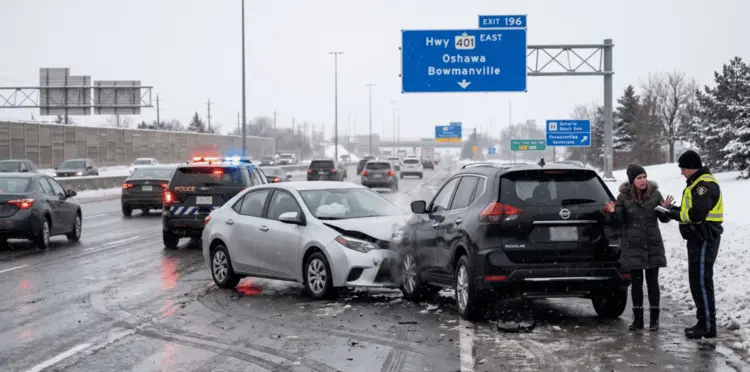
Contacting the Carmel Police Department promptly after a car accident is essential to guarantee an accurate and official record of the incident. A timely police response guarantees that officers can assess the scene, document evidence, and provide an impartial accident report. This report is critical for insurance claims and any potential legal proceedings. Additionally, having law enforcement present helps maintain order and safety for all parties involved. Individuals should provide clear, factual information without admitting fault. It is important to remain calm and cooperative during the interaction. By notifying the Carmel Police Department immediately, those involved can secure an authoritative account of the accident, which supports transparency and aids in resolving any disputes effectively.
Exchange Information With Other Parties Involved
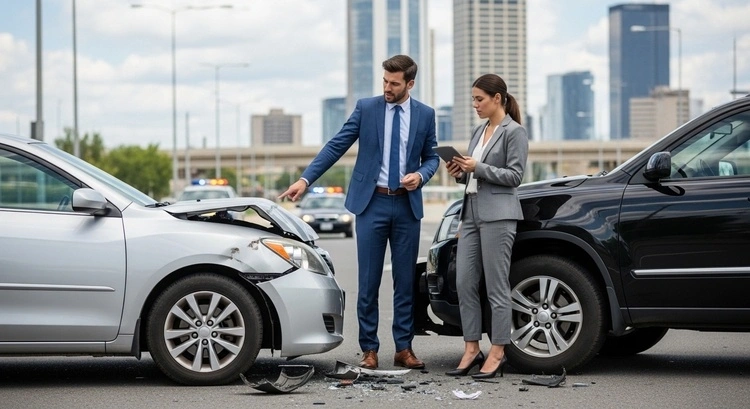
After the initial steps are taken, exchanging information with other parties involved becomes an essential task. It is important to collect names, contact details, driver’s license numbers, vehicle registration information, and insurance coverage specifics from everyone involved. Doing so facilitates effective communication for insurance claims and protects each party’s legal rights. Maintaining a calm and respectful demeanor during this process helps prevent misunderstandings and potential conflicts. Additionally, confirming the accuracy of the exchanged information guarantees that all parties can be reached if further details or documentation are necessary. This step is critical to securing the necessary data for insurers and legal representatives to assess liability and proceed with claims efficiently, ultimately supporting a smoother resolution after the accident.
Document the Accident Scene Thoroughly
Thorough documentation of the accident scene is essential for accurate reporting and insurance claims. Clear photographs should be taken to capture all vehicle damages and the surrounding environment. Additionally, obtaining contact information from witnesses can provide valuable support for any subsequent investigations.
Capture Clear Photographs
Although the immediate aftermath of a car accident can be overwhelming, capturing clear photographs of the scene is essential for accurate documentation. Multiple photograph angles should be taken to provide a thorough view of the accident, including close-ups of damaged areas and wider shots that show the overall context. Key vehicle details such as license plates, make, model, and visible damages must be clearly visible to support insurance and legal processes. Additionally, photographing skid marks, road conditions, and traffic signals can offer valuable insights into the circumstances of the incident. Ensuring these images are sharp and well-lit helps preserve critical evidence, aiding in fair assessments and claims. Clear photographic documentation ultimately supports transparency and accountability in the aftermath of a car accident.
Note Witness Information
Several witnesses at the scene can provide valuable perspectives that enhance the accuracy of the accident report. It is vital to promptly and respectfully request witness statements while emotions are still fresh. Each statement offers unique insight that may clarify the sequence of events or assign responsibility more accurately. Collecting extensive contact details from witnesses guarantees that authorities or insurance representatives can follow up if further information is required. Documentation should include full names, phone numbers, and addresses where possible. Maintaining professionalism and empathy during this process encourages cooperation and helps witnesses feel comfortable sharing their observations. Thoroughly noting witness information contributes markedly to a detailed and reliable accident record, which can be essential during legal or insurance proceedings.
Record Vehicle Damages
Capturing detailed images and notes of vehicle damage immediately following an accident is critical for accurate documentation. This process supports a thorough vehicle evaluation and guarantees a precise damage assessment, which is essential for insurance claims and potential legal proceedings. Individuals should focus on recording all visible damage from multiple angles, noting both minor and major impacts. Clear documentation helps establish the extent of harm and facilitates fair resolution.
Key steps include: – Photographing all damaged areas up close and from a distance – Noting the location and size of dents, scratches, or broken parts – Recording any mechanical issues apparent after the collision – Documenting the overall scene to provide context for the incident
Such detailed records aid in objective damage assessment and protect the rights of those involved.
Gather Contact Information From Witnesses
Why is gathering contact information from witnesses essential after a car accident? Witness statements provide an objective perspective that can clarify the circumstances surrounding the incident, supporting accurate documentation and potential legal proceedings. Collecting reliable contact methods—such as phone numbers, email addresses, or mailing addresses—ensures that witnesses can be reached later if further clarification is needed. It is important to approach witnesses calmly, explain the reason for requesting their information, and record their details accurately. This step not only aids insurance investigations but also contributes to a thorough and fair assessment of the accident. By securing witness contact information promptly, involved parties protect their interests and facilitate a smoother resolution process.
Report the Accident to Your Insurance Company
After collecting witness information, the next significant step involves notifying the insurance company about the accident. Prompt reporting guarantees that insurance claims are processed efficiently and coverage details are accurately assessed. It is essential to provide clear and factual information without speculation.
When reporting the accident, one should:
- Share the date, time, and location of the incident
- Describe the damage and any injuries observed
- Provide the other party’s insurance and contact information
- Submit any photographs or documentation gathered
This communication helps the insurer determine liability and initiate the claims process. Maintaining a professional and factual approach during this interaction can facilitate a smoother resolution and guarantee all necessary coverage details are considered.
Seek Medical Attention Even if Injuries Are Not Apparent
Although injuries may not be immediately evident following a car accident, seeking medical evaluation is vital to identify any underlying or delayed symptoms. Many hidden injuries, such as internal bleeding, concussions, or soft tissue damage, may not manifest right away but can have serious consequences if left untreated. A thorough medical evaluation guarantees these conditions are detected early, facilitating timely treatment and preventing complications. Additionally, obtaining medical documentation can be important for insurance claims and legal matters, providing an accurate record of injuries sustained. Prioritizing medical attention demonstrates a responsible approach to personal health and well-being after an accident. It is advisable to visit a healthcare professional promptly, even if one feels physically unscathed, to safeguard against overlooked injuries that might worsen over time.
Consult With a Carmel Indiana Car Accident Attorney
Securing medical attention is only one aspect of managing the aftermath of a car accident. Consulting with a Carmel Indiana car accident attorney is vital for maneuvering complex legal processes and ensuring fair compensation. Legal representation provides expert guidance in filing accident claims, understanding rights, and negotiating with insurance companies. An attorney can help avoid common pitfalls that may jeopardize the case.
Key benefits include: – Thorough evaluation of the accident and potential claims – Assistance with gathering evidence and documentation – Skilled negotiation to maximize compensation – Representation in court if necessary
Engaging a qualified attorney empowers accident victims to focus on recovery while their legal matters are professionally managed. This step is essential to protect one’s interests and achieve a just resolution.
FAQs
The statute of limitations for filing a car accident claim in Indiana is generally two years from the accident date. Adhering to these filing deadlines is essential to preserve legal rights and guarantee proper claim processing.
Yes, an individual can still claim damages if partially at fault; fault determination affects compensation proportionally. Insurance implications vary, but Indiana’s comparative negligence rules allow recovery reduced by one’s percentage of fault, ensuring fair claims processing.
If the other driver lacks insurance, the injured party should explore uninsured motorist coverage and other legal options. Consulting a qualified attorney can help navigate claims and guarantee appropriate compensation despite the absence of the at-fault driver’s insurance.
Indiana’s comparative negligence law adjusts compensation based on each party’s fault, using the negligence definition to assess liability determination. If a claimant is partially at fault, their recovery reduces proportionally, ensuring fair, balanced outcomes in accident cases.
Special rental car procedures require notifying both the rental company and law enforcement promptly. Insurance requirements often necessitate providing rental agreements and proof of coverage to guarantee proper claims processing and liability assessment after an accident.