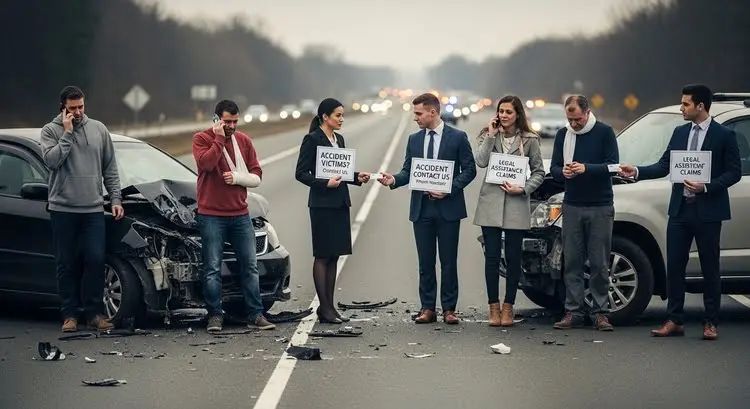
Why Truck Crashes Cause More Damages Than Other Accidents
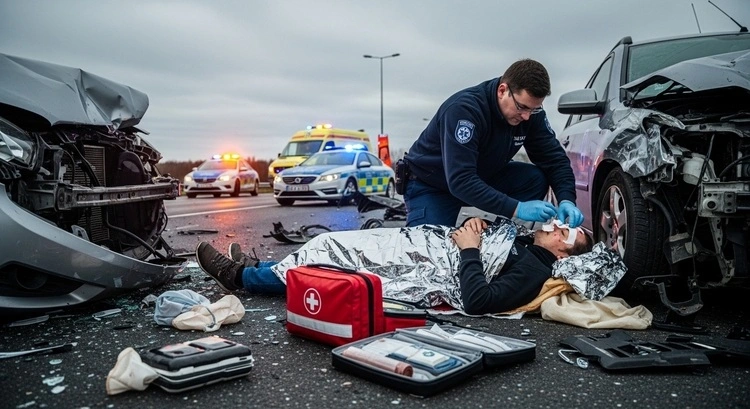
Truck crashes cause more damage than other accidents because trucks are bigger, heavier, and harder to stop. When they hit something, the force is much stronger. This often leads to serious injuries, major property damage, and longer road closures.
New Mexico is a southwestern state known for its diverse landscapes, including deserts, mountains, and wide open highways. It has a rich cultural heritage shaped by Native American, Hispanic, and Western influences. The state also serves as a key corridor for commercial trucking and interstate travel.
If you’re affected, seeking help from skilled truck accident attorneys in New Mexico can make a big difference in handling complex claims and damages.
Size and Weight Matter
A passenger car weighs about 3,000–4,000 pounds. A fully loaded commercial truck can reach 80,000 pounds under federal limits set by the Federal Motor Carrier Safety Administration. That gap changes everything.
Greater weight increases the force and impact in a collision, especially at higher speeds.
What this means for you:
- Your car absorbs more impact
- Your stopping distance is shorter than a truck’s
- You face a higher injury risk in a collision
Longer Stopping Distances
Trucks take a lot more room to come to a full stop. It’s not just about speed—it’s the weight they’re carrying.
At highway speeds, a car can usually stop within a few hundred feet. A large truck? It may need nearly double that distance. Even if the driver reacts right away, the truck keeps moving.
Federal rules like 49 CFR § 393.40 require proper braking systems, but they can’t change basic physics.
Picture this: traffic slows suddenly on a busy highway. You hit your brakes and stop in time. The truck behind you might not have that same margin. That’s how rear-end crashes with trucks often happen—and why they tend to be more serious.
Cargo Adds Risk
What a truck carries can make a bad crash worse.
Some trucks haul everyday goods. Others carry fuel, chemicals, or heavy equipment. If that load shifts or breaks loose, it can spill into the road or hit other vehicles.
Drivers are required to secure cargo under 49 CFR § 392.9, but things still go wrong. Straps loosen. Loads shift during sharp turns. Tankers can even tip over because the liquid inside the trailer moves.
Here’s what that can lead to:
- Debris scattered across lanes
- Fires or hazardous spills
- Secondary crashes as drivers try to avoid obstacles
So, it’s not just the truck itself. What it’s carrying can turn one crash into a much bigger problem.
Higher Crash Impact Zone
Truck height creates a different type of danger. Many crashes involve:
- Underride accidents (cars slide under trucks)
- Wide-turn collisions in city streets
- Blind spot crashes (no-zones)
The Insurance Institute for Highway Safety reports that underride crashes often lead to severe or fatal injuries due to direct impact with the passenger cabin.
Key blind spots to avoid:
- Directly behind the truck
- Along both sides (especially the right)
- Right in front of the cab
If you can’t see the driver’s mirrors, they likely can’t see you.
Driver Fatigue and Long Hours
Truck drivers often cover long distances. Fatigue plays a role in many crashes.
Federal Hours-of-Service rules under 49 CFR § 395.3 limit driving time, but violations still occur. Fatigue contributes to a significant number of crashes each year
Why this matters:
- Slower reaction times
- Missed hazards
- Poor decision-making
Even a brief lapse at highway speed can cause major damage.
Multi-Vehicle Chain Reactions
Truck crashes don’t usually stop with just one hit. Because of their size and momentum, things can spiral fast.
A common situation looks like this:
- A truck hits the car in front
- That car gets pushed into another
- Nearby drivers swerve and collide trying to avoid it
Within seconds, you’ve got a pileup.
Highways make this worse. Cars travel close together, and there’s little time to react. One mistake can affect several lanes at once.
The National Safety Council reports that multi-vehicle crashes often lead to more injuries and higher costs. More cars involved means more damage, more people hurt, and more complicated insurance claims.
It’s not just one crash—it’s a chain of them.
Higher Financial and Legal Impact
Truck accidents don’t just hit harder—they cost more in almost every way.
You’re not only dealing with damage to your car. Medical bills can pile up fast. If injuries are serious, recovery may take months or longer. On top of that, you might miss work or need ongoing care.
The legal side can get messy, too. It’s not always just the driver involved. You could be dealing with:
- The trucking company
- Insurance providers
- Cargo loaders or contractors
Each party may try to shift blame.
In New Mexico, fault is determined under a pure comparative negligence system established by case law, meaning your compensation can be reduced if you’re partly responsible.
So, these cases often take longer to sort out. More people involved. More rules to follow. More at stake.
Key Takeaways
- Trucks are much heavier, so the impact force is stronger.
- They need more distance to stop, especially at highway speeds.
- Cargo can shift, spill, or add danger during a crash.
- Large blind spots increase the chance of severe collisions.
- Driver fatigue still plays a role, even with federal limits.
- Crashes often involve multiple vehicles, not just one.
- Costs are higher due to injuries, damage, and complex legal claims.