What to Do If the Other Driver Blames You for the Car Accident in Los Angeles
When the other driver says the crash was your fault, the first thing to know is that blame at the scene does not settle liability. In Los Angeles, your case is usually judged under California negligence rules, insurance evidence, witness accounts, vehicle damage, medical records, and any police or traffic-collision report, not a roadside argument.
Start With The Record At The Scene
California drivers involved in a reportable collision must exchange identifying and insurance information before leaving, unless they are physically unable to do so because of the accident. That obligation applies even when the other driver is blaming you, denying fault, or insisting the crash was minor. Leaving before you provide the required information can lead to separate legal consequences apart from any later insurance dispute.
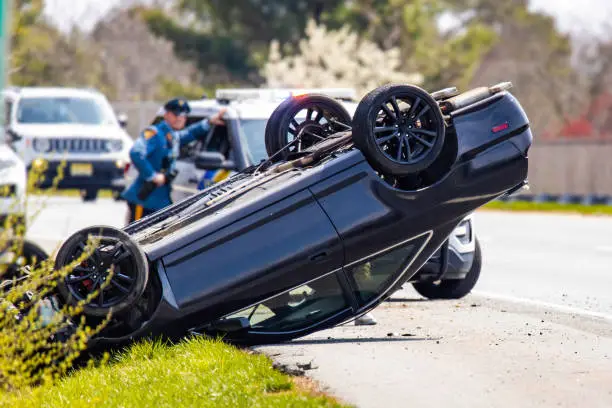
According to a car accident attorney in Los Angeles, you should also collect witness names and contact details, since neutral third-party observations can carry weight when fault is contested. Photographs taken before the vehicles are moved may help document lane position, debris, skid marks, traffic signals, signs, weather conditions, and visible damage.
Be Careful About What You Say
You do not need to argue fault on the roadside, and you do not need to accept the other driver’s version of events. Give accurate identifying information, cooperate with police, and avoid statements that sound like guesses about speed, distraction, or who “caused” the crash before the facts are sorted out.
That caution matters because insurance carriers often compare every statement made after a collision. A quick apology or a stray remark can later be framed as an admission, even when you were simply reacting to a stressful event.
Understand How Fault Works In California
California uses pure comparative negligence, which means more than one person can share legal responsibility for the same crash. Your percentage of fault can reduce your recovery, though you are not barred from seeking damages simply because the other side says you were partly or mostly at fault.
That rule often changes how blame disputes play out in Los Angeles collisions. The insurer may argue that both drivers contributed, and the outcome may turn on lane positions, signal timing, right-of-way evidence, phone records, dashcam footage, and witness credibility rather than one all-or-nothing claim.
Report The Crash The Right Way
In California, you must submit an SR-1 to the DMV within 10 days if anyone was injured or killed, or if property damage exceeds $1,000. That filing requirement applies whether or not you think you caused the collision, and it can apply even when the crash happened on private property.
The DMV filing is separate from any police report and separate from your insurance claim. Failing to file can lead to a suspension of your driving privilege, so it is worth handling early while the details are still fresh.
Deal With The Insurance Investigation Methodically
Report the collision to your insurer promptly and stick to facts you know firsthand. Dates, locations, road conditions, vehicle damage, names of witnesses, and whether officers responded are useful; speculation about what the other driver was thinking is not.
Ask for the claim number, keep copies of everything you send, and review any recorded-statement request carefully before agreeing to it. When liability is disputed, insurers usually compare repair estimates, photographs, scene measurements, medical records, and any official reports before deciding how to apportion fault.
Watch The Filing Deadlines
If the dispute is not resolved, filing deadlines matter. California courts list a two-year limitations period for personal injury claims and three years for property-damage claims in ordinary civil cases. Missing the applicable deadline can prevent you from pursuing compensation in court, even if the facts of the crash support your position.
There are exceptions, and some shorten the timeline. If the vehicle that hit you belonged to a city, county, transit agency, or another public entity, special government-claim rules can apply long before the standard civil deadline runs out, so the calendar should be checked early.
When A Blame Dispute Starts Affecting Your Claim
A blame dispute becomes more serious when injuries are substantial, the police report is unfavorable, witnesses disagree, or the insurer alleges comparative fault to cut the payout. In those situations, legal help after a car accident often comes up because the dispute may involve additional records, coverage issues, and competing versions of events. It also matters when a commercial vehicle, rideshare driver, government vehicle, or multiple-car collision is involved, because those cases often add extra layers of documentation.
At that point, the practical issue is evidence preservation. Vehicle data, surveillance video, business records, and witness statements can become harder to obtain as time passes, which can make a disputed-fault case harder to prove even when the other driver’s version is weak.
Why The Next Steps Matter
When another driver blames you for a Los Angeles crash, the useful response is a disciplined one: secure the scene, document the facts, make the required reports, and keep your statements precise. California law does not let the loudest driver decide fault, and a claim usually turns on records, deadlines, and evidence that can be checked against the legal standards that apply to the collision.