What Counts as Property Damage in a Car Accident
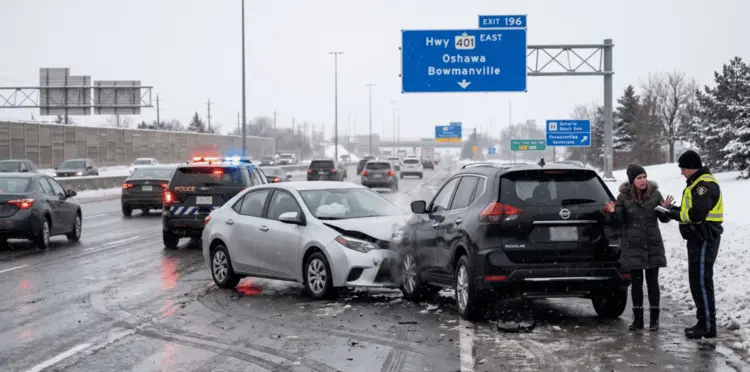
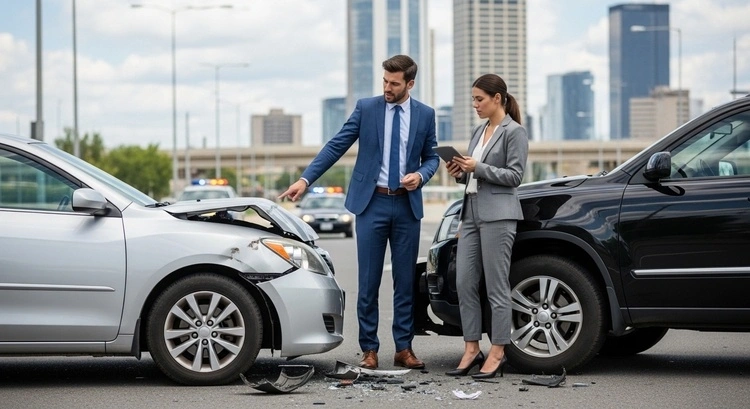
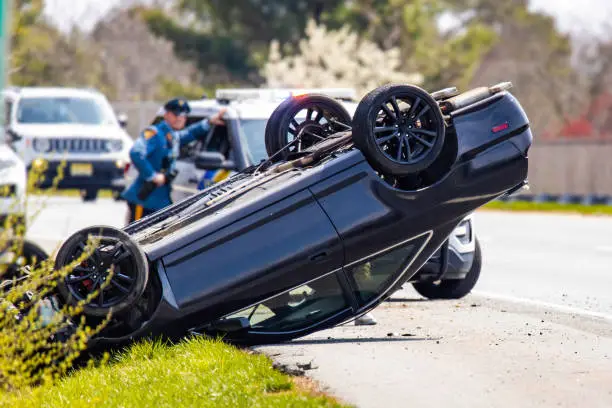
Property damage in a car accident includes any harm or destruction to vehicles, personal belongings, or other physical property caused by the collision. This can involve scratches, broken windows, dents, or damage to fences, mailboxes, or street signs. Understanding what qualifies as property damage is essential for insurance claims and legal purposes.
One important aspect for accident victims is understanding the process of claiming property damage. Knowing which damages are covered, how to document them, and how to submit a claim helps ensure you receive fair compensation. Properly following this process can prevent disputes with insurance companies and speed up recovery from the accident.
Key Facts About Property Damage in a Car Accident
Understanding property damage after a car accident is essential to ensure proper repairs, accurate insurance claims, and protection of your assets.
Types of Property Damage
Property damage can go beyond your vehicle and include personal items and third-party property. This can include:
- Vehicle damage: body, engine, tires, windows
- Personal items: electronics, luggage, clothing
- Third-party property: fences, mailboxes, street signs, buildings
Identifying all affected property early prevents overlooked losses and ensures every claimable item is considered.
Documenting Property Damage
Proper documentation provides a clear record of the accident and strengthens your claim. To capture the damage effectively:
- Take detailed photos of all affected areas, including wide shots and close-ups.
- Record the time, date, and location of the accident.
- Collect witness statements if available
- Keep repair estimates and receipts for all replacements or repairs.
Reporting the Damage to Your Insurance Company
Timely reporting ensures that claims are processed efficiently and fairly. When notifying your insurer:
- Provide a detailed description of the damage
- Attach all photos and supporting evidence
- Follow your insurer’s instructions to ensure proper handling of the claim
Understanding Coverage Limits
Knowing the specifics of your policy prevents surprises during repair or reimbursement. Key considerations include the following:
- Collision coverage limits
- Deductibles that apply to repairs
- Any exclusions for certain property types or damages
Being aware of coverage limits allows you to plan for out-of-pocket expenses and avoid denied claims.
Getting Professional Assessments
Significant damage may hide underlying issues not visible initially. Certified mechanics or licensed contractors can:
- Provide accurate repair estimates
- Detect structural or mechanical issues
- Offer expert reports that support insurance claims
Avoiding Common Mistakes
Even small oversights can reduce your claim or lead to financial loss. Avoid:
- Delaying reporting damage
- Ignoring minor damages that may worsen
- Accepting settlement offers without reviewing repair needs thoroughly
Maintaining Evidence for Legal Protection
Property damage claims can sometimes involve disputes with other drivers or insurers. Preserving evidence ensures your case is protected. Important steps include:
- Keeping damaged vehicle parts until the claim is resolved
- Storing damaged personal items or photographs securely
- Maintaining a chronological record of all repairs, communications, and expenses
This documentation can serve as proof if there are disagreements over liability or compensation, providing legal and financial security.
Communicating Effectively With Your Insurance Adjuster
Clear communication with your insurance adjuster helps prevent misunderstandings or delays in claims. Tips include:
- Provide concise, factual information about the damage
- Ask clarifying questions about coverage, timelines, and repair processes
- Keep a written record of all conversations, emails, and letters
Effective communication ensures that your claim is processed correctly and that no critical details are overlooked.
Preparing for Potential Out-of-Pocket Costs
Even with insurance, some repairs or replacement costs may not be fully covered. Preparing financially can prevent stress later:
- Understand your deductible and any coverage gaps
- Keep a reserve fund for repair costs or temporary transportation
- Request detailed repair estimates to anticipate expenses
Planning for potential out-of-pocket costs helps you avoid unexpected financial strain while your claim is being processed.
Final Takeaways
- Property damage in a car accident includes damage to vehicles, personal items, and third-party property.
- Proper documentation is key to a smooth process of claiming property damage.
- Notify your insurance company promptly and understand your policy limits.
- Professional assessments can help ensure fair compensation.
- Avoid common mistakes like delaying claims or overlooking minor damage to protect your rights and finances.