What to Expect After a Car Crash in Kissimmee, Florida
If you’ve just been in a car crash in Kissimmee, you’re likely feeling overwhelmed and unsure of what steps to take next. Knowing how to handle the situation calmly can protect your health, legal rights, and finances. From ensuring safety at the scene to managing medical care and insurance claims afterward, there’s a clear process to follow. Understanding what comes next can make a difficult time more manageable—but where do you begin?
Immediate Actions to Take at the Scene of a Crash
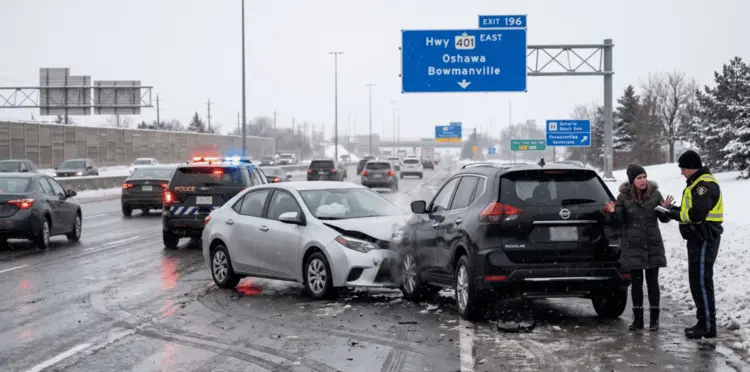
The first few minutes after a car crash are vital, and knowing exactly what to do can make a significant difference. First, guarantee your safety and that of others by following essential safety precautions—turn on your hazard lights and, if possible, move vehicles out of traffic. Check yourself and passengers for injuries and call for medical help if needed. Avoid moving seriously injured individuals unless there’s an immediate danger. Next, seek witness cooperation by calmly asking bystanders for their contact information and observations. Their statements can be vital later. While waiting for emergency responders, remain at the scene and avoid admitting fault. Staying composed and following these steps helps protect everyone involved and sets the foundation for an accurate and fair resolution.
Reporting the Accident to Kissimmee Police
Once you’ve confirmed everyone’s safety and gathered necessary information at the scene, your next step is to report the accident to Kissimmee Police. Filing reports promptly is vital, as police procedures require an official record for insurance claims and can directly affect your available car crash injury legal options. When officers arrive, provide them with accurate details and answer their questions calmly to guarantee the report reflects the incident correctly. You may also be asked to provide your driver’s license, registration, and proof of insurance. Cooperating fully with law enforcement helps streamline the investigation and preserves documentation that may be important later. If for some reason the police don’t come to the scene, you should still file a report at the local police station within 24 hours, following Kissimmee’s specific filing procedures.
Seeking Medical Attention and Documentation
How soon should you seek medical attention after a car crash? Ideally, you should get evaluated immediately—even if you feel fine—to identify hidden injuries. Prompt medical evaluations are vital for your health and insurance claims. When you visit a healthcare provider, they’ll assess your condition and discuss treatment options tailored to your needs.
Be certain to document everything carefully. This includes:
- Detailed notes on your symptoms and pain levels
- Copies of medical reports and diagnostic test results
- Records of all treatments and follow-up appointments
- Prescriptions and medication information
- Any recommendations for physical therapy or specialist visits
Keeping thorough documentation helps guarantee you receive proper care and supports your case if legal or insurance matters arise.
Collecting Evidence and Contact Information
Although it might be difficult immediately after a crash, gathering evidence and contact information is crucial for protecting your interests. Start by taking clear accident photos from multiple angles, capturing vehicle damage, license plates, and the surrounding scene. These images can be invaluable when filing claims or working with legal professionals. Next, collect contact details from all involved drivers and passengers. Don’t forget to ask bystanders for their witness statements and contact information, as impartial accounts can support your case. Be certain to write down names, phone numbers, and insurance details accurately. This thorough collection of evidence and contacts helps clarify the incident and guarantees you have the necessary documentation to move forward confidently after the crash.
Notifying Your Insurance Company
After gathering all necessary evidence and contact details, the next step is to notify your insurance company about the accident. Reporting the incident promptly helps guarantee your insurance claim is processed efficiently and clarifies your policy coverage. When you contact your insurer, be ready to provide clear and accurate information.
Here’s what you’ll typically need to share:
- Date, time, and location of the crash
- Description of how the accident happened
- Details of all parties involved
- Photos of vehicle damage and any injuries
- Police report number, if available
Understanding Florida’s No-Fault Insurance Law
Understanding Florida’s no-fault insurance law is essential after a car accident, as it affects how you file claims and receive compensation. This law requires you to rely on your own Personal Injury Protection (PIP) coverage, regardless of who caused the crash. No fault benefits typically cover immediate medical expenses and lost wages up to your policy limits. When you file insurance claims, you’ll submit them to your insurer first, which can speed up the process. However, this system means you generally can’t sue the other driver unless your injuries meet specific thresholds. Knowing these details helps you navigate the aftermath more confidently, ensuring you access the no-fault benefits you’re entitled to without unnecessary delays or confusion.
Dealing With Property Damage and Vehicle Repairs
Once you’ve addressed the insurance claims for medical expenses under Florida’s no-fault law, the next step is handling the property damage to your vehicle. You’ll want to start with a thorough vehicle assessment to determine the extent of damage. This helps in obtaining accurate repair estimates from trusted mechanics or body shops. Keep detailed records and photos as evidence for your insurance claim. Be prepared to review multiple repair estimates to guarantee fair compensation. Remember, timely action can prevent further issues and expedite your vehicle’s return to the road.
- Inspect dents, scratches, and broken parts closely
- Take clear photos from multiple angles
- Collect written repair estimates from certified shops
- Communicate openly with your insurer about damages
- Keep receipts for any temporary fixes or towing fees
Legal Rights and When to Consult an Attorney
Although you might feel overwhelmed dealing with insurance and repairs, knowing your legal rights is vital to protect yourself after a car crash. If you’ve suffered injuries or significant damages, seeking legal representation can help guarantee your interests are safeguarded. An attorney will guide you through the consultation process, explaining your options and evaluating the strength of your case. It’s wise to consult a lawyer early if fault is disputed or insurance companies seem uncooperative. Legal representation can assist in negotiating fair settlements and prevent you from unintentionally forfeiting your rights. Remember, timely consultation helps preserve essential evidence and meet filing deadlines, so don’t hesitate to reach out for professional advice to navigate this challenging time effectively.
Navigating Medical Claims and Treatment Follow-up
After a car crash, you’ll need to understand how insurance claims work and keep your medical records organized to support your case. Staying on top of scheduling follow-up appointments guarantees your recovery stays on track and any ongoing issues are addressed promptly. Being proactive with these steps can help ease the stress of managing your treatment and claims process.
Understanding Insurance Procedures
When dealing with insurance procedures following a car crash, understanding how to navigate medical claims and treatment follow-up is essential for your recovery and financial protection. You’ll need to file an insurance claim promptly and verify your policy coverage to guarantee your medical expenses are covered. Keep detailed records of all treatments and communicate openly with your healthcare provider and insurer.
Here’s what to focus on: – Submitting accurate medical bills and reports – Understanding what your policy covers and any limits – Following up on claim status regularly – Documenting all medical visits and treatments – Responding quickly to insurer requests for information
Coordinating Medical Documentation
Managing your medical documentation effectively plays a key role in ensuring your insurance claims proceed smoothly and your treatment is properly tracked. After a car crash, you’ll need to organize and maintain accurate medical records, including doctors’ notes, test results, and billing statements. This documentation process helps you provide clear evidence of your injuries and treatments when dealing with insurance companies. Be proactive by requesting copies of all relevant records from your healthcare providers and keep them in a secure, accessible place. Staying on top of this paperwork reduces delays and confusion, making it easier to navigate medical claims. Remember, thorough and timely documentation not only supports your recovery but also protects your rights throughout the claims process.
Scheduling Follow-Up Appointments
Although it might feel overwhelming, scheduling follow-up appointments is essential to monitor your recovery and guarantee your treatment plan stays on track. Staying consistent with your follow up care helps your medical providers assess progress and adjust treatments as needed. To make this easier, set up appointment reminders—whether on your phone or calendar—to avoid missing critical visits. Regular follow-ups also assure your medical records remain updated for insurance and legal purposes.
Consider these steps for effective follow-up scheduling: – Confirm appointment dates before leaving the clinic – Note any special instructions for each visit – Use digital reminders to stay on track – Communicate any new symptoms promptly – Keep a dedicated folder for all medical paperwork
This approach supports your healing and claim process smoothly.
Steps to Take for Emotional and Financial Recovery
Because recovering from a car crash involves more than just physical healing, it’s important to address both your emotional well-being and financial stability. Seeking emotional support from friends, family, or professionals can help you process trauma and reduce stress. Don’t hesitate to reach out if feelings of anxiety or depression persist. On the financial side, careful financial planning is essential. Start by documenting all expenses related to the accident, including medical bills and vehicle repairs. Contact your insurance company promptly to understand your coverage and claims process. Consider consulting a financial advisor or legal professional if you face challenges managing costs or negotiating settlements. Taking these steps guarantees you’re better equipped to recover fully and protect your long-term interests after the crash.
Frequently Asked Questions
How Long Do I Have to File a Personal Injury Claim in Florida?
You typically have four years under Florida’s statute of limitations to file a personal injury claim. Don’t wait too long—missing these filing deadlines can jeopardize your case, so it’s wise to act promptly and consult an attorney.
Can I Sue for Pain and Suffering After a Kissimmee Car Accident?
Yes, you can sue for pain compensation after a Kissimmee car accident. This includes physical pain and emotional distress caused by the crash. It’s important to document your injuries and consult a qualified attorney promptly.
What Happens if the Other Driver Is Uninsured or Underinsured?
If the other driver’s uninsured or underinsured, you’ll want to rely on your uninsured motorist or underinsured coverage. This helps cover your medical bills and damages when the at-fault party can’t fully pay.
Will My Car Insurance Rates Increase After a Crash in Kissimmee?
Yes, your rates might increase after a crash in Kissimmee. Insurance premium factors include your claim history and accident claim process details. Understanding these helps you manage expectations and prepare for potential premium adjustments.
Are There Local Support Groups for Car Accident Victims in Kissimmee?
Yes, Kissimmee offers support networks and victim resources to help you cope after a car accident. You can connect with local support groups through community centers or online platforms tailored to accident victims’ recovery and assistance.