Common Reasons Why Intersection Accidents Occur
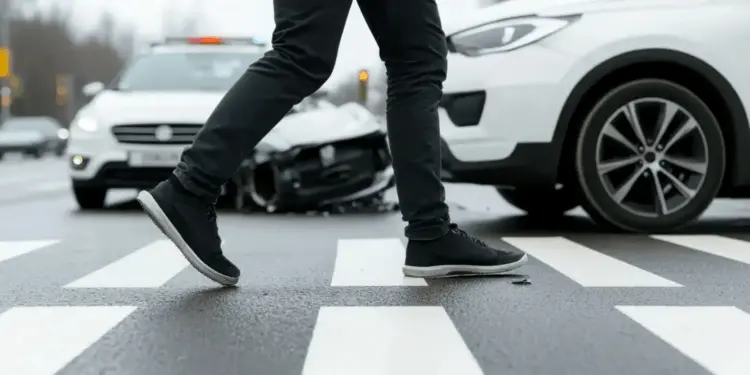
Intersections are essential to smooth traffic flow in our daily lives. However, they are among the most dangerous spots on the streets. Millions of vehicles, as well as pedestrians, merge at intersections daily. Often, pedestrians crossing the street may not be visible to drivers.
Unfortunately, routine road crossings can turn into tragedies due to driver negligence. This negligence often stems from impatience, split attention, and a lack of road awareness. Understanding the common reasons behind intersection crashes can help drivers prevent such incidents and prioritize the safety of others as well as themselves.
What Causes Intersection Accidents on Roads?
Here are some of the common reasons for intersection crashes.
1. Failure to Yield the Right of Way
Another frequent reason responsible for intersection accidents is the failure to yield, especially while taking left turns or at uncontrolled intersections. Drivers sometimes fail to notice pedestrians and cyclists crossing the streets. They may also misjudge the speed of oncoming traffic. In many cases, the issue stems from recklessness, poor judgment, and a lack of patience while driving.
2. Running Red Lights or Stop Signs
Running red lights or stop signs is one of the most common causes of intersection crashes. FHWA statistics suggest that someone runs a red light every 20 minutes. Drivers trying to run a red light or ignore a stop sign often end up crashing into vehicles that have the right of way. This often results in devastating T-bone crashes. Such accidents are especially dangerous because the sides of vehicles offer far less protection than the front or rear.
3. Distracted Driving
Distracted driving continues to be a growing issue on the streets, making it the leading cause of all fatal car accident deaths. Drivers may be engaged in activities like eating, checking phones, or adjusting in-car systems while driving, which takes away their attention. Driving at intersections requires quick decision-making, such as the driver stopping in time or yielding correctly. Momentary distractions can affect this decision-making and lead to a crash.
4. Excessive Speeding
Speeding is a major cause of concern behind intersection accidents. Speeding at intersections leaves little time to react to changes, such as crossing pedestrians or stopped vehicles. This is especially hazardous in residential areas and school zones.
5. Poor Visibility Conditions
A key factor involving intersection safety is visibility. It can be difficult for drivers to see pedestrians, traffic signs, or other vehicles while facing sun glare, fog, heavy rain, or poorly lit streets. In certain cases, overgrown trees, roadside structures, or parked vehicles may block sightlines, increasing the risk of accidents. Drivers failing to slow down or stay alert under such conditions put themselves and others at risk.
6. Driving Under the Influence or Fatigue
Driving impaired by alcohol and drugs or under severe fatigue can negatively affect judgment, decision-making, and reaction time. Impaired drivers are more likely to ignore traffic signals, misjudge distances, or make sudden movements at intersections. Fatigue can be just as risky, as it can delay reactions and cause lapses in attention.
7. Illegal or Unsafe Turns
Taking illegal or unsafe turns, such as wide turns, sudden U-turns, or failing to signal correctly, can create confusion among other drivers and affect traffic flow. Drivers acting unpredictably at intersections make it difficult for other drivers to respond safely, increasing the risk of crashes.
Final Takeaways
- Most intersection accidents are preventable. Staying attentive and following traffic laws can significantly reduce these risks.
- Intersections demand extra caution and patience. Slowing down, scanning carefully, and anticipating potential hazards ensure safe navigation.
- Careful driving, right decisions, and respect for right-of-way rules can help drivers prevent serious accidents.