What Signs Show a Car Seat Must Be Replaced?
A car seat must be replaced when it is no longer safe for a child. A seat that is damaged, expired, or too old cannot protect well in a crash. Knowing the signs helps parents make safe choices.
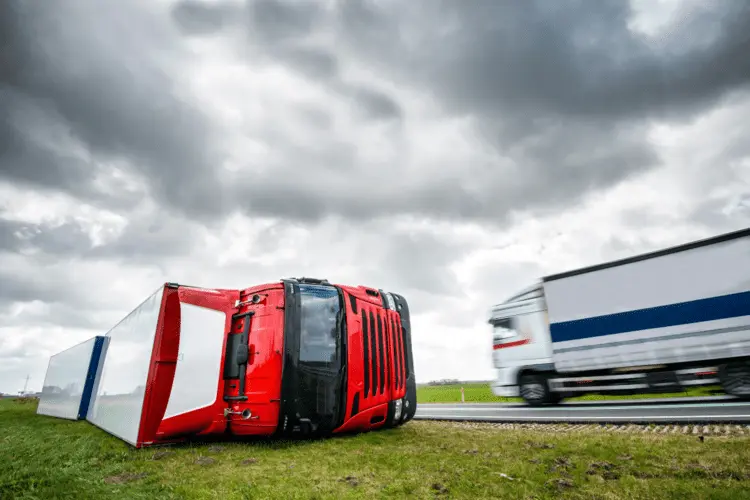
Sometimes a seat has to be changed because of damage from an accident. This is why many safety experts warn parents to replace a car seat after a crash. Even when the seat looks normal, it may be weak inside and unable to protect a child in another accident.
Why Is It Important to Replace Your Car Seat?
Car accidents are the leading cause of accidents. The state of the seats also contributes to the impact of an accident. Safety parts, such as the seats, wear out or break over time. Once the structure weakens, it cannot absorbthe crash force the same way. This increases the risk of injury even in a less serious crash.
A seat in poor condition does not do its job. The padding may be thin, the harness may slip, or the shell may crack. A strong and healthy seat spreads crash forces across safer parts of the body, and a weak seat cannot do this well.
What Signs Show that a Car Seat Must Be Replaced?
There are clear warning signs that a car seat is no longer safe to use. When any of these appear, the safest choice is to replace the seat. Below are six major signs and simple explanations:
1. The Car Seat Has Been in a Crash
A seat involved in a crash may look fine from the outside. Inside, the shell can be stressed or cracked. Crash energy changes the structure even when you cannot see damage.
Replace after moderate or severe crashes.
2. The Seat Is Past Its Expiration Date
Car seats are not designed to last forever. They have expiration dates printed on the label or molded into the shell. Heat, sunlight, and daily wear weaken the materials slowly.
Most seats expire between 6 and 10 years from the manufacturer’s date. Expired plastic is more likely to crack. Expired foam does not absorb crash energy as well.
3. The Harness Straps Are Damaged
Harness straps hold the child firmly during a crash. If these straps fail, the child can be thrown forward or move too far. This makes injuries more likely.
Do not repair straps with tape, glue, or sewing. Home fixes make the seat unsafe.
4. The Plastic Shell Is Cracked or Warped
The plastic shell is the main structure of the car seat. It spreads crash forces across the seat instead of the child’s body. When the shell is damaged, protection is lost.
Cracks can be small or hidden under fabric. If you suspect damage, the safest action is replacement.
5. The Buckles or Chest Clip Do Not Work Properly
Buckles and chest clips must snap and release correctly. They keep the harness in the right position. If they break, loosen, or jam, the seat cannot hold the child safely.
Food crumbs, dirt, and liquids can cause problems. If gentle cleaning does not fix the issue, replacement is usually needed.

Image source: Freepik
6. Parts Are Missing, or the Seat Has Been Modified
Every part of the seat serves a purpose. Missing or altered pieces affect how the seat protects a passenger. Home fixes often create new dangers. Only parts approved by the manufacturer are safe to use.
Final Thoughts
Car seats protect children when accidents happen. They only work well when they are strong, complete, and undamaged. Watching for warning signs and replacing seats when needed helps keep every ride safer.
Key Takeaways
- Replace seats involved in moderate or severe crashes.
- Look for cracks, damage, or warped plastic.
- Replace expired or very old seats.
- Replace when straps are frayed or stretched.
- Replace seats with broken buckles or missing parts.
- Follow the manufacturer’s rules after crashes