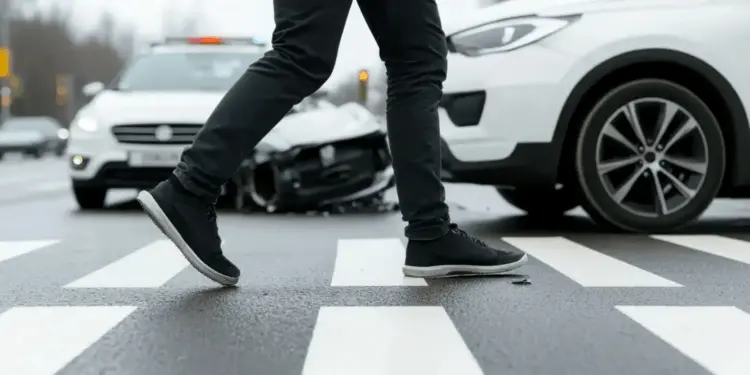
Can a Pedestrian Be Held Responsible for a Traffic Accident?
Yes, a pedestrian can be held responsible for a traffic accident in certain situations. While drivers are generally expected to watch for pedestrians, the law also requires pedestrians to act reasonably and follow traffic rules.
Many people wonder what happens if a pedestrian causes an accident. Understanding this can help clarify liability and insurance responsibilities. Pedestrians have a legal duty to exercise caution when crossing streets, walking along roads, or using crosswalks.
If they act negligently, such as crossing against a signal or stepping into traffic unexpectedly, they may be partly or fully responsible for an accident. Liability can affect both the pedestrian’s and the driver’s insurance claims and potential compensation.
Knowing how responsibility is determined helps both pedestrians and drivers protect their rights and understand what evidence is needed in case of an accident. It also sheds light on how courts and insurance companies evaluate negligence.
Pedestrian Duty of Care
Pedestrians, like drivers, owe a duty of care to others on the road. This duty requires them to:
- Obey traffic signals and pedestrian signs.
- Use crosswalks where available.
- Look both ways before crossing streets.
- Avoid distractions, such as texting while walking.
Failure to follow these rules can contribute to accidents and reduce a pedestrian’s claim for damages or even make them liable for harm caused to others.
Comparative Fault and Shared Responsibility
Many states, including Idaho, use comparative fault rules in accident cases. This means that fault can be shared between the pedestrian and the driver based on their respective actions.
For example:
- If a pedestrian jaywalks and a driver hits them while speeding, both may share responsibility.
- If a driver runs a red light and hits a pedestrian crossing legally, the driver is usually fully at fault.
Determining comparative fault can affect settlement amounts and compensation for injuries. Insurance adjusters and courts examine evidence like witness statements, traffic cameras, and police reports to assign responsibility.
How Liability Affects Insurance Claims

When a pedestrian contributes to an accident, their ability to recover damages may be reduced. Insurance companies consider the pedestrian’s role in causing the accident, which can influence:
- The total settlement amount
- Whether claims are denied
- How much compensation is available for medical bills, lost wages, and pain and suffering?
Drivers’ insurance may cover injuries, but if a pedestrian is partially at fault, their compensation could be reduced proportionally. Pedestrians may also face liability claims if they injure a driver or passengers by acting negligently.
Common Situations Where Pedestrians May Be Responsible
Pedestrians may be held responsible in accidents under certain conditions, such as:
- Crossing outside of a crosswalk or against a signal
- Entering the road suddenly from between parked cars
- Distracted walking, including using a phone or headphones
- Failing to yield in areas where vehicles have the right-of-way
Even minor negligence can play a role in determining fault and affect the outcome of a personal injury claim.
Evidence That Determines Pedestrian Liability
Accurate evidence is crucial to determine whether a pedestrian contributed to an accident. Key types of evidence include:
- Police reports documenting the scene
- Photos of road conditions, traffic signs, and crosswalks
- Surveillance or traffic camera footage
- Eyewitness statements
- Medical records showing injury severity
Insurance companies and courts rely on this evidence to determine responsibility and calculate damages.
Steps Pedestrians Should Take After an Accident
If you are a pedestrian involved in a traffic accident:
- Seek medical attention immediately.
- Document the accident scene with photos or video.
- Collect witness information.
- Notify your insurance company, if applicable.
- Avoid admitting fault at the scene.
- Consult a personal injury attorney to understand your rights.
Taking these steps ensures your safety and preserves your ability to recover compensation while minimizing liability risks.
Key Takeaways
- Pedestrians can be held responsible if they act negligently or break traffic rules.
- Comparative fault rules may reduce compensation if both the pedestrian and driver share responsibility.
- Obeying traffic signals and using crosswalks reduces the risk of accidents.
- Insurance companies evaluate pedestrian actions when determining settlement amounts.
- Evidence such as police reports, photos, and witness statements is critical.
- Prompt medical attention and proper documentation protect your rights.
- Consulting an attorney helps navigate liability and potential compensation claims.