What Are Some Common Causes of Single-Vehicle Accidents?

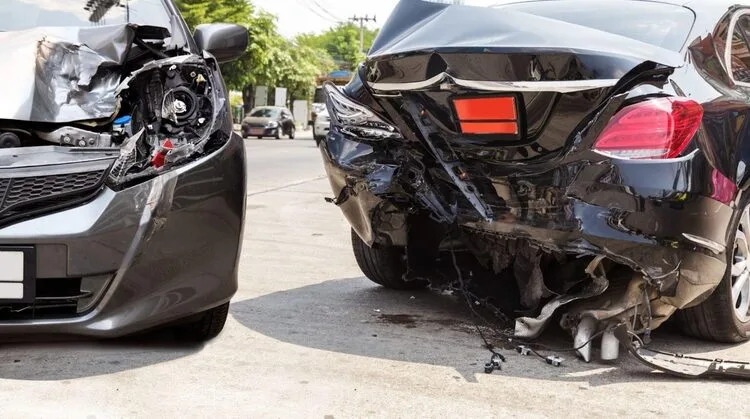
A single-vehicle accident is exactly what it sounds like — a crash involving just one vehicle. Maybe a car hits a tree, slides into a ditch, or loses control on a curve. These aren’t rare or minor events. They happen every day, and often with serious consequences.
What makes a single-vehicle accident different is that there’s no other driver to share the blame. It’s usually just you, your car, and the road. That can make these crashes feel confusing or unfair. One moment everything’s fine, and the next, you’re spinning out or off the shoulder.
Still, there’s almost always a reason behind it. Speed, distraction, weather, or a quick mistake — something tips the balance. Knowing what causes these accidents can help you spot the warning signs before things go wrong.
Common Causes of Single-Vehicle Accidents
Not every crash involves another car. Sometimes, one small mistake—or one bad condition—is all it takes. Below are the main reasons single-vehicle accidents happen and how you can avoid them.
1. Speeding and Loss of Control
Driving too fast is one of the biggest causes of solo crashes. When you exceed the posted speed limit, you shorten your reaction time and make it harder to handle curves or sudden changes on the road.
Most states in the U.S. have explicit rules about speeding: drivers must go at a “reasonable and prudent” pace for the conditions. California Vehicle Code §22350 stipulates, for instance, that you can’t drive faster than is safe for the weather, visibility, and traffic. That implies that even if the sign says 65 mph, you could still be breaking the law if you drive that fast on wet pavement.
Tip: Slow down before you go around a bend and when the roads are wet.
2. Distracted Driving
Phones, GPS screens, food, even reaching for something in the seat next to you—all can pull your attention away long enough to crash. It takes only a few seconds of distraction for a car to drift off the road.
Most states ban texting while driving under “hands-free” or “no handheld device” laws. These laws aim to stop crashes where attention, not another driver, is the problem.
Common distractions include:
- Texting or scrolling
- Adjusting the radio or music
- Talking to passengers
- Daydreaming or fatigue
3. Drowsy or Impaired Driving
Falling asleep or driving under the influence can easily cause a single-vehicle accident. Alcohol and drugs—prescription or otherwise—slow reflexes and impair judgment.
Driving while impaired is illegal everywhere under state DUI laws. Even small amounts of alcohol can affect your control, especially at night or on rural roads.
Signs you shouldn’t drive:
- Trouble focusing
- Heavy eyelids
- Drifting in your lane
- Missing road signs or turns
4. Poor Weather and Road Conditions
Rain, snow, fog, and ice make the road unpredictable. Hydroplaning can send your car spinning, and black ice can turn braking into sliding. Even dry conditions can hide hazards like potholes or loose gravel.
Quick safety tips:
- Make your following distance longer.
- Don’t make quick stops or sharp bends.
- Check the tread on your tires and make sure they are properly inflated.
5. Issues with the Car
The problem isn’t always the driver; it may be the car. You can lose control if your brakes are worn out, your tires are bald, or your steering isn’t working right. Many of these crashes can be avoided with regular maintenance.
Common mechanical culprits:
| Problem | Risk |
| Tire blowout | Sudden loss of control |
| Brake failure | Inability to stop in time |
| Steering issues | Drifting or overcorrection |
Staying Aware
Most single-vehicle accidents come down to control—losing it, regaining it too late, or never having enough time to react. Whether it’s a distraction, a slick road, or a moment of fatigue, the outcome is the same: one car, one mistake, one crash.
Staying alert, following speed laws, and maintaining your car can keep you out of that situation. Awareness is the simplest, strongest defense against a single-vehicle accident.
Quick Recap
- Speeding reduces control and increases crash risk, even within posted limits.
- Distractions like texting or eating pull your eyes and mind off the road.
- Drowsy or impaired driving slows reaction time and judgment.
- Bad weather and poor road conditions make traction unpredictable.
- Vehicle issues—especially brakes and tires—can cause sudden loss of control.
Staying focused, slowing down, and keeping your vehicle in shape are the easiest ways to avoid a single-vehicle accident.