What to Do After a Car Accident in Oshawa: A Complete Recovery Guide for 2026
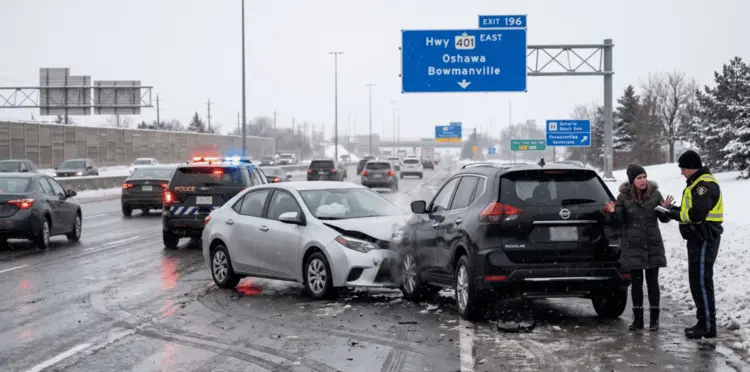
Car accidents can happen in an instant, turning an ordinary drive through Oshawa into a stressful and life-disrupting event. Whether it is a rear-end collision on Highway 401 near the Stevenson Road exit, a side impact crash at the busy intersection of King Street and Simcoe Street, or a winter slide on Lake Ridge Road, the minutes and hours that follow are critical. In Ontario, motor vehicle collisions remain one of the leading causes of injury and financial stress for families. According to recent provincial data, the Durham Region sees thousands of reportable accidents each year, with a significant portion occurring in Oshawa and surrounding communities. These incidents affect not only physical health but also emotional well-being, insurance records, and household budgets for thousands of local residents every year.
Navigating the aftermath requires clear information, practical steps, and access to trusted local professionals who understand the unique challenges of recovering in the Greater Toronto Area. From immediate safety measures to long-term vehicle repair and financial recovery, having the right knowledge can make the difference between prolonged stress and a smoother path back to normal life. This comprehensive guide draws on years of hands-on experience helping Oshawa and Durham Region drivers through the entire process. It offers practical, up-to-date advice tailored to the realities of driving in this growing community in 2026.
Immediate Actions at the Scene of a Car Accident in Oshawa
The first priority after any collision is safety. If you are able to move your vehicle without causing further danger, pull over to the shoulder or into a nearby parking area and activate your hazard lights. In high traffic zones like the 401 or Taunton Road, staying in the lane can create secondary accidents, so moving safely is essential. Check yourself and any passengers for injuries and call 911 immediately if medical attention is needed. Even if injuries seem minor at first, it is wise to get checked at a local hospital or walk-in clinic because some issues, such as whiplash or internal injuries, may not show symptoms right away.
Next, document everything thoroughly while the scene is still fresh. Use your phone to take clear photos of all vehicles involved, license plates, road conditions, traffic signals, weather, and any visible damage. Exchange information with the other driver or drivers, including full names, contact details, insurance policy numbers, and vehicle descriptions. If there are witnesses, collect their names and phone numbers as well. In Oshawa, where collisions often occur near busy commercial areas or during rush hour on major routes, having detailed documentation helps speed up the insurance claims process later and strengthens your position.
One of the most urgent practical needs is safely removing vehicles from the roadway. Professional Oshawa accident recovery services play a vital role here, using specialized equipment and trained operators who understand how to minimize additional damage to modern vehicles with sensitive safety systems and advanced driver assistance technology. For accidents further east in the Durham Region, reliable Bowmanville accident recovery towing ensures the same level of care and efficiency, getting your vehicle to a trusted repair facility without unnecessary delays or extra towing fees.
Understanding the Insurance Claims Process in Ontario
Ontario operates under a no-fault insurance system, which means your own insurer typically handles your initial claim regardless of who was at fault. You generally have seven days to report the accident to your insurance company, but contacting them as soon as possible leads to faster support and fewer complications. Provide the police report if one was filed, photographs, witness statements, towing receipts, and any medical documentation.
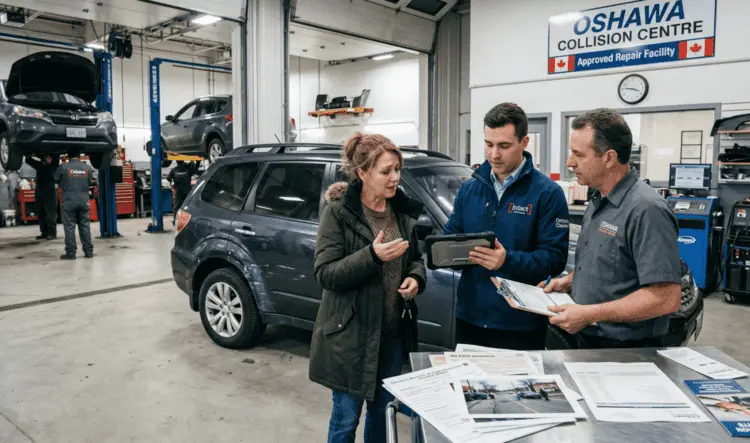
Many drivers in Oshawa and the surrounding area are surprised to learn they have the legal right to choose their own collision repair centre rather than being directed to an insurer’s preferred shop. A reputable independent facility will work directly with adjusters to ensure repairs meet or exceed factory standards while advocating for fair treatment throughout the process. This choice can significantly affect both the quality of repairs and the overall timeline of your recovery.
The Professional Collision Repair Process Explained
Once your vehicle reaches a qualified collision repair centre, the process begins with a thorough damage assessment using state-of-the-art diagnostic tools. Modern vehicles contain numerous sensors, cameras, and computerized systems that require precise recalibration after even minor impacts. In Oshawa car accident repair situations, technicians often discover hidden structural damage that is not visible to the untrained eye.
The repair journey typically includes frame straightening on specialized equipment, replacement of damaged panels, precise colour matching using computerized paint systems, and restoration of all safety features. For vehicles involved in more serious collisions, additional steps such as structural reinforcement and advanced driver assistance system recalibration become necessary to restore the car to pre-accident safety and performance levels. Durham Region collision repair experts who stay current with evolving vehicle technology deliver results that protect both your investment and your family’s safety on the road.
Throughout the repair process, clear and consistent communication keeps you informed about timelines, parts availability, and any unexpected discoveries. A good auto body shop in Oshawa treats every customer as an individual, understanding that your vehicle is more than just transportation. It is part of your daily life and responsibilities.
Financial and Emotional Recovery After an Accident
The financial impact of a car accident extends far beyond vehicle repairs. Medical expenses, lost wages, rental car costs, and increased insurance premiums can create significant stress for families already dealing with the disruption. Strategic planning and access to the right resources help manage these burdens effectively. Many families in the Durham Region find that working with experienced professionals who understand both collision repair and the broader recovery process leads to better outcomes and a faster return to normal life.
On the emotional side, it is completely normal to experience anxiety, difficulty concentrating, or even post-traumatic stress after a serious collision. Local support services and open conversations with your repair team can help reduce some of that burden by providing clear timelines and realistic expectations.
Preventing Future Accidents and Protecting Your Vehicle
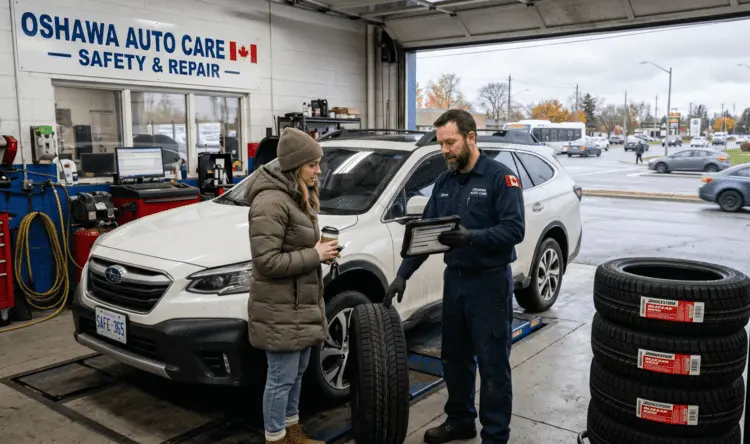
While no one can completely eliminate the risk of being involved in a collision, certain habits significantly reduce your chances. Regular maintenance, seasonal tire changes, defensive driving techniques, and staying alert in high-traffic Oshawa corridors all contribute to safer driving. After an accident, having your vehicle thoroughly inspected, even if damage appears minor, helps catch any developing issues early and prevents more costly problems down the road.
Frequently Asked Questions
Call the police immediately to file a report. Even if the other driver leaves the scene, your documentation, photos, and the police report will strengthen your insurance claim and help protect your rights.
Timelines vary based on the extent of damage. Minor cosmetic repairs may take 3 to 7 business days, while major structural or multi-panel damage can require 2 to 6 weeks. A detailed assessment from your chosen collision repair centre will provide a realistic schedule tailored to your specific situation.
Yes. Ontario law protects your right to select the repair facility you trust. Insurance companies cannot force you to use their preferred shop, and choosing an experienced independent centre often results in higher quality repairs and better communication throughout the process.
It depends on several factors, including whether you were at fault and your overall driving record. Not every claim leads to a rate increase, especially when you were not responsible for the collision. Discussing your specific situation with your insurance broker can provide clearer expectations.