Defective Cars and Accidents: Understanding Your Legal Options
More than thirty million vehicles were recalled in the US back in 2025. These recalls were made as a result of several problems associated with safety that existed with nearly a thousand vehicles and pieces of equipment, according to data from AutoInsurance.
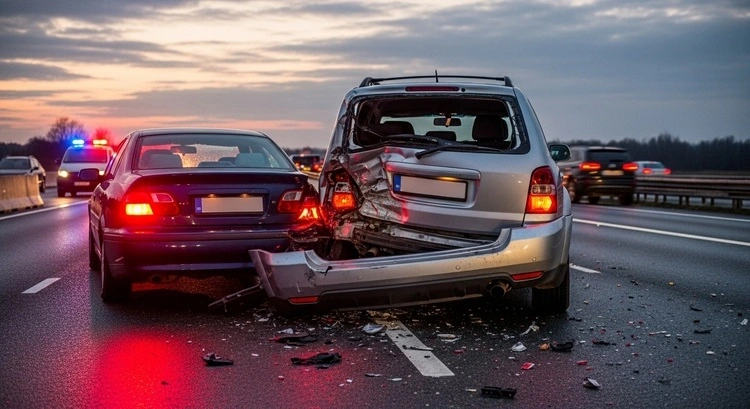
Faulty vehicles pose a serious danger and may cause major injuries or death in the event of an accident. Victims could avail themselves of legal remedies beyond a classic car-accident claim whenever a mishap could be traced back to a vehicular defect. Defects in brakes or tires or malfunctions in safety systems are usually the culprits for vehicle crashes.
These scenarios normally fall under product liability law whereby manufacturers, distributors, or part suppliers can be held accountable for producing a dangerous product for public use.
According to Lemon Law Pro, the manufacturer may choose to either refund or buy back the vehicle for the purchase price. The manufacturer may also opt to refund the claimant’s payment minus a reasonable charge for their use.
Let’s talk about the legal remedies available for a person who purchases a car that turns out to be defective and later causes an accident while the person is using it.
What Makes a Car Legally Defective?
Product liability legislation related to additional injuries assigns accountability to manufacturers, distributors, and vendors of vehicles. Design defects, manufacturing defects, and failure to warn/instruct for use are the primary categories of defects that result in consumer injuries and property damages.
Design defects represent basic faults that create dangerous safety risks since they affect both vehicles and their components despite their manufacturing process meeting perfect standards.
Manufacturing defects occur when production processes or assembly processes create unexpected faults that affect both individual cars and entire vehicle batches. These faults are usually not part of the original design.
The most common problems include brake system failures, airbag system malfunctions, steering system failures, and driver safety hazards as a result of improperly positioned fuel tanks.
Who Can Be Held Legally Responsible?
The legal process for defective vehicles requires all parties who participated in the distribution process from vehicle production to customer delivery to be named as parties in the case. The lawsuit may include various parties such as the vehicle manufacturer, the third-party parts supplier, the dealership that sold the vehicle, and the repair shop that provided inadequate service that resulted in the vehicle failure.
Defective vehicle cases require different legal procedures than standard personal injury cases. These cases are subject to strict-liability claims, which let plaintiffs proceed without demonstrating negligence while legal jurisdictions and actual case details permit the application of negligence and warranty claims.
The lawyer must show specific components in a strict liability case. He or she will have to show that the dangerous defect in the vehicle or its parts caused the accident. It is also necessary to demonstrate that the vehicle was being driven when the incident happened.
Working side by side with an experienced attorney guides you during the proceedings, meaning the lawyer will be your voice in the process. According to car accident lawyer Marc Bleaman, a lawyer’s presence secures your rights and guarantees that all necessary evidence will be gathered for your claim.
The Role of Recalls in a Defective Vehicle Claim
The manufacturer’s recall provides relevant evidence for judicial proceedings but it cannot prove liability without further evidence. The manufacturer faces no automatic responsibility through the product recall. An attorney still has to prove the case. Sometimes, the recall comes into evidence and other times it does not.
The absence of a product recall does not prevent someone from making a claim. Sometimes, an injury claim or defective vehicle incident might include cars that have not been recalled, even after the manufacturer knew about the defect.
Steps to Take After a Defective Vehicle Accident
The initial steps to be taken after an accident concerning a potentially defective vehicle are important. The vehicle shouldn’t be repaired or destroyed until such time that it’s been inspected by an expert, as physical evidence most often forms the basis of a successful product liability lawsuit.
Besides the preservation of the vehicle, the injured parties should immediately seek medical attention after the crash and acquire contact information from any witnesses. Victims should also document the scene of the collision and gather all files associated with the vehicle.
Said files include purchase agreements, maintenance records, and any recall letters that the vehicle owner previously received. The National Highway Traffic Safety Administration has available public resources to check for any safety and defect advisories.
What Compensation May Be Available?
The claimant in a defective product case can obtain compensation for medical expenses, which include hospital costs, medical care, and medication charges. The claimant can recover damages for vehicle damage, which occurs when the vehicle sustains wreckage or is declared a total loss.
Lost wages are another possible injury that may entitle the plaintiff to damages if a defendant’s actions have prevented the plaintiff from working.
Non-economic damages, including pain and suffering, and loss of enjoyment of life might be recovered too. In some states, punitive damage is awarded when there is evidence of the manufacturer’s bad faith. These cases are uncommon and vary significantly between jurisdictions.
Filing Deadlines Matter
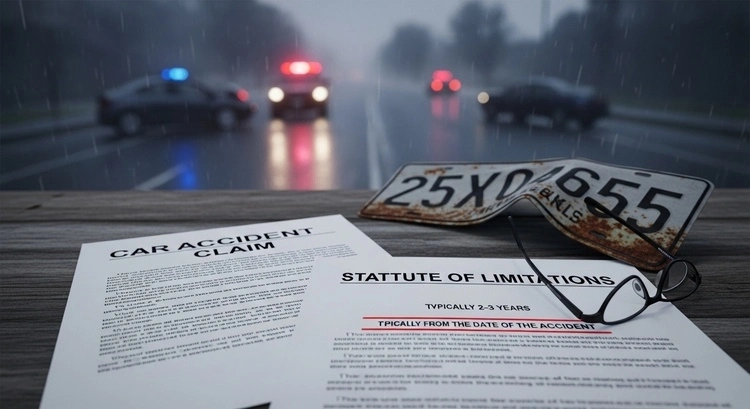
Statutes of limitations last up to two years, depending on the state, and usually begin when the alleged injury occurs. The expiration of a statutory deadline prevents a potential claimant from seeking compensation at all. The duration of the deadlines varies with respect to states.
Some states impose a period of repose that can enact a deadline based on when a product was sold, irrespective of when the party was injured. Urgency is recommended in the preservation of these protections.
Do not repair or handle the vehicle until an expert has seen it. Collect all documents pertinent to the vehicle, including any maintenance records and recalls. Identify all individuals in the chain of distribution and not merely the manufacturer.
Never forget that you must follow the applicable statute of limitations since different states establish different times, which may result in extremely brief time limits.