What Dashcam Footage Can (and Can’t) Prove After a Collision
Updated 12 February 2026
Trying to figure out if that little camera on your windshield can help win your insurance settlement negotiation?
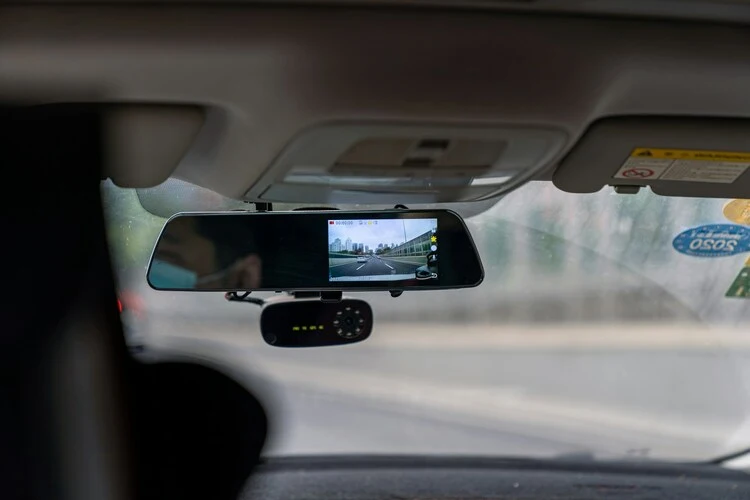
Dashcams have become increasingly popular over the past few years. Almost 30% of drivers in the U.S. travel with a dash camera nowadays. It’s no wonder…
Fighting over who is at fault after a collision typically boils down to one driver’s word against another’s. Dashcam footage eliminates that uncertainty and allows insurance adjusters and attorneys to work with hard evidence.
The issue?
Dashcam footage isn’t always cut-and-dry. In some cases, it can even hurt the driver who installed it. It’s important to know what dashcam footage can and can’t do before turning it over to your insurance provider.
You’ll learn:
- How Dashcam Footage Can Strengthen Your Claim
- When & Why Dashcam Footage Doesn’t Help
- Instances Where Footage Can Work Against You
- The Smart Steps To Take With Dashcam Footage
How Dashcam Footage Can Strengthen Your Claim
Dashcam footage is a driver’s best friend when it comes to insurance settlement negotiations. Not only does it show exactly what happened leading up to, during, and after an accident, but it’s objective proof.
Let that sink in for a second.
Typically, when a fault is being disputed, insurance adjusters have to go off of police reports, witness statements, and any physical evidence found at the scene. Both police and eyewitness accounts are known to be incredibly unreliable. According to one study by Nextbase, drivers couldn’t recall 68% of the important information they were asked about after a crash. Almost half of drivers couldn’t even properly identify who was at fault.
Dashcam footage eradicates all of that guesswork. Whether it’s clearly showing a red light violation or improper road conditions, there’s no arguing with video evidence. When a motor vehicle accident lawyer presents clear dashcam evidence during an insurance settlement negotiation, adjusters are far more likely to rule in the driver’s favor.
Simple, right?
When & Why Dashcam Footage Doesn’t Help
But wait, there’s more…
Dashcam footage doesn’t always tell the whole story. If key moments leading up to a collision were outside of the camera’s view, then your claim will be missing crucial information.
A front-facing dashcam only records what’s happening in front of your vehicle. That means footage cannot prove:
- You were hit by a car on the side of your vehicle
- Who caused a rear-end collision (unless you have a dashcam that records in reverse as well)
- If your phone was taken out of your pocket
- If the driver in the other vehicle was speeding or driving erratically
Not to mention, poor video quality and nighttime footage can be hard to see. If an adjuster can’t clearly make out what’s happening in the video, it won’t do you any good.
Plus, most dashcams record over old footage with new footage unless you delete the old files yourself. If you don’t go into your dashboard camera after an accident and delete the old footage… You might lose it.
Moral of the story?
Dashcam footage can be extremely helpful, but it isn’t the be-all-end-all solution.
Instances Where Footage Can Work Against You
But here’s the kicker…
Dashcams don’t discriminate. Not only will it catch the other driver in their mistakes, but it will catch you in yours. Insurance companies are just as likely to use your dashcam footage to deny your claim as they are to accept fault on the other driver’s behalf.
Say you happen to be rolling through a stop sign just as you’re hit by the driver on the cross street. Even if they were speeding, your dashcam footage will expose that you were going through a stop sign. Simply put, insurance companies can accuse you of being partially at fault.
Anything you do behind the wheel of your car can and will be used against you. Here are some examples of how dashcam footage can work against a driver.
Don’t:
- Speed before an accident
- Have loud music playing
- Talk on the phone, even if you aren’t the one driving
- Try to hide that you were wrong (tape will reveal if you’re smiling or joking about the accident)
The second the record button is hit on a dash cam, every mistake is subject to being used against the driver. That’s why consulting with an attorney before turning over any footage is always recommended.
The Smart Steps To Take With Dashcam Footage
Ok, now that the bad news is out of the way. Let’s focus on what you should do with your dashcam footage after an accident.
Taking the following steps will ensure your dashcam footage holds as much weight as possible if you find yourself in an accident.
Download the Footage ASAP
The first and most important thing you should do after an accident is download the footage. If you don’t download the clip or remove the memory card from your dashcam, it will be overwritten.
Keep Your Hands Off
Do not edit your footage. Do not crop out parts of the video. Adjusters and insurers can smell editing a mile away. Leave the video as is, and you won’t hurt your claim’s credibility.
Consult with a Professional
You should always have an attorney review your footage before sending it over to your insurer. They’ll be able to identify things you may have missed that could hurt your claim.
Invest in a Quality Camera
It’s recommended to invest in a dual dash cam that records both in front of and behind the vehicle. That way there’s a better chance of capturing any action that leads up to a collision.
Know Your Rights
Did you know that dashcam laws vary from state-to-state? You should familiarize yourself with your state’s laws on dashcams before purchasing one. Privacy laws, audio recording laws, and camera placement laws can prevent your footage from being admissible.
Wrap Up
Dashcam footage isn’t a foolproof way to prove who is at-fault after an accident, but it can help your case if you know what you’re doing. By now, you should understand that dashcam footage:
- Is great to support your claim but doesn’t prove everything
- Can show your mistakes and be used to deny your claim
- Should be downloaded immediately and never be edited
If you use your dashcam wisely and know how to present your footage, you’ll be set up for success if you’re ever in an accident.