What Injured Drivers Should Do Right After a Serious Car Accident
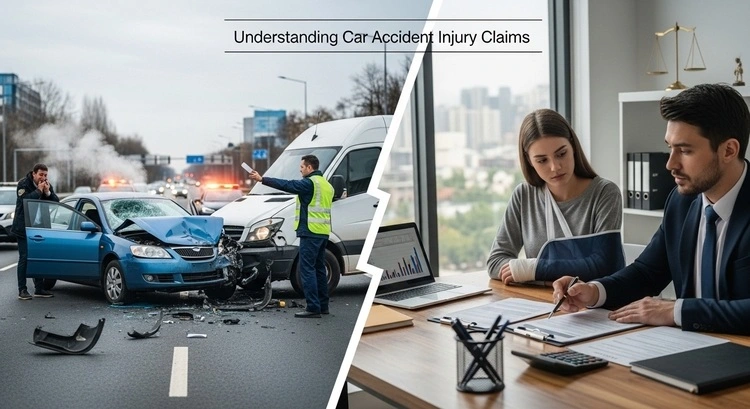
In Fort Myers, where coastal roads, busy intersections, and steady traffic from residents and visitors intersect daily, serious car accidents can happen without warning, leaving drivers shaken and unsure of what comes next. In those critical moments immediately following a crash, the actions taken can have lasting effects—not only on physical recovery but also on any future claim for compensation. Knowing how to respond with clarity and purpose can make a meaningful difference during an otherwise overwhelming situation.
From ensuring personal safety to preserving key details, each early step plays a role in protecting both health and legal rights. For many, guidance from a car accident lawyer in Fort Myers at Viles & Beckman becomes an important part of navigating this process, helping injured drivers avoid common missteps while laying the groundwork for a stronger, more secure path toward recovery and resolution.
Prioritize Safety First
As soon as feasible, relocate to a secure site away from moving vehicles or other hazards. Activate hazard lights to notify other drivers of the situation. If you cannot move because of your injuries, do your best to stay still and wait for help.
Check for Injuries and Call 911
Check on your physical condition and see if anyone else got hurt. If injuries are suspected, whether minor or serious, you must call emergency services. Quick help can stop medical problems from getting worse. Provide details on the location, injuries, and events when speaking with emergency responders.
Wait for Medical Professionals
If you wait for help, do not move for any reason unless staying is not safe. With appropriate care, a trained professional can ensure injuries are sustained. Do not decline medical evaluations even if the pain appears minor, as some conditions have delayed symptoms. Getting checked early can prevent potential long-term health problems.
Document the Accident Scene
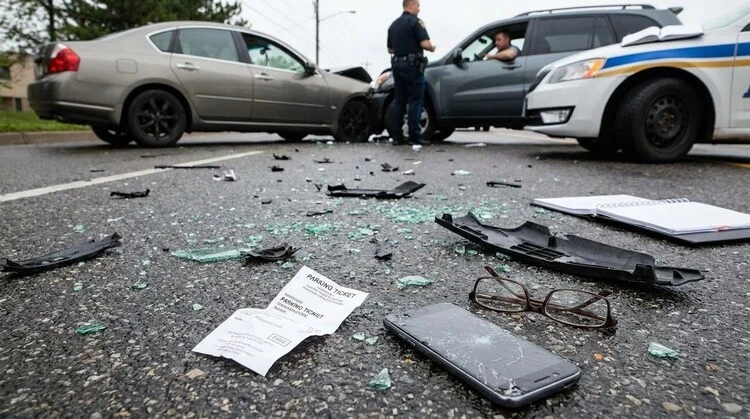
Collect evidence at the crash site if you can do so. Also, photographs of the vehicle damage, of any visible injuries, and of the surrounding scene can be useful later. Get information on weather, road conditions, traffic lights, etc. Such documentation will help you if you need to file a future claim and provide clarification of what occurred during the incident.
Exchange Information with Other Parties
Exchange insurance and contact information with all drivers involved. If there are witnesses, get their names and phone numbers as well. Such information might come into play in future insurance claims or legal matters. Avoid discussing fault, as it may be interpreted as an admission of liability.
Limit Conversation About the Accident
It is easy for others to overhear what you are saying to one another at the scene, so keep your conversation brief and factual. Avoid apologizing or speculating regarding what caused the crash. Taking responsibility or expressing opinions may influence insurance or legal decision-making.
File a Police Report
Most major accidents should be handled by law enforcement. Cooperate and answer their questions honestly. The official report is also essential for insurance and legal purposes. Ask for a copy of the report for your records, as it may be needed in future negotiations with insurers or lawyers.
Seek Medical Treatment Promptly
While some symptoms are not easy to detect at first, they can worsen over time. Medical records are proof of injury and are frequently required for insurance claims. Follow all instructions from healthcare providers to support healing.
Notify the Insurance Provider
Notify the insurer that you will want to report it as soon as possible. Give them the facts, not points, but fill in some of the details, and make it relevant, while steering clear of speculation. Insurance representatives can walk claimants through the process and explain what documentation may be required.
Seek Legal Assistance
Expert advice may be necessary in cases of serious injury or where fault is disputed. An attorney might be able to provide clarity on rights, responsibilities, or next steps. They will also answer any questions you may have. This is where legal professionals can come in and help you handle the negotiations with insurance companies or whoever else is involved in the claim.
Keep Records of Everything
Store all documents related to the incident, such as medical bills, reviews, and correspondence with insurers. Records that are neatly organized make claims and references easier to remember and help ensure that everything that happens is easily remembered.
Conclusion
If a heavy car accident really happens, being able to think quickly and carry out your plan is vital. The steps outlined above will best protect the injured driver’s well-being and their right to pursue a legal claim.