The Evidence Drivers Forget to Collect After a Crash
After a crash, most people know to exchange insurance information and take a few photos. But the moments after a collision are stressful, confusing, and often painful. Drivers may focus on the obvious damage while missing details that could later help explain how the crash happened and how it affected them.
Some evidence disappears quickly. Cars are moved, debris is cleaned up, traffic resumes, witnesses leave, and pain symptoms may change over the next several days. Collecting the right details early can make a major difference if an insurance company later questions fault, injuries, or the seriousness of the claim.
The Exact Position of the Vehicles Before They Move
One detail people often forget is where the vehicles stopped immediately after impact. The final resting position can help show direction of travel, force, lane placement, and whether one driver crossed into another lane.
If it is safe, wide photos should show both vehicles in relation to lane markings, stop signs, traffic lights, driveways, intersections, shoulders, medians, or nearby landmarks. Close-up damage photos matter, but wide-angle scene photos can tell a clearer story about how the crash unfolded.
What the Road Looked Like in That Moment
Drivers may remember the impact but forget to document the road itself. Wet pavement, construction barriers, potholes, loose gravel, faded lane markings, blocked signs, glare, or poor lighting may all affect how a collision happened.
These conditions may change quickly. Rain dries, construction equipment moves, and traffic control devices may be repaired. Photos and notes from the day of the crash can help preserve the conditions that existed at the time, not days or weeks later.
The Other Driver’s First Explanation
What the other driver says at the scene may become important later. They might apologize, admit they were distracted, say they did not see the light, mention being in a hurry, or explain that they looked down for a second.
People sometimes change their stories after speaking with an insurer. A driver does not need to argue or pressure anyone at the scene, but writing down the other driver’s words as accurately as possible can help preserve an early account. Names of anyone who heard the statement should also be saved.
Witnesses Who Do Not Want to Get Involved
Witnesses often leave quickly because they are busy or assume police will handle everything. But a neutral witness may be one of the strongest sources of information, especially if the drivers disagree about what happened.
A witness may have seen the light color, speed, lane change, turn signal, following distance, or phone use before impact. Even a name and phone number can matter. A short note about what the witness saw may help later if memories fade.
Nearby Cameras That May Soon Erase Footage
Many crashes happen near businesses, gas stations, apartment buildings, parking lots, traffic cameras, dashcams, or doorbell cameras. Drivers may forget to look around for cameras because they are focused on the vehicles.
Video footage can disappear within days or even hours. It may show the crash itself, the seconds before impact, or the behavior of a driver who later denies fault. Noting camera locations early can help a car accident lawyer in Fort Lauderdale request or preserve footage before it is lost.
Small Debris and Vehicle Parts
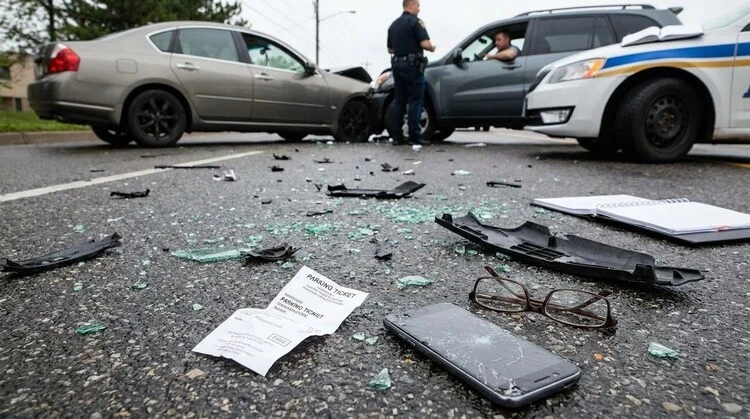
Small pieces left on the roadway may help show where impact occurred. Broken lights, plastic fragments, glass, paint chips, mirror pieces, and fluid marks can help identify the point of collision or support a driver’s version of events.
These details are often swept away quickly. Photos of debris in relation to the vehicles and roadway can be useful. If a safe opportunity exists, documenting damage patterns on both vehicles can also help connect the debris to the crash.
Weather and Lighting From the Driver’s View
A photo of the sky or streetlights may not be enough. What matters is what each driver could see. Glare from the sun, shadows from buildings, rain on the windshield, bright headlights, or dim streetlights may affect visibility.
Photos should be taken from the driver’s perspective when safe. For example, an image from the lane of travel may show whether a sign was hidden, a light was difficult to see, or a vehicle was blocked by another object. Perspective can be just as important as the condition itself.
Pain That Starts Small
Some people forget to document early symptoms because they think soreness will fade. Neck stiffness, headaches, back pain, dizziness, shoulder pain, numbness, anxiety, and sleep problems may seem minor at first but can worsen later.
Writing down symptoms as they appear can help connect them to the crash. Medical care is also important. Waiting too long may allow an insurer to argue that the injuries were unrelated or not serious. Early notes and treatment records can help show how the injury developed.
Items Inside the Vehicle
A crash can damage more than the car. Glasses, laptops, phones, car seats, medical devices, tools, work equipment, and personal items may break or become unsafe. These losses may be forgotten when the vehicle damage appears more urgent.
Photos of damaged property, receipts, repair estimates, and replacement costs should be saved. If a child car seat was involved in the crash, it may need careful review or replacement depending on the circumstances and safety guidance.
Towing, Storage, and Repair Details
Once a damaged car is towed, drivers may lose track of where it went, who handled it, and what happened next. The vehicle itself may contain important evidence, especially in serious crashes.
Towing receipts, storage documents, repair estimates, total loss paperwork, and photos before repair can help preserve the timeline. If there is a dispute about impact force or vehicle condition, the car should not be repaired or destroyed before necessary evidence is documented.
Missed Work and Daily Disruptions
Many people keep medical bills but forget to record everyday losses. Missed work, reduced hours, canceled appointments, rideshare costs, childcare needs, help with household chores, and difficulty driving can all show the broader effect of the crash.
A simple calendar can help track these disruptions. Pay stubs, employer notes, appointment records, and receipts can support the financial side of the claim. Personal notes can help explain how the crash changed normal routines.
Communication With Insurance Companies
Drivers may forget to save emails, claim numbers, adjuster names, letters, recorded statement requests, and settlement offers. Insurance communication can become important if there are disputes about coverage, deadlines, fault, or damages.
Keeping everything in one folder can help avoid confusion. It is also wise to be careful with statements before the full extent of injuries and losses is known. Early comments may be used later in ways the injured person did not expect.
The Details That Fill in the Story
A car accident claim is built from many small pieces. Photos of the cars matter, but they are only part of the picture. Vehicle positions, road conditions, witness names, camera locations, debris, early symptoms, damaged belongings, and insurance communications can all help explain what happened.
Drivers often miss these details because the crash scene feels overwhelming. Still, preserving what can be collected safely may protect the injured person later. When questions arise about fault or injuries, the evidence gathered in the first hours and days can help tell the story more clearly.