What Every Driver Should Know About DUI Accidents
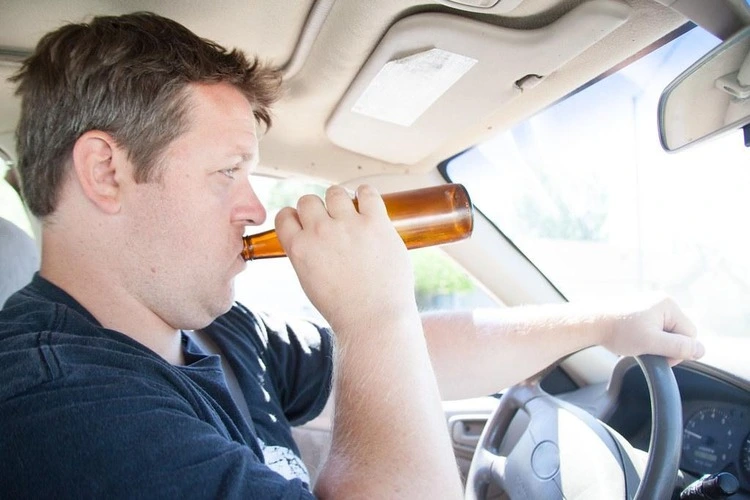
If you drive when you’re drunk or high, you’re far more likely to get into an accident, hurt yourself, or break the law. Anyone who uses a road, whether they are driving, a passenger in a car, or walking, needs to know the dangers of driving under the influence.
After a DUI accident, it might be challenging to determine who is to blame, make note of what happened, and calculate the damages to be paid. It is important for both drivers and passengers to know their rights, what documentation they need, and how being charged with DUI could affect civil and insurance claims.
How DUI Leads to Accidents
People who are under the influence of alcohol or drugs have slower reaction times, less coordination, and worse judgment. Drugs and alcohol make it more likely that someone will crash, even if they are driving under the speed limit. According to studies from the National Highway Traffic Safety Administration, crashes that involve alcohol are still one of the main causes of death on American roads.
What Happens to Drivers in Court
Both civil and criminal courts can penalize individuals who drive drunk and cause accidents. The punishment could be a fine, a suspended license, probation, or jail time, depending on how severe the crime is. The purpose of these punishments is to deter individuals from repeatedly engaging in dangerous driving.
In civil court, drunk drivers may have to pay for injuries and damage caused by the crash. Insurance companies will raise premiums, cancel coverage, or seek subrogation if drugs or alcohol were involved. Courts frequently consider DUI status as proof of carelessness or negligence, which can change the outcome of a case or settlement.
What Other Drivers and Passengers Should Do
Passengers and other drivers are usually blameless if they were uninvolved in the accident. This perspective allows people to recover compensation for things like medical bills, lost wages, and pain and suffering.
Evidence That Supports Claims
If you want to make a claim after a DUI accident, you need to have the right evidence. Here are some major pieces of evidence that can be used:
- Reports from the police stating the driver was drunk, and what happened during the crash.
- Photos of the cars, victims, and scene of the accident.
- Medical records that show how terrible the injuries were and how they were treated.
- Witnesses who can confirm what the driver did and what transpired in the crash.
When two people disagree on who is to blame, chemical tests like BAC tests or toxicological studies can help prove negligence. Gathering evidence soon after an accident makes a claim stronger and makes sure that those who are guilty are punished.
Your Insurance After a DUI Crash
It can be challenging to understand your insurance coverage when you get a DUI. People who have been wounded should know what kinds of insurance policies are available, like the at-fault driver’s liability coverage and any personal uninsured or underinsured motorist coverage that is applicable.
Key Takeaways
- If you drive while drunk, your chances of getting into an accident and being sued go up a lot.
- If a driver gets into an accident while drinking, they could be prosecuted criminally and sued in civil court.
- Most of the time, passengers or other drivers who suffer harm are not at fault.
- For a claim to be valid, there needs to be solid evidence, such as police reports and medical records.
- The driver’s level of intoxication could affect their insurance coverage.
- Driving safely is the greatest way to avoid accidents.