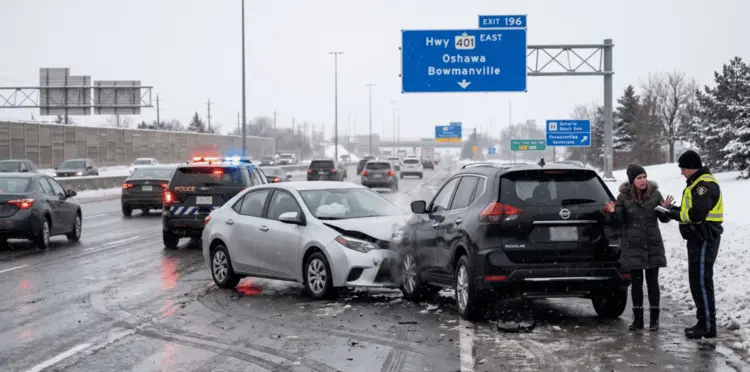
Car Accident Effects on Insurance Records and What It Means for Rates
Want to know how long that little bumper-bender is going to hurt you financially?
Your car accident history follows you for years. Every time you renew your policy…it’s there. And it hits you right where it hurts…in the wallet.
Car insurance rates rise dramatically after an accident (especially if you’re at fault). Renewal after renewal, those premiums can stack up quickly.
The silver lining is… accidents don’t last forever on insurance records. And there are tested strategies you can use to minimize the damage, even landing yourself a safe driver insurance discount after your clean-up period ends.
What you’re going to learn:
- How Long Does an Accident Stay on Your Insurance Record?
- What Happens to Your Rates After an Accident
- At-Fault vs Not-At-Fault: Why It Matters
- How To Lower Your Rates After An Accident
- Accident Forgiveness: Should You Get It?
How Long Does an Accident Stay on Your Insurance Record?
Three to five years.
That’s how long most insurers look back when determining your rates.
The timeframe the accident stays on your insurance record varies slightly by company, state, and how serious the accident was. Serious violations like reckless driving will stick around longer than your standard fender bender.
Here’s the deal…
Your DMV will likely have that accident on your driving record forever. Insurance companies aren’t privy to your entire driving history, though. They typically only look back three to five years to see what you’ve been involved in.
That three-to-five-year window is HUGE. But just know there is an end in sight. Once that period passes the accident won’t factor into your rate at renewal time. You’ve got every incentive to drive accident-free for as long as possible during that window. Keep your nose clean, and not only can you avoid that accident surcharge. You may even qualify for safe driver insurance discounts to help drop those rates back down.
Also, remember that shopping around for the best car insurance after an accident can help you find lower rates, too. Insurance companies weigh accidents differently. Compare quotes to make sure you’re not paying more than you have to.
What Happens to Your Rates After an Accident
Not gonna lie… this part isn’t fun.
Rates go up. Usually by a lot.
For full coverage car insurance, anyway.
Drivers who have filed for one at-fault accident pay approximately 43% more than clean drivers, according to Bankrate’s analysis. Drivers with a non-insurance accident on their record averaged 22% more than those with no accidents or violations.
That is a big jump.
But wait… it can actually get worse. Drivers with a moving violation or accident on their record could see an average increase of 53% by 2025, according to ValuePenguin’s latest State of Auto Insurance Report.
That increase doesn’t just jump you into the next pricing tier… it sticks with you for three to five years. If you pay $1,500 per year for coverage, that’s almost $700 more per year because of a single accident.
The moral of the story? That accident you can’t seem to stop thinking about can end up costing you thousands of dollars down the road.
At-Fault vs Not-At-Fault: Why It Matters
Accidents can be split into two categories. At-fault and not-at-fault.
At-fault accidents guarantee your car insurance premiums will go up when you renew. The insurance company paid out on your claim, which now classifies you as high risk.
But did you know…
Just because you weren’t cited at the scene doesn’t mean your insurance rates won’t increase. Some insurance companies punish drivers for being involved in any accident.
It all depends on the state your policy is written in and how the company views accident surcharges.
Having an at-fault accident versus a not-at-fault accident makes a huge difference in how much your insurance rates can increase. When they do increase, accidents can raise your premiums anywhere from 20% all the way up to 50% or more. Not-at-fault accidents may not result in a surcharge at all with some companies.
Some states actually prohibit insurers from increasing rates after a not-at-fault accident. Be sure to check your state’s regulations.
How To Get Your Rates Back Down After An Accident
Guess what… Now that you know what to expect after an accident on your record. It’s time to fix it.
The good news: There are actionable steps you can take to start lowering those premiums ASAP.
Keep a clean driving record. Clean driving records are KEY for lowering rates after an accident. Three to five years accident-free will not only remove the incident from your insurance record… it could qualify you for that safe driver insurance discount. Drivers who maintain accident-free driving habits can earn back insurance discounts worth 10% to 30% off their premiums.
Compare rates from multiple companies. Insurers weigh accidents differently. Don’t just accept the huge rate increase and move on. Get quotes from multiple carriers and see what prices you really qualify for.
Take a defensive driving course. Completing a defensive driving course can net you an insurance discount. Many providers offer discounts of up to 5% when you’ve completed an accredited course. Some states even mandate that insurers provide this discount to drivers who ask.
Increase your deductible. The higher your deductible, the lower your monthly premium will be. Make sure you can swing the higher deductible if you get into another accident, though.
Ask about discounts. Every insurance company offers dozens of ways to save money on car insurance. Ask your agent what discounts you qualify for. Everything from bundling your policies to vehicle safety features can save you money. Telematics programs are another great option that can save you up to 30% if you drive safely.
Use as many discounts as you can. Don’t forget that stacking multiple discounts is the fastest way to lower your car insurance rates.
Accident Forgiveness: Should You Get It?
Accident forgiveness is something some insurance companies offer that protects you from surcharges after your first at-fault accident.
Sounds amazing, right?
It sort of is. There are some things you should know about accident forgiveness before you purchase it, though.
For one, accident forgiveness must be purchased before you get that accident on your insurance record. Once you file a claim, you’re out of luck. Some insurance providers offer accident forgiveness at no cost after a set number of years as a customer. Others charge a small premium.
One accident. That’s all accident forgiveness covers. If you cause another accident, the first accident will come back to haunt you rate-wise, too.
Oh… and accident forgiveness doesn’t transfer if you switch companies. Get a new insurer, and they’ll still see that accident on your record.
So, should you get accident forgiveness? If you can swing the small added monthly cost and don’t want to worry about your rates going up after your first accident, definitely. Accident forgiveness can help you maintain your safe driver insurance discount if you ever slip up.
The Bottom Line
A car accident can stay on your insurance record for three to five years. That’s how long accident surcharges can affect your policy premiums.
Having an accident on your insurance record is never a good thing. Rates go up significantly, especially when you’re at fault.
But don’t lose hope just yet. There are plenty of things you can do to reduce the financial impact of an accident, including:
- Driving clean after your accident
- Shopping around annually for better rates
- Stacking discounts
Remember that eventually time will heal an insurance-record scar. Make sure you focus on safe driving, quote often, and stack all the discounts you can until that accident-free period begins.