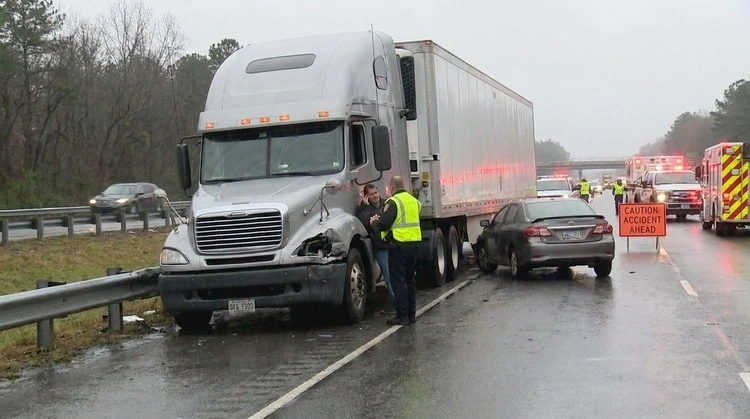
The Jolt of Inattention and the Biological Toll of a Rear-End Crash
Stopping at a red light or waiting in a line of traffic is a routine part of any daily commute that most drivers perform without much thought. We trust that the person behind us is paying as much attention to the road as we are. However, a single second of a driver looking at their phone or adjusting the radio can turn a peaceful pause into a violent event.
Low-speed impacts are often dismissed by insurance adjusters as minor incidents that shouldn’t cause significant physical harm. The visual damage to a modern plastic bumper can be minimal, leading many people to believe they walked away without injury. This assumption is dangerous because the human body responds to a sudden transfer of energy in ways that a car does not.
The physics of a stationary object being struck from behind creates a specific type of trauma that targets the neck and spine. Even if the vehicles only suffer a few scratches, the occupants can face life-altering symptoms that emerge hours or days later. Navigating the aftermath of a rear-end crash requires a deep appreciation for the hidden biological toll that these common accidents take on the body.
The Whiplash Mechanism
When a vehicle is struck from behind, the seat pushes the torso forward while the head remains momentarily stationary due to inertia. This creates a sudden and violent S-curve in the cervical spine as the neck is stretched beyond its normal range of motion. The acceleration and deceleration happen faster than the muscles can react to protect the delicate vertebrae and ligaments.
The snapping motion of the head resembles the cracking of a whip, which is why the condition is so widely recognized by that name. This force causes micro-tears in the soft tissues and can lead to significant inflammation around the nerve roots. Most people don’t realize that even a ten-mile-per-hour impact is enough to cause this level of internal disruption.
As the head reaches its maximum extension, it eventually recoils forward with equal intensity, often striking the steering wheel or the chest. This double-stage movement multiplies the damage by stressing the spine in two different directions within a fraction of a second. It is a mechanical jolt that disrupts the balance of the musculoskeletal system and requires professional medical attention to resolve correctly.
Hidden Structural Damage
Modern automobiles are designed with plastic bumper covers that are meant to bounce back after a light impact without showing much outward damage. This can be incredibly deceptive because the energy of the collision is actually absorbed by the internal frame and safety systems. A car that looks fine on the surface might have a compromised structural integrity that makes it unsafe for future travel.
Beneath the paint and plastic, there are sophisticated sensors and crumple zones that are designed to deform only once. If these components are triggered during a collision, they may not function correctly if the vehicle is hit a second time. Professional mechanics often find bent frame rails or cracked mounting brackets that were completely invisible during a roadside inspection.
Furthermore, the calibration of high-tech safety features like lane-departure warnings and parking sensors can be thrown off by a minor nudge. These systems rely on precise angles to protect the driver and can provide false data if the bumper has shifted even slightly. Investing in a thorough mechanical tear-down is the only way to ensure the machine is truly roadworthy after an incident.
The Presumption of Fault
The legal system generally places the burden of responsibility on the driver who was following the lead vehicle. This is based on the fundamental rule that every motorist must maintain a safe distance and be prepared for the car in front of them to stop suddenly. If you hit someone from behind, it is usually assumed that you were either speeding or distracted at the time.
This presumption makes the civil liability portion of these cases much more straightforward for the victim than other types of accidents. It is difficult for a following driver to argue they were being careful if they failed to avoid a stationary object in their path. The focus of the litigation often shifts from who caused the crash to the actual value of the injuries.
There are rare exceptions to this rule, such as when a lead driver reverses into traffic or has malfunctioning brake lights that provide no warning. In most scenarios, however, the person with the damaged front end is the one held accountable by the insurance companies. Establishing this fault early in the process is key to securing the financial resources needed for medical care and vehicle repairs.
Soft Tissue Complications
One of the most frustrating aspects of a rear-impact injury is that the damage often involves soft tissues that do not show up on a standard X-ray. A victim might spend hours in the emergency room only to be told that nothing is broken, despite feeling an intense and radiating pain. This lack of visible evidence can be used by insurance companies to minimize the settlement.
Nerve impingement and disc herniations are common results of the sudden jolt that can lead to chronic numbness in the hands or feet. These conditions often require an MRI or a specialized nerve conduction study to diagnose with any level of certainty. Without these advanced tests, the true extent of the neurological damage remains a mystery to the medical and legal teams.
The long-term reality of these complications can include persistent headaches and a reduced range of motion that impacts the ability to work or enjoy life. These symptoms are not imaginary, but the result of a physical trauma that altered the alignment of the spine. Managing these chronic issues requires a proactive approach to medical documentation and a commitment to a long-term rehabilitation plan.
Conclusion
Seeking a professional medical and legal evaluation is a necessary step even when the impact of a collision feels relatively insignificant. The adrenaline of the moment can hide the pain, and the deceptive nature of car damage can lull you into a false sense of security. It is always better to have a clean bill of health than to ignore a problem that will eventually worsen.
A successful recovery depends on identifying the damage to both the body and the machine before the insurance deadlines pass. Every piece of evidence, from a doctor’s notes to a mechanic’s report, builds a stronger case for a fair and honest payout. Protecting your physical and financial well-being requires a thorough and scientific approach to the facts of the event.
Ultimately, the goal is to ensure that a single moment of someone else’s inattention doesn’t define your physical future. By taking the right steps today, you can secure the support needed to move past the trauma and back into a normal life. Stay vigilant and prioritize your health above all else whenever you are involved in a crash.