Injured in a Ride-Share Accident? Know Your Rights
Ride-share services have changed how people commute. It remains a top choice for millions of riders due to its convenience, affordability, and accessibility. Unfortunately, accidents can happen unexpectedly and through no fault of the passenger or driver, leaving them confused about their available options.
In Los Angeles, ride-share services like Uber and Lyft are classified as Transportation Network Companies (TNCs) under the California Public Utilities Code, and specific state laws govern what protections are available to injured passengers, drivers, and third parties. Knowing what to do and working with a Lyft accident attorney in Los Angeles can make a major difference if you have been involved in a ride-share accident.
Understanding Ride-Share Accidents
Ride-share accidents are not the same as ordinary automobile accidents. Drivers, passengers, and even third parties could be involved. Each person may have different rights and responsibilities. Insurance policies often vary depending on the driver’s status at the time of the crash. Passengers need to keep these differences in mind to protect their interests.
The Importance of Legal Representation
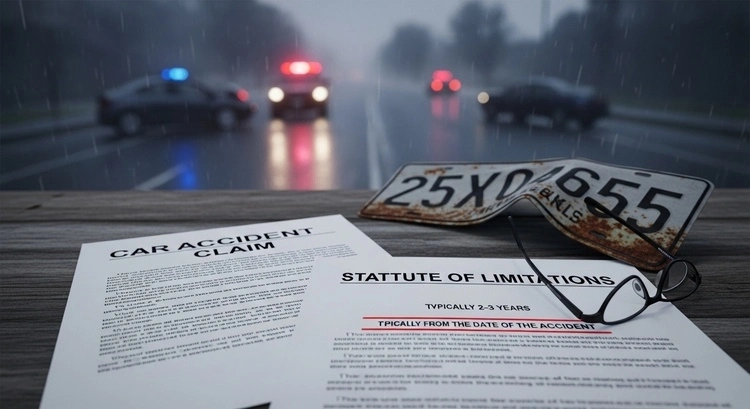
A capable legal representative can handle communications, collect evidence, and negotiate with insurance companies. Working with legal experts can also help you meet deadlines and comply with local regulations. In California, injured individuals generally have two years from the date of the accident to file a personal injury lawsuit. Missing this deadline can bar your claim entirely.
The Role of Insurance Coverage
Ride-share incidents involve insurance coverage far more complex than a standard automobile policy. Under California Assembly Bill 2293 (now codified in Public Utilities Code § 5433), TNCs like Lyft must maintain at least $1 million in liability coverage for personal injury, death, and property damage once a driver has accepted a ride and throughout the trip.
When a driver is logged into the app but has not yet accepted a ride, a lower tier of coverage applies: at least $50,000 per person and $100,000 per accident, along with $200,000 in excess liability. If the driver is offline and not using the app, only the driver’s personal auto insurance is in effect.
Understanding which coverage period applies to your situation is critical because it determines the amount of compensation available and which insurer is responsible. A ride-share injury attorney can help you determine which policy covers your claim and ensure you are not caught in the middle of liability disputes.
What to Do After an Accident
Ensuring safety should always be your top priority. Move to a secure location if possible and check for injuries. Contacting the authorities promptly creates a clear record of the event.
In California, drivers involved in an accident that results in injury or death are required to file an SR-1 Report with the DMV within 10 days of the incident. While this obligation falls on the driver, passengers should be aware that this report exists and can serve as valuable evidence.
Obtaining information like the drivers’ names, license plate numbers, and insurance information also assists with any future claims. Photographs of the scene and any injuries can be useful evidence.
Medical Attention and Documentation
It is important to seek medical care as soon as possible after an accident, regardless of the severity of any injuries. Delayed injuries such as brain trauma, spinal injuries, and soft tissue damage are especially common in ride-share collisions. California’s delayed discovery rule may extend the filing deadline if injuries were not immediately apparent, but early medical documentation remains your strongest evidence for justifying claims for compensation. It is a good idea to maintain a file of all of your medical bills and doctors’ notes.
Reporting the Incident
Ride-share companies encourage their customers to report accidents through their platforms. Reporting as soon as the event takes place makes the company aware of the event, allowing it to initiate its procedures. Clear and correct information supports the investigation. Maintain a copy of all correspondence, just in case a dispute arises later on.
Legal Rights and Compensation
Those injured in ride-share accidents may have the right to seek compensation for damages such as medical expenses, lost earnings, and pain and suffering. Under California law, ride-share accident victims may also recover compensation for future medical costs, loss of earning capacity, emotional distress, and, in cases involving fatality, wrongful death damages on behalf of surviving family members.
If the accident involved a driver operating under the influence, California may also permit punitive damages. An experienced personal injury lawyer can evaluate the full scope of damages available in your case.
Dealing With Insurance Adjusters
Insurance adjusters represent the interests of the providers, not the injured individuals. They often seek to resolve claims quickly and for the lowest amount possible. If you are a victim, never provide a recorded statement without a thorough understanding of your rights. To ensure you are given fair compensation, consult a lawyer before you accept any settlement offer to ensure you do not settle for less than what you deserve.
Conclusion
Individuals involved in an accident with a ride-share vehicle face many uncertainties. Knowledge of your rights and insurance coverage provides crucial protection. Swift, well-informed action increases the likelihood of a fair recovery. This is why it is important to seek guidance from a lawyer. These professionals ensure that injured individuals are compensated fairly and receive the support they need.