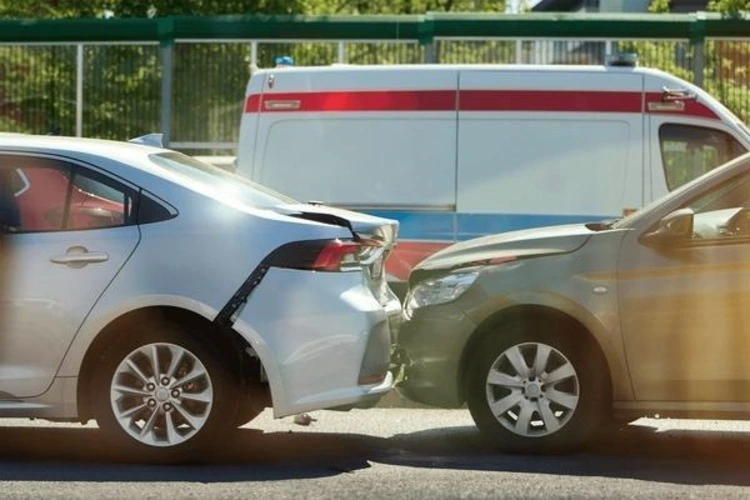
Steps That Protect Your Rights After a Cincinnati Car Collision
A car collision is a traumatic event that can leave victims feeling overwhelmed and uncertain about their next steps. Taking the right actions immediately after an accident, such as calling the police, documenting the scene, and seeking medical attention, is essential for protecting your legal rights and improving your chances of receiving fair compensation. Following these important steps can also help strengthen any future insurance claim or legal action.
Cincinnati is a major city in Ohio located on the banks of the Ohio River, known for its historic architecture and vibrant sports culture. The city features a unique blend of hilly terrain and dense urban corridors, including the busy intersections of Over-the-Rhine and the high-traffic stretches of I-75. Residents and visitors frequently navigate these complex roadways, which can become particularly hazardous during inclement weather.
If you are involved in a crash, consulting a Cincinnati accident lawyer can help you navigate the complexities of Ohio’s insurance laws and liability rules. Legal professionals provide the necessary guidance to ensure that insurance adjusters do not take advantage of your situation. Having an experienced advocate by your side allows you to focus on your recovery while they handle the procedural requirements of your case.
Immediate Actions at the Scene
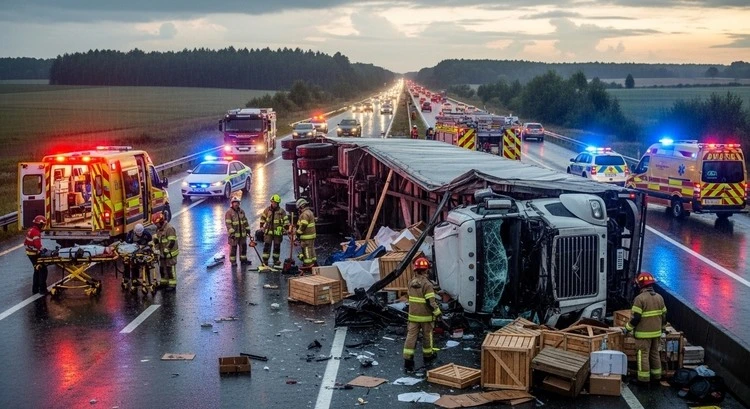
The moments directly following a collision are critical for gathering evidence that may otherwise disappear. First, ensure everyone’s safety and call emergency services to report the accident and request medical assistance if needed. Ohio law requires drivers to stop at the scene of an accident involving injury or significant property damage to exchange information.
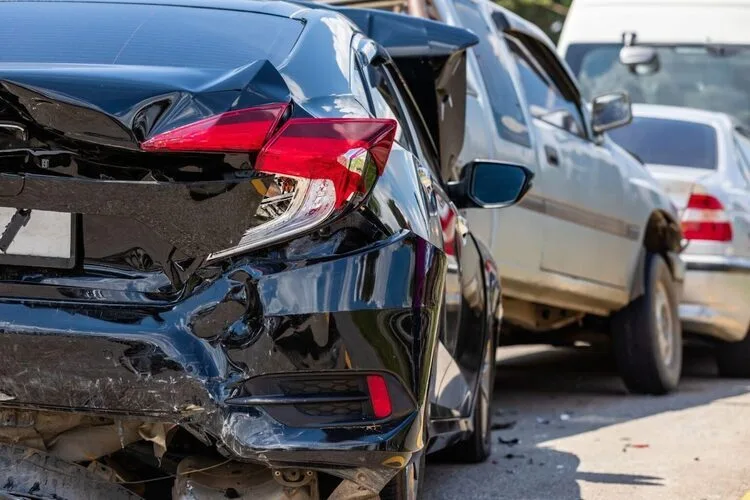
While waiting for law enforcement, use your phone to take detailed photographs of the vehicles, the surrounding road conditions, and any visible injuries. If there are witnesses nearby, collect their names and contact information, as their independent accounts can be invaluable. Avoid discussing fault or making detailed statements to the other driver, as these remarks can be used against you later.
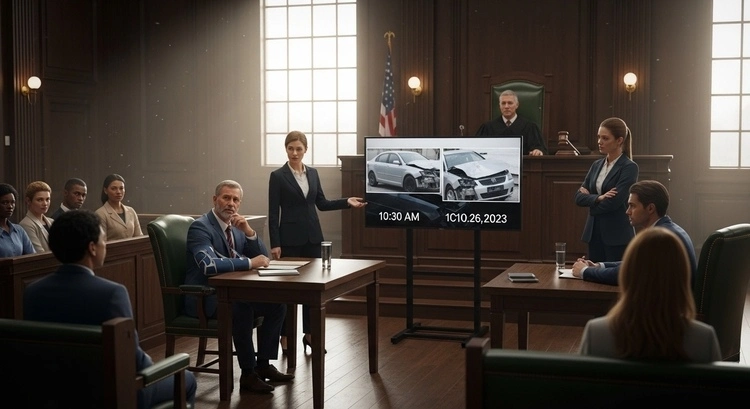
Accurate scene documentation is the most effective way to resolve liability disputes. Police reports provide an official record of the incident and often include the officer’s initial assessment of who was at fault. Always request a copy of the accident report for your personal records.
Seeking Medical Care and Ongoing Documentation
Even if you believe your injuries are minor, it is vital to seek a medical evaluation as soon as possible. Many common accident injuries, such as whiplash or internal bruising, do not manifest symptoms immediately due to the body’s adrenaline response. A medical professional can provide a diagnosis that links your physical condition directly to the collision.
Under Ohio Revised Code § 2315.33, the state follows a contributory fault system, meaning your compensation can be reduced if you are found partially responsible for your injuries. A gap in medical treatment can be used by insurance companies to argue that your injuries were not serious or were caused by a separate incident. Consistent medical records are the strongest evidence of the impact the crash has had on your health.
The Ohio Department of Health provides resources on injury prevention and long-term recovery for motor vehicle accident victims. Following your doctor’s prescribed treatment plan is not only necessary for your physical well-being but also for the integrity of your legal claim. Keep a file of all medical bills, pharmacy receipts, and notes on how the injury affects your daily life.
Dealing with Insurance Adjusters
Shortly after the accident, you will likely be contacted by an insurance adjuster seeking a recorded statement. It is important to remember that their primary goal is to minimize the amount the insurance company has to pay. You are not required to provide a recorded statement immediately, and it is often wise to consult with a professional before doing so.
Avoid signing any release forms or accepting a settlement offer until you have reached maximum medical improvement. Accepting an early offer may prevent you from seeking additional compensation if your condition worsens or requires future surgery. Understanding the full scope of your damages is the only way to ensure a settlement is truly fair.
Key Takeaways
- Call emergency services immediately to report the collision and request medical help.
- Document the scene thoroughly with photos of vehicle damage and road conditions.
- Exchange contact and insurance information with all drivers involved in the crash.
- Seek medical attention immediately, even if you do not feel significant pain at the scene.
- Avoid admitting fault or giving recorded statements to insurance adjusters without guidance.
- Maintain a detailed file of all medical expenses, repair bills, and lost wages.
- Be aware of Ohio’s two-year statute of limitations for filing personal injury lawsuits.