Rico Wade Car Accident: Clarifying the Rumors and Remembering the Dungeon Family Legend
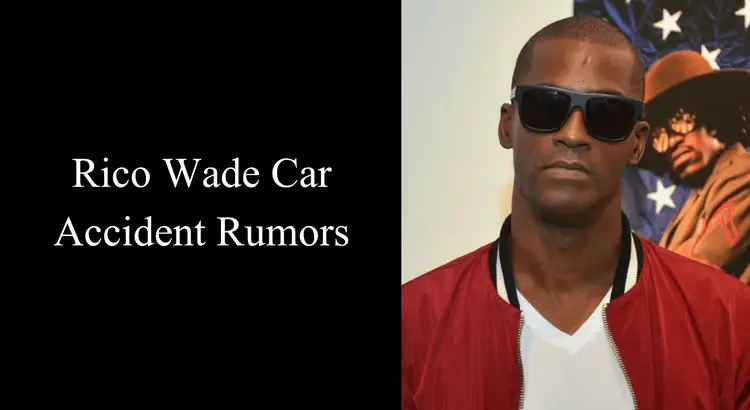
The internet often moves faster than the truth. When news broke regarding the sudden passing of Rico Wade, a strange search trend immediately surfaced. Thousands of fans began searching for details about a “Rico Wade car accident.”
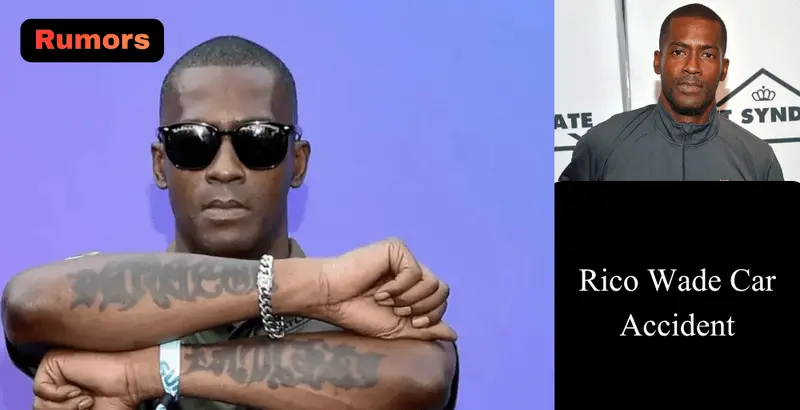
This specific search query relies entirely on misinformation. Rico Wade did not die in a vehicular collision. The legendary producer and architect behind the Dungeon Family passed away from heart failure on April 13, 2024, at the age of 52. To honor his legacy properly, we must correct the public record. We need to untangle the false internet rumors from the very real automotive tragedies that actually impacted his close-knit musical collective in Atlanta.
The Truth Behind the “Rico Wade Car Accident” Search Intent
Search engines operate on semantic associations and historical user behavior. When a relatively young, high-profile celebrity dies suddenly, public shock drives rapid, speculative searches. Users want immediate answers. They often type “cause of death” into the search bar. Because so many historical celebrity passings involve vehicle collisions, autocomplete algorithms frequently suggest “car accident” by default.
This algorithmic confusion creates a massive feedback loop. One user searches for a crash, the search engine records the query, and soon it suggests the exact same phrase to thousands of others.
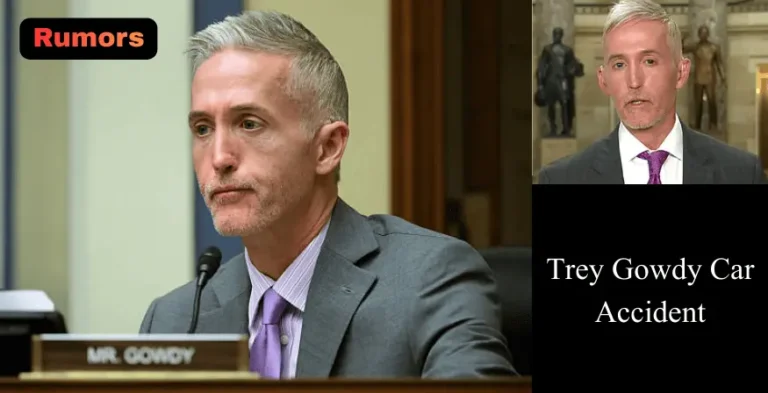
We see this specific pattern frequently across different spheres of public life. Sudden rumors involving prominent public figures trigger massive digital interest. For instance, the rapid search spikes surrounding the Trey Gowdy car accident perfectly demonstrate how quickly an automotive search trend can dominate the internet before journalists can even verify the baseline facts.
In Rico Wade’s case, the misinformation likely stemmed from this exact type of algorithmic mix-up. Search engines connected his sudden 2024 passing with the historical, well-documented vehicular accidents involving other prominent members of the Atlanta hip-hop scene.
Tragic Automotive Incidents Within the Dungeon Family History
While Rico Wade’s death was strictly medical, his life and career were deeply affected by severe traffic collisions. The Dungeon Family is the legendary collective anchored by Wade’s production trio, Organized Noize. During their peak commercial years, this tight-knit group experienced profound vehicular trauma.
Understanding these historical events explains why search algorithms might incorrectly link Wade’s name to an automotive fatality today. The physical and emotional toll of these severe crashes fundamentally reshaped the trajectory of Southern hip-hop.
Khujo Goodie’s Life-Altering Traffic Accident
In June 2002, the Dungeon Family faced a massive, life-altering crisis. Khujo Goodie, a founding member of the iconic rap group Goodie Mob, was involved in a devastating car crash in Atlanta.
Khujo was returning home after a late-night studio session. His vehicle collided violently with another car on the highway. The immediate impact caused severe, catastrophic trauma to his lower extremities. First responders managed to extract him from the wreckage, but the medical reality at the hospital was grim.
Doctors were forced to amputate Khujo’s right leg below the knee to save his life. This tragic event sent immediate shockwaves through the entire Organized Noize camp. Rico Wade, Ray Murray, and Sleepy Brown had to pause their rapid production schedules to deal with the fallout of the highway collision.
The Role of Organized Noize During the Recovery
Rico Wade acted as a central support pillar during Khujo’s intense physical rehabilitation. The collective immediately adapted their recording processes to accommodate Khujo’s wheelchair use and his eventual prosthetic fitting.
Wade ensured the studio remained a highly accessible safe haven for his friend. This genuine brotherhood highlighted how the collective managed personal devastation and physical trauma well outside the public eye.
Lisa “Left Eye” Lopes’ Fatal Crash (2002)
The year 2002 brought another catastrophic vehicular incident that deeply impacted Rico Wade’s musical network. In April of that year, Lisa “Left Eye” Lopes of the groundbreaking group TLC died in a fatal car accident in La Ceiba, Honduras.
Lopes was driving a rented Mitsubishi Montero SUV down a rural highway. She swerved to avoid an oncoming vehicle, causing the SUV to roll multiple times off the road. While the other passengers inside the vehicle survived the crash, Lopes sustained fatal head trauma.
TLC and the Dungeon Family shared a tight-knit geographical and professional network in Atlanta. Organized Noize famously produced TLC’s massive hit single “Waterfalls.” The sudden loss of Lopes in a devastating rollover crash left a permanent scar on the local music industry.
Because Rico Wade served as a foundational pillar of that exact musical era, historical data regarding Lopes’ fatal crash frequently crosses paths with Wade’s entity profile. This tragic history is why modern search algorithms continue to blend their stories together.
The Intersection of High-Profile Entities and Automotive Incidents
When a prominent figure in the entertainment industry is involved in a severe traffic collision, the local scene instantly transforms into a global media spectacle. The press covers high-profile artists much differently than everyday citizens. News outlets race to publish the first details to capture massive search traffic spikes.
Unfortunately, this frantic race for clicks often leads to platforms publishing unverified rumors. Blogs and social media accounts will frequently push a narrative before local authorities have even finished writing their preliminary accident reports. This dynamic creates a chaotic environment where truth takes a back seat to engagement.
Key Factors Evaluated During Public Figure Collisions
The immediate aftermath of a celebrity car crash triggers a highly coordinated response from multiple agencies. First, law enforcement faces immense public pressure to release details, police reports, and toxicology results as quickly as possible.
Simultaneously, record labels and public relations teams activate specialized crisis management protocols. These teams work relentlessly behind the scenes to control the narrative. They manage complex insurance liability issues, coordinate with legal counsel, and protect the artist’s public image while the legal system determines the actual fault on the road.
The Impact on Spouses, Immediate Family, and Bandmates
The sudden loss of a musical icon places an unbearable emotional burden on their immediate circle. This trauma remains the same whether the passing stems from a medical emergency, like Rico Wade’s tragic heart failure, or a fatal highway collision.
Wade’s family, including his famous cousin Future, and his Organized Noize production partners, Sleepy Brown and Ray Murray, were forced to process their profound grief under a massive public microscope. This level of intense media attention often strips away the quiet space families desperately need for private mourning.
When a severe incident impacts a high-profile figure’s inner circle, the press coverage frequently becomes highly intrusive. We see this exact media dynamic play out across all sectors of public life, whether it involves a legendary music producer’s family or international political figures, much like the intense scrutiny seen during the Keir Starmer wife accident. The public’s hunger for immediate details rarely accounts for the family’s active, ongoing trauma.
Privacy vs. Public Interest in Tragedy Reporting
Journalists and digital publishers constantly walk an ethical tightrope when covering sudden celebrity deaths or traumatic traffic collisions. They must carefully balance the fans’ genuine desire for information against the surviving family’s basic human right to privacy.
Unfortunately, the modern digital race to be the first to break a story often leads to rushed, inaccurate reporting. This exact rush to capitalize on a trending tragedy is exactly what generated the false search trends surrounding Rico Wade’s death.
Advanced Security Protocols and Defensive Transit for Touring Musicians
The tragic history of road accidents in the late 1990s and early 2000s forced the music industry to completely rethink how artists travel. Record labels and talent management agencies quickly realized that exhausted musicians driving themselves home after grueling, 14-hour studio sessions presented a massive liability.
To protect their talent and keep their friends safe, the industry shifted heavily toward strict, professional transit protocols.
Executive Transit Strategies
Today, high-level producers and touring musicians rarely drive themselves during heavy album cycles or promotional tours. Management teams now hire professional, thoroughly vetted chauffeurs. These drivers hold advanced defensive driving certifications and know how to handle high-stress traffic situations.
They are trained to safely evade aggressive paparazzi on the highway and prevent fatigue-related collisions. Furthermore, artists now primarily travel in high-safety-rated luxury SUVs or customized transport vans. These vehicles come equipped with reinforced frames and advanced braking systems to minimize injury risks if an accident is completely unavoidable.
Conclusion
The internet’s tendency to link Rico Wade to a fatal car crash serves as a prime example of algorithmic confusion and unchecked public rumors. Wade did not die in an automotive collision; he tragically passed away from heart failure in April 2024.
However, the deep physical and emotional scars left by very real traffic accidents within the Dungeon Family’s history explain why search engines made the grim, inaccurate connection. By clarifying the facts, we stop the spread of misinformation and properly honor Rico Wade’s actual life. He remains the undisputed sonic architect of Southern hip-hop, a visionary whose cultural impact will easily outlast any fleeting internet rumor.