Gainesville Car Accident Guide: What to Do If a Drunk Driver Hits Your Car
A crash with a suspected drunk driver can move quickly from a traffic problem to a legal and insurance problem. In Gainesville, your next steps affect medical coverage under Florida’s no-fault system, the evidence police and insurers rely on, and any later claim against the impaired driver. This guide explains what you can do right away and what Florida law generally requires as the process unfolds.
Start With Safety, Then Lock In The Basic Facts
If you can, move to a safe location, call 911, and request police and medical help if anyone is hurt or the other driver seems impaired. As you prioritize safety, gather names, plate numbers, insurance information, and witness contact details. Early in the process, you may choose to find a car accident lawyer in Gainesville to help you understand insurance coverage and potential liability after the crash.
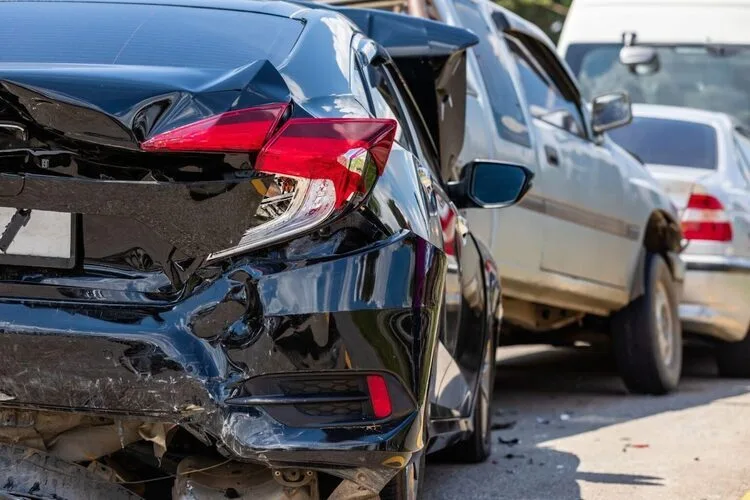
Take photos or video of the vehicles’ positions, damage, road conditions, and any signs of impairment, such as open containers. Skip arguments about who caused the crash; exchange information and give law enforcement a clear, factual account.
Seek Medical Care Quickly Because Pip Deadlines Matter
Florida is a no-fault state for many car crashes, meaning your own Personal Injury Protection (PIP) coverage is often the first source of medical payment, regardless of who caused the crash. Delayed medical treatment can create coverage disputes, and under Florida’s PIP statute, insurers can deny PIP benefits if you do not receive initial medical services within 14 days of the collision.
PIP medical benefits are limited, and the available amount can depend on whether a qualified provider finds an “Emergency Medical Condition.” The statute sets different benefit caps tied to that determination, so records from your early visits can influence how much coverage applies.
Make Sure Law Enforcement Documents Impairment
A DUI investigation can produce evidence you cannot collect on your own, such as field sobriety observations, breath or blood testing, and body camera footage. Ask the responding officer how to obtain the traffic crash report and, if applicable, how the DUI case number will be listed once charges are filed.
Even when the other driver is arrested, your civil claim still depends on proof of fault and damages. Keep a simple timeline of symptoms, appointments, missed work, and vehicle-related expenses so your documentation matches the medical and police records.
Report The Crash To Insurers With Care
After the crash is reported and medical care begins, notify your insurer promptly and ask what documentation they want for PIP, medical payments (if you have it), collision coverage, rental coverage, and towing. If the other driver has bodily injury coverage, or you have uninsured or underinsured motorist coverage, those policies may matter later if your injuries exceed PIP limits.
Florida’s fault rules can also affect recovery. For many negligence cases, a person found more than 50 percent at fault cannot recover damages, and the percentage of fault can be argued, even when one driver was impaired.
Understand Possible Claims Beyond The Drunk Driver
A DUI crash can lead to a civil claim for medical bills, lost income, property loss, and pain and suffering, depending on the severity and Florida’s injury threshold rules. In some cases, punitive damages may be pursued when the facts meet Florida’s standards for intentional misconduct or gross negligence, which is a separate showing from ordinary carelessness.
People sometimes ask whether a bar or restaurant can be sued for overserving. Florida’s dram shop statute generally blocks claims for serving adults, with narrow exceptions for willfully serving a minor or knowingly serving someone “habitually addicted” to alcohol.
Track Deadlines And Preserve Evidence
Time limits can cut off claims even when liability seems clear. For many negligence-based injury claims in Florida, the limitations period is two years, and property damage claims often have a longer period under the same statute, so it helps to track dates early.
Also, plan for evidence retention. Send written requests to preserve dashcam files, surveillance video from nearby businesses, and vehicle data where applicable, because those materials can be overwritten on short schedules and may not be available later.
Keep Records Organized After The Crash
After a DUI collision, your paperwork becomes the foundation of any insurance claim or lawsuit: crash reports, photos, medical records, work notes, receipts, and insurer letters. Store everything in one place so dates, amounts, and providers are easy to verify.
Written communication can reduce misunderstandings, especially when adjusters request additional documents or recorded statements. Keep what you report consistent with what appears in your medical chart and the police report.