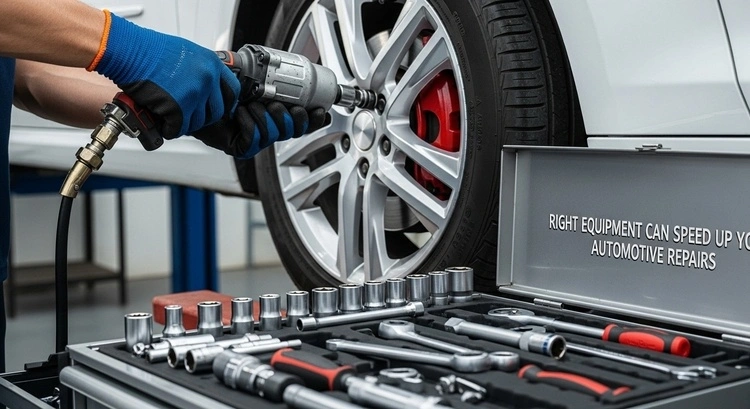
10 Shop Management Tools with Reporting and Automation Features
You cannot grow what you cannot measure.
Many shop owners in North America learn this the hard way. Nothing appears to be wrong. The bays are brimming, the phones continue to ring, and the revenue looks stable month in, month out. But profits are erratic, cash flow is restrictive, and no one can tell why.
The automotive repair sector in North America has been generating more than $100 billion per year, and it is bound to keep expanding as vehicles are driven longer. In the United States, the average age of cars has passed 12 years. In Canada, it is close behind. That means more repair demand, more maintenance cycles, and more opportunities for independent shops. But opportunity without operational clarity creates chaos.
Many shop owners still rely on basic systems, which results in poor revenue, comebacks quietly eat into profits, and parts markups fluctuate without clear visibility.
This is where modern shop management software has reshaped the game. In 2026, leading platforms do far more than generate repair orders and invoices. They act as operational command centers.
Reporting is no longer a luxury. It is the pillar of sustainable growth. The most effective shop management system monitors key performance indicators in real-time, such as average repair order value, technician efficiency, gross profit by job type, parts-to-labour ratios, and customer retention. Patterns are easier to see when these numbers are displayed on a single dashboard, rather than being hidden in a plethora of reports and industry jargon.
Automation is just as powerful. Today’s North American customers expect speed, and that comes from automation. Modern platforms are automating the process of confirming an appointment, declining a service follow-up, requesting a review, clocking in a technician, tracking the workflow, and even receiving an alert when inventory should be reordered. Teams are not responding to problems but are ahead of them. That change, the one when manual control yields to intelligent systems, is what makes the difference between the stable shops and scalable ones..
The shops winning today are not necessarily the largest, but they are the most informed. The following are 10 shop management tools that excel in reporting and automation.
1. AutoLeap
AutoLeap is a comprehensive, one-stop-shop management software designed to consolidate operations and facilitate expansion for auto repair shops. It handles:
- Digital inspections
- Invoicing
- Inventory
- CRM
- Scheduling
- Advanced reporting
All inside one connected platform.
The real-time reporting dashboard is what makes AutoLeap powerful. Without spreadsheet exports, shop owners can monitor ARO, technician productivity, revenue patterns, and parts margins.
Such automated prompts decrease no-shows. Automation of the workflow automatically moves jobs between estimate and invoice.
And all this leads to fewer bottlenecks, a more definitive understanding, and improved decisions.
Best for: Growth-oriented auto repair shops that desire detailed reporting that is directly related to daily operations.
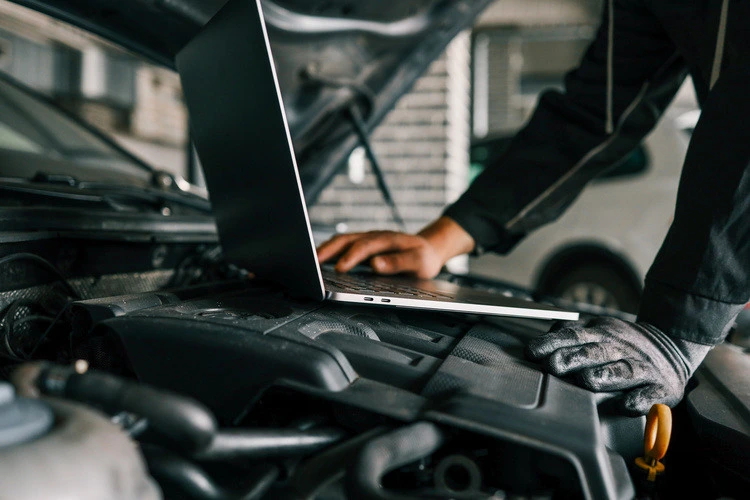
2. Shopmonkey
Shopmonkey is characterised by a clean interface and cloud accessibility. It includes in-built sales, labor and technician productivity reporting.
Automation characteristics are appointment notifications, invoice follow-ups, and workflow tracking. It provides a good balance to those shop owners who desire visibility without the complexity.
Best for: Small and medium-sized stores that are transitioning their paper-based systems.
3. Shop-Ware
Shop-Ware places significant emphasis on online workflow and transparency. Its reporting applications disaggregate the technician performance, parts margins, and job profitability.
It also automates the communication between the customers and service advisors, which minimizes the delays in the approval process.
Best for: Stores that desire elevated interpersonal responsibility.
4. Mitchell 1
Mitchell 1 has been in the industry for decades. Its management systems combine repair information with reporting tools.
It is fully automated with service reminders and maintenance monitors. Reporting is comprehensive but may need configuration in order to make the most of it.
Best for: Full-line stores that require combined repair information and business analytics.
5. RO Writer
RO Writer offers strong inventory management and accounting integration. Reporting features include the sales performance, parts utilization and customer history.
Automation tools simplify estimates and service reminders, although the interface is more conventional.
Ideal in: Shops that concentrate on inventory management and accounting transparency.
6. RepairShopr
RepairShopr helps various service businesses, such as auto repair. It consists of ticket management, CRM tools, and reporting dashboards.
Automation capabilities include repeating invoices, email campaigns, and workflow notifications.
Best for: Multi-service repair companies that require heavy CRM functionality.
For shops that handle small jobs, fleet statements, or end-of-month billing outside their main management system, using a free invoice generator can help you simplify your monthly invoicing while keeping line items, taxes, and branding consistent. Service advisors can also create shareable, printable PDFs in seconds without disrupting the front-desk workflow.
7. Fullbay
Fullbay is designed to serve heavy-duty and diesel repair shops. Its reporting functions target fleet accounts, technician hours, and parts margins.
Automation helps in work order creation, status updates and billing flows.
Best for: Fleet and commercial truck operations.
8. Tekmetric
Tekmetric provides modern dashboards and transparent performance tracking. KPIs such as ARO, technician efficiency, and revenue per bay are simple to track.
Automation works with digital checks, customer approval, and reminders.
Best for: Data-driven shops requiring clean reporting visuals.
9. BOLT ON TECHNOLOGY
BOLT ON TECHNOLOGY specializes in the automation of communication. Its tools are compatible with management systems to enhance marketing and follow-ups.
Reporting is based on customer interaction and campaign success.
Best for: Shops seeking more robust automated marketing related to operations.
10.TechMan
TechMan offers modules for scheduling, invoicing, and reporting. It provides revenue tracking and job costing reports to support profitability analysis.
Automation tools support appointment reminders and workflow tracking.
Best for: Shops seeking modular flexibility with solid reporting.
What Actually Matters in Reporting and Automation?
Features alone don’t create growth. Execution does.
Here’s what experienced shop owners look for:
- Real-time KPI dashboards
- Technician productivity tracking
- Automated appointment reminders
- Parts margin visibility
- Customer retention reporting
- Seamless workflow transitions
Reporting should answer one simple question: where is money being made or lost?
Automation should eliminate repetitive administrative tasks, so your team can focus on repairs and customer relationships.
When reporting and automation work together, something powerful happens. You cease to be a reactive manager and become a proactive leader.
Final Thoughts
There is no denying the fact that the best shops in 2026 are not just guessing. They are measuring.
They know their numbers daily. They track trends weekly. They automate the predictable. And they focus human effort where it creates the most value. Shop management tools are no longer digital filing cabinets. They are growth engines.
Choose the one that gives you clarity. Choose the one that saves time. Choose the one that aligns reporting with real-world workflow. Because when your systems work harder than your stress levels, growth stops feeling chaotic.
It starts feeling controlled. And that’s when a shop transforms from busy to unstoppable.