Types of Damages Available in Amazon Van and Truck Accidents
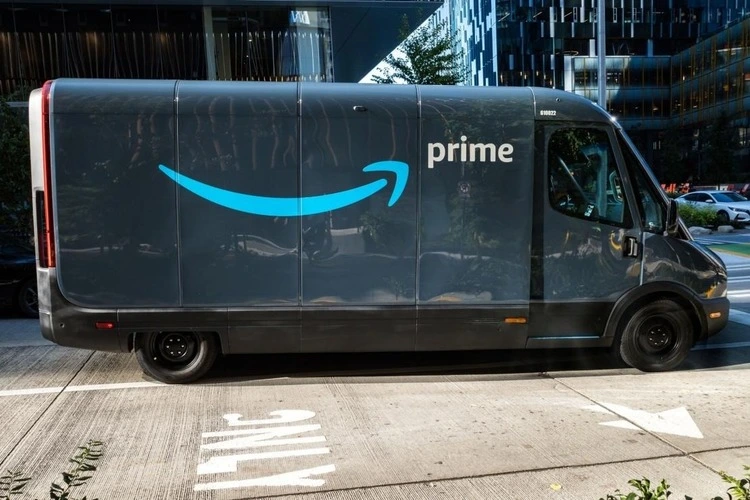
Amazon delivers close to 6 billion packages a year in the US. That works out to over 16 million packages every single day, moving through a fleet of roughly 100,000 vehicles: vans, trucks, electric vehicles, all of it. More deliveries mean more vehicles on the road, and more vehicles on the road mean more accidents.
If you’ve been injured after an Amazon vehicle accident, the first thing you need to understand is what compensation you can actually go after. These damages come in 2 types, economic and non-economic; this ensures that both financial and non-financial losses are compensated.
Economic Damages
Under this category, we have all the financial losses you incurred. These are the kind of things you can document and prove.
Such as:
Medical Expenses
This covers everything medical that’s connected to the accident, all the emergency room visits, hospital stays, surgeries, medications, physical therapy, follow-up appointments, and any future treatment you’re going to need.
Future medical costs matter here just as much as what you’ve already paid, especially for serious injuries that need ongoing care.
Lost Wages
If your injuries kept you from working, even for a few weeks, that lost income is something you can be compensated for. You shouldn’t have to absorb that financial hit because someone else’s negligence put you out of work.
Reduced Earning Capacity
If your injury has permanently affected your ability to do your job, or means you can’t go back to the same line of work at all, that long-term loss of income is part of what the claim can cover.
Economists and vocational experts are sometimes brought in to calculate exactly what that looks like over time.
Property Damage
If your vehicle was damaged or totaled in the accident, the cost of repairs or replacement is part of what you can recover. The same goes for any other property that was damaged in the crash.
Non-Economic Damages
The law recognizes that an accident doesn’t only cost money. It takes other things from you, too. So it lets you take compensation for the following as well:
Pain and Suffering

Compensation for the physical pain the injuries caused, both the immediate pain and anything ongoing. Chronic pain from an injury that doesn’t fully heal is a real, compensable loss.
Emotional Distress
Accidents affect people mentally, not just physically. Courts recognize this, and it can be included in a claim.
Loss of Enjoyment of Life
If the injuries have stopped you from doing things you used to do, that loss has value too. A life that’s been narrowed down because of someone else’s negligence deserves to be reflected in the compensation.
Punitive Damages
These don’t show up in most cases. They’re specifically for situations where whoever caused the accident did something genuinely reckless, with driving drunk being the obvious example.
The point of punitive damages isn’t to compensate the victim for what they lost. It’s to punish the person responsible and send a message that that kind of behavior has solid financial consequences.
When the facts support them, they can push the total amount significantly higher.
Key Takeaways
- Amazon accident victims can go after economic damages as well as non-economic ones like pain and suffering, emotional distress, and loss of enjoyment of life.
- Punitive damages are on the table in cases involving particularly reckless conduct, but they’re not a given in every case.
- Most Amazon drivers aren’t direct employees of Amazon, and that complicates the question of who’s actually liable.
- Amazon’s structure is designed to insulate the company from liability, but that doesn’t mean they’re always off the hook.
- There’s a deadline to file, usually two years from the date of the accident.
- Document all of your medical visits, expenses, how the injury has affected work and daily life, and everything else from the start. That documentation is what the claim is built on.