What Can Someone Do With Your License Plate Number?
We’ve all seen social media posts where someone claims that a stranger “found their address using just a license plate.” Suddenly, the comments are filled with panic, and people are going crazy typing “what can someone do with your license plate number?” in search bars.
But how much of that story is real, and how much is just internet exaggeration? It’s a fair question to ask, especially in a world where personal information already feels way too easy to find.
Understanding what’s possible (and what’s not) can help you stay safe and prepared without unnecessary fear.
What Can Someone Do With Your License Plate Number? Here’s What Your License Plate Shows
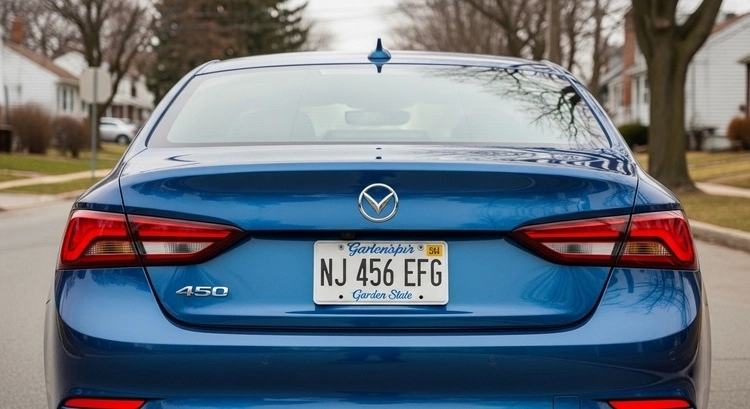
Your license plate is public information. Anyone driving behind you, walking past your parked car, or seeing a photo of your car can see it. That alone doesn’t mean your private life is wide open for everyone to dig into.
A plate number by itself usually reveals:
- The state (or country) where your car is registered
- The vehicle type
- Basic registration details that are only accessible to authorities
It doesn’t show your home address, phone number, Social Security number, or your full name to regular people unless they take extra steps.
What Can Someone Do With Your License Plate Number?
Here are a few things people might try to do with your license plate number.
Look Up the Car Model and Year
Using publicly available tools, someone may use your license plate number to identify the make, model, and approximate year of your car. They may also check whether the vehicle is stolen (via public stolen-vehicle databases).
This usually happens out of simple curiosity, after a minor parking lot situation, or when someone is interested in buying your car. In most cases, this type of lookup focuses on the vehicle, not the person driving it.
Try to Identify the Owner
Many people believe a license plate can instantly reveal their name or home address, but that isn’t true for the average person. Access to private registration details is restricted by the Driver’s Privacy Protection Act (DPPA). Only law enforcement or authorized agencies may see that kind of information.
However, if someone already knows something about you, such as your first name, neighborhood, or workplace, they may try to connect the dots using online tools or free people search engines that pull together public records from various sources.
File a Complaint or Report
A license plate can also be used to file a complaint or report related to your driving behavior or parking issues. In these situations, the plate number helps identify the vehicle involved. Even then, reports without strong evidence usually don’t lead to much action, and one isolated complaint rarely causes serious consequences.
Simply put, one angry driver or someone looking to commit insurance fraud can’t ruin your life just by memorizing your license plate number.
Create Fake Plates for Illegal Activity
In some situations, criminals copy real license plate numbers and use them to create fake plates. These fake plates are attached to another vehicle to avoid being identified when skipping tolls, stealing gas, or driving a car involved in other minor crimes where cameras are present.
While it can be stressful if your plate number is misused, these cases are relatively rare and often get flagged once patterns don’t line up, such as tickets or toll charges appearing in places you’ve never been.
Pretend to Be You When Contacting the DMV
Scammers sometimes try to use a license plate number to impersonate the vehicle owner. They may contact the DMV by phone or email and ask questions about a vehicle, its registration status, or license details.
Most DMVs have strict verification rules, which makes this type of scam difficult to pull off. Some scammers might still try their luck by creating a sense of urgency and sounding confident, hoping a DMV employee slips up.
Track Patterns in Your Daily Routine
If someone sees your car often enough, they may start connecting where you park, what time you’re around, and how frequently you visit certain places. This information can be combined over time to form a basic picture of your routine.
This type of tracking is manual and requires ongoing effort. It’s more commonly associated with personal disputes, ongoing harassment, or stalking rather than random situations.
How to Protect Yourself if Concerned
If an accident happens or you think your plate may have been copied, filing a police report is a smart first move. This creates a paper trail and helps protect you if questions come up later.
It’s also a good idea to contact your insurance company if you notice anything suspicious, such as charges, tickets, or claims that don’t make sense. Letting them know early can prevent bigger issues down the line.
On a day-to-day level, being cautious about where and how you share your license plate helps. Avoid posting clear photos of it (and your location) online, and don’t casually share the plate number with people you don’t know.