Steering Assist Fault Service Required: Complete Diagnostic and Repair Guide
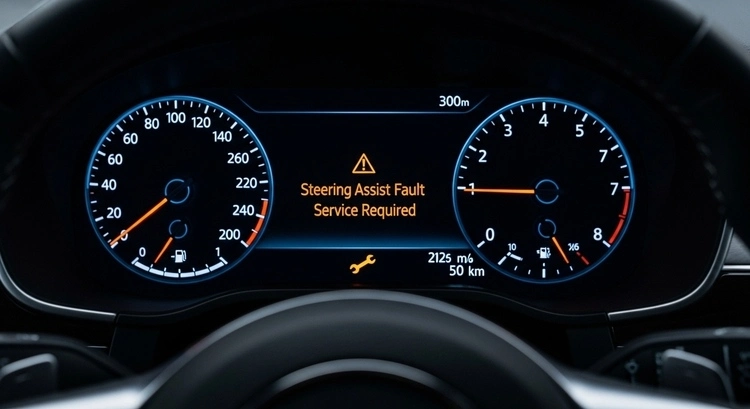
Seeing the “Steering Assist Fault Service Required” message pop up on your dashboard can quickly ruin your day. This warning means your vehicle has lost its power steering capabilities. You will suddenly find the steering wheel incredibly heavy and hard to turn, making driving very dangerous. Let’s break down exactly what this warning means, what causes it, and how you can fix it.
What Does the “Steering Assist Fault” Warning Mean?
Most modern vehicles use an Electronic Power Steering (EPS) system instead of an older hydraulic fluid setup. The EPS relies on a specialized electric motor to help you turn the wheels.
Your car’s Power Steering Control Module (PSCM) constantly monitors your steering angles and the physical effort you apply. If the main computer (ECU) detects an electrical glitch, a sensor error, or unusual mechanical resistance, it immediately triggers a fail-safe mode. This mode shuts down the power assist to protect the electric motor from burning out, which then triggers the fault warning on your dashboard.
Early Signs of a Failing Power Steering System
You can often catch a failing power steering system before it completely shuts down. Pay close attention to how your car feels and sounds on the road. If you notice a stiff steering wheel or feel the car pulling aggressively to one side, you have a brewing problem.
For older cars equipped with hydraulic systems, listen for groaning or whining noises when you take sharp turns. In newer cars with EPS, you might feel a slight vibration in the wheel or notice the steering feels slightly heavier than normal, just days before the dashboard warning light finally comes on.
Common Causes Behind the Steering Assist Fault
A steering fault rarely happens without a specific trigger. To fix the issue, you must first figure out if the root cause is electrical, mechanical, or sensor-related.
Electrical System Faults and Voltage Drops
Electronic Power Steering systems need a massive amount of electricity to work correctly. Because of this high demand, they are incredibly sensitive to voltage drops. A weak battery or a failing alternator will often starve the PSCM of power, causing it to shut down entirely.
Sometimes, the issue points to a larger manufacturing flaw rather than standard wear and tear. Automakers routinely discover widespread electrical defects that require massive interventions. For example, when Ford recalls hundreds of thousands of Maverick pickup trucks, it highlights just how sensitive modern vehicle electronics are to sudden voltage drops and module communication errors. Always check your battery health, inspect your high-amp fuses, and ensure all ground wires are completely tight.
Steering Angle Sensor (SAS) and Clock Spring Damage
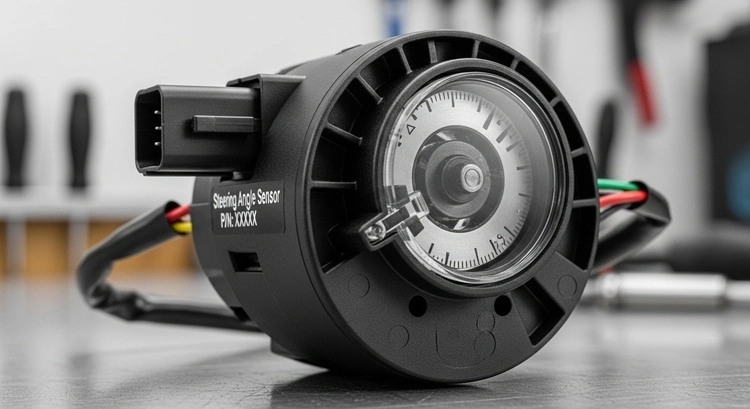
Your car uses a Steering Angle Sensor (SAS) to track exactly how far you turn the wheel. If you recently had your suspension worked on, or if a mechanic dropped the engine subframe, they might have misaligned the steering rack.
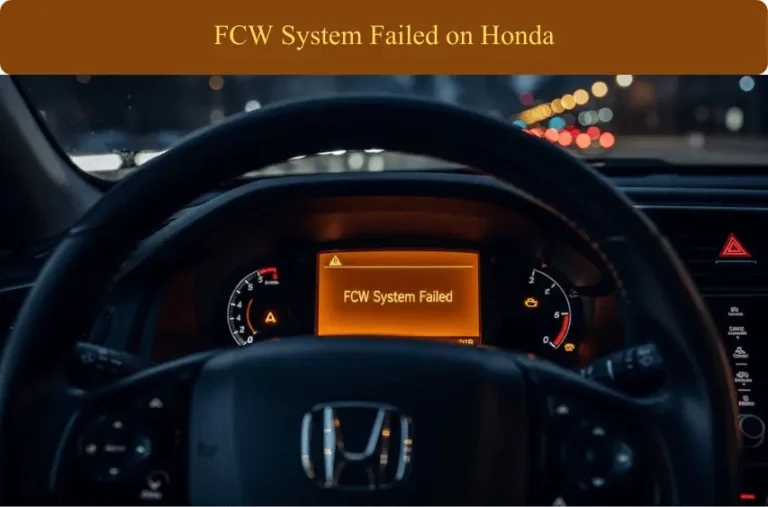
If someone turns the steering wheel while the steering rack is disconnected, they can easily snap the clock spring inside the steering column. This immediately breaks the sensor connection. When the main computer cannot read your steering angle, it throws a fault code and shuts off the steering assist. Furthermore, a broken SAS often disables other advanced safety features. In fact, a bad steering sensor is a common culprit when you see warnings that the FCW system failed on Honda or similar collision avoidance systems on other vehicle brands.
CAN Bus Communication Errors (U-Codes)
Your car relies on a complex communication network called the CAN bus. The main computer must constantly talk to the Power Steering Control Module. If a wire frays or a connector corrodes, this communication breaks down. Mechanics use OBD-II scanners to find these network drops, which usually show up as “U-codes” like U3000. When the system loses this connection, it instantly disables your steering assist for safety.
Low Power Steering Fluid and Leaks
While most new vehicles use electric motors, many cars still use traditional hydraulic or electro-hydraulic steering systems. These systems require pressurized fluid to turn the wheels easily. Over time, the soft rubber hoses carrying this fluid degrade and crack. A puddle of red or brown fluid under your car points directly to a leak. When fluid levels drop, the hydraulic pressure vanishes, leaving you with an incredibly stiff steering wheel.
Mechanical Component Wear (Pumps, Belts, and Pulleys)
Hydraulic steering systems rely on a mechanical pump driven by the engine’s serpentine belt. If that belt stretches, cracks, or slips, the pump stops spinning. A failing pump will often whine loudly right before it dies completely. Replacing a worn belt or damaged pulley often restores full power to the steering system.
Step-by-Step Guide to Fixing the Steering Assist Fault
You do not always need an expensive mechanic to clear a steering fault. Follow these steps to diagnose and resolve the issue systematically, starting with the easiest fixes.
How to Reset the EPS System
Sometimes, a simple software glitch triggers the warning light. You can force the Electronic Control Unit to reboot by disconnecting the car battery. Take off the negative terminal, then the positive, and wait ten minutes. Reconnect them and start the engine. This clears temporary electrical anomalies and often resets the EPS system back to normal operation.
Inspecting Wiring, Fuses, and Connectors
If a reset fails, open your fuse box. Look for the high-amp mega-fuses that protect the steering motor. A blown fuse cuts all power to the rack. Next, check the wiring harnesses in the engine bay. For example, leaving the Traction Control System (TCS) plug near the airbox disconnected will trigger a steering fault. Ensure every connector is snug and free of corrosion.
Checking and Topping Up Power Steering Fluid
If your vehicle uses hydraulic fluid, open the hood and locate the power steering reservoir. Pull the dipstick and check the fluid level against the indicator marks. If it sits below the minimum line, top it off using the exact fluid type specified in your owner’s manual.
Scheduling a Wheel Alignment and Sensor Calibration
If you recently replaced suspension parts, your wheels are likely out of alignment. An incorrect thrust angle confuses the steering sensors. You must take the car to a shop for a professional four-wheel alignment. The technician will then use a bidirectional scan tool, like Forscan or IDS, to zero out the Steering Angle Sensor.
Replacing the Power Steering Pump or EPS Motor
When all electrical and fluid checks pass, the hardware has likely failed. A dead hydraulic pump or a burned-out electric steering rack requires a complete replacement. This involves swapping out the damaged assembly, bleeding the lines, and flashing the new module to match your car’s computer.
Model-Specific Nuances: Ford Explorer, Fusion, and Mustang
Different vehicles exhibit unique steering failure patterns. Ford Explorer and Fusion models suffer heavily from power steering pump failures and wiring harness degradation as they age. On the other hand, the S550 Mustang (including the GT350) usually triggers this fault after mechanics drop the engine cradle for modifications. Disconnecting the electric rack without locking the steering wheel often damages the clock spring in these performance cars.
Preventative Maintenance to Avoid Steering Failures
You can prevent sudden steering failures with basic upkeep. Inspect your serpentine belts and steering hoses for cracks during every oil change. If you have a hydraulic system, flush the power steering fluid every 50,000 miles to remove metal shavings. Finally, replace your battery every three to four years to ensure your vehicle’s sensitive electronic modules receive a steady, strong voltage.