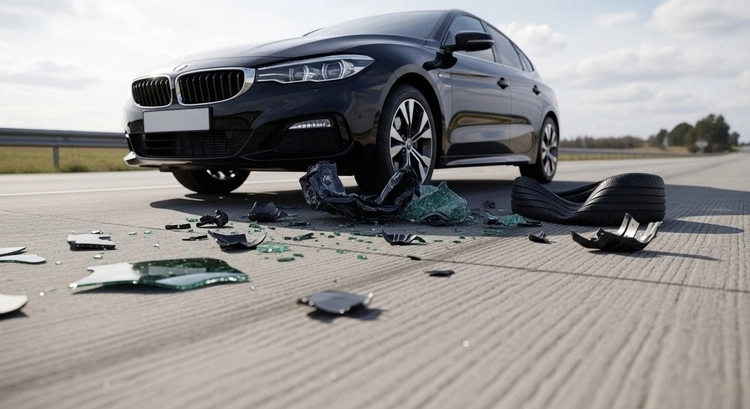
How Road Debris Can Ruin Your New Car and How PPF Can Help
You’ve just bought your new car, and you’re thrilled. You still have a bunch of payments to cover, but you don’t really think about that since you’re too busy being hyped about your new car.
You decide to go to the store.
You get into your new car, you crank up the music, and you zone out. And while your drive feels like it’s amazing, your paintwork would disagree.
You don’t think about it, but that short trip to the store is like a warzone for it.
It sounds (a bit) dramatic, but it’s true.
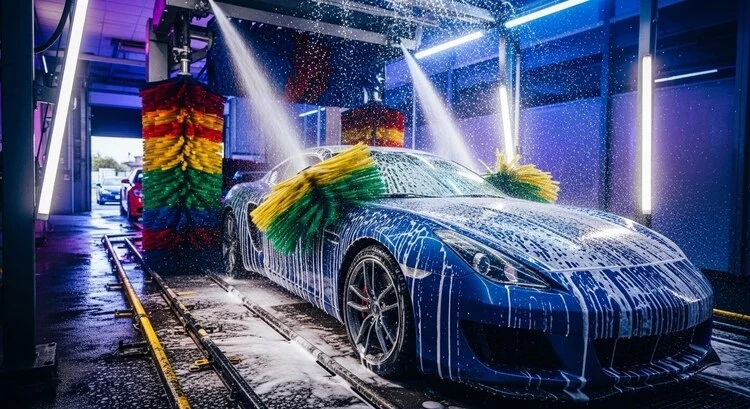
When it comes to the damage to the paint, people tend to think of fender benders, scrapes in the parking lot, and so on. But real damage doesn’t happen in a dramatic way, but slowly, one trip at a time. The paint gets attacked every day by loose gravel, sand, salt, bird droppings, tree sap, UV rays, and even by those automated car washes with their monstrous spinning brushes.
So how do you stop this damage? What’s the biggest issue with your car’s paint?
That’s exactly what this article is about.
Everyday Road Hazards That Wear Down Your Car Paint
For your car, the world is full of enemies, and most of them fly under your radar because they work slowly and you hardly notice either them or the damage they do. Still, that damage will get worse over time and, sooner or later, you’ll notice it big time and wonder where you went wrong with maintenance.
Here’s what your car is up against every time you drive it.
Gravel and Small Rocks
You’re cruising down the highway, listening to music, and then… Tink. Tink. And another thing.
All of that against your hood. You don’t even know what has happened, but then it hits you that it’s stones hitting your car from the vehicle in front of you. They were sort of kicked into your car. So, in other words, bad luck for you.
And your paint? What do you think? It was just hit by the equivalent of three tiny bullets.
This is what commonly happens on the front parts of your car (e.g., front bumper, hood, fenders, etc.) simply because they’re facing the traffic. And no, one rock isn’t that big of a deal, but thousands of impacts over a few months? Now that’s gonna cause some damage.
Winter Salt and Road Chemicals
Driving in the winter is tricky for many reasons, and your paint deals with a lot more than just slush. Road salt sticks to every surface it touches. And if it ends up in places such as wheel wells and/or lower panels, they can even hide there for days. The salty coating pulls moisture into any paint chip and speeds up corrosion like crazy.
So one little nick from a rock can turn into actual rust bubbles under your paint before you even notice that anything’s happening.
Sunlight and UV Exposure
The sun feels great on your skin, but on your car’s finish? It’s brutal.
UV rays slowly break down the clear coat that protects your paint, which makes it look faded and without shine. If you keep your car parked outside instead of in a garage, your paint will deteriorate even faster. You’ve probably noticed that some older cars look really chalky and dull, right?
Well, that’s the sun doing its thing year after year.
Bugs, Bird Droppings, Tree Sap
Apparently, nature hates clean cars. Bug guts, bird droppings, and tree sap all have acids that eat into your clear coat. If you leave them sitting on hot paint, they’ll etch permanent marks, and not polishing will fix them.
The longer they bake in the sun, the deeper the damage.
Automatic Car Wash Scratches
The spinning brushes are very convenient for you, but as far as your car’s paint is concerned, they might as well be sandpaper. They grab dirt from every car that came before you and grind that into your finish.
As a result, you’re left with swirl marks EVERYWHERE.
Where PPF Helps Most
Okay, time to fight that debris and UV rays.
The best way to do that is to park your car in the garage and never drive it. The second-best way is to apply PPF. Professionally, though, don’t try to do it yourself because it won’t come out well. Professional paint protection film installers, like the ones at Automotive Elegance paint protection, are your best bet here.
But yeah, what is even a paint protection film (PPF)?
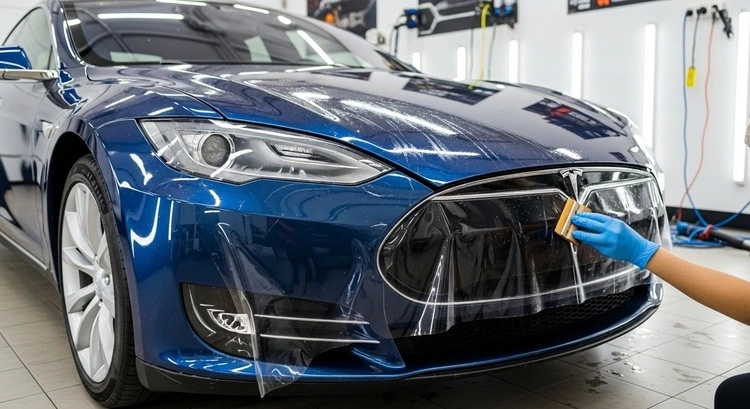
Well, think about it as sort of an invisible shield that’s designed to protect your car’s paintwork from incoming damage. It’s a clear urethane layer that goes right over your paint, so it takes the hit instead of your paint. When a rock starts flying towards your hood, PPF absorbs the impact and stops the paint that’s under it from chipping.
That’s PPF’s main job, but aside from that, it also blocks all the nasty stuff that was mentioned previously.
All of that hits the PPF instead of the clear coat, which leaves the paint with far less staining and etching. Modern films can even self-heal; light scratches literally disappear when the film gets warmed up (from the sun, a hair dryer, pouring hot water over it, etc.)
You don’t have to wrap your whole car in it to get the benefits, though. Focus on the front bumper, the hood, and fenders, your mirror caps, door edges, and lower panels behind the wheels.
Conclusion
So yeah, regardless of whether your car’s new or old, you want it to be nice and shiny, and you don’t want it damaged. And even if that isn’t important to you, you STILL want your car to retain its value.
And you definitely have to do something about it if you want to get there. PPF is one thing you can definitely do. It’s proven, it’s tried, it’s tested. And most importantly – it works.
Basically, any paint protection method will help, but PPF is the only one to keep you (somewhat) safe from rock chips.