Features to Look for in a High-Quality Car Cover
Your vehicle represents a major financial investment that deserves reliable protection. A car cover acts as its primary shield against the sun, rain, dust, and minor impacts. The correct cover preserves your car’s paint, interior, and overall resale value for years.
A simple tarp or ill-fitting cover can cause more harm than good through abrasion and moisture traps. Products that offer a precise fit, such as Coverland custom car protection covers, exemplify the necessary quality standards. Understanding these key attributes ensures you select a cover that truly guards your asset. The right choice will deliver peace of mind and tangible long-term benefits.
Material Composition and Performance
The fabric of a car cover dictates its fundamental protective capabilities. Different materials provide specific defense against UV rays, water, and contaminants. You must match the material to your primary storage environment and local climate.
A multi-layer fabric typically offers the best balance of breathability and water resistance. The outer layer should repel water, while an inner soft layer protects the paint’s clear coat. This construction prevents both water damage and the buildup of harmful condensation underneath.
All-Weather and Outdoor Fabrics
Outdoor covers need exceptional durability against constant sun and precipitation. Look for high thread counts and treatments that block ultraviolet light completely. These covers must also withstand wind without tearing at the seams or stress points.
Heavier materials like multi-layer polyester blends suit harsh, year-round outdoor conditions. A quality outdoor fabric will feel substantial and resist tears when you handle it. This robust construction is essential for vehicles parked outside in any season.
Indoor and Dust-Repellent Fabrics
Indoor storage prioritizes protection against dust, minor dings, and humidity. Soft, non-abrasive materials like flannel or cotton blends serve this purpose best. These fabrics allow the vehicle’s paint to “breathe” and prevent static dust attraction.
A plush inner layer provides a gentle buffer against accidental contact in a tight garage. The cover should remain lightweight for easy installation and removal during frequent use. Dust repellency is the key performance metric for any indoor storage solution.
Custom Fit Versus Universal Sizing
A cover’s fit is as critical to paint safety as its material composition. Universal or semi-custom covers leave loose fabric that flaps in the wind. This constant movement grinds dust and debris against the clear coat like fine sandpaper.
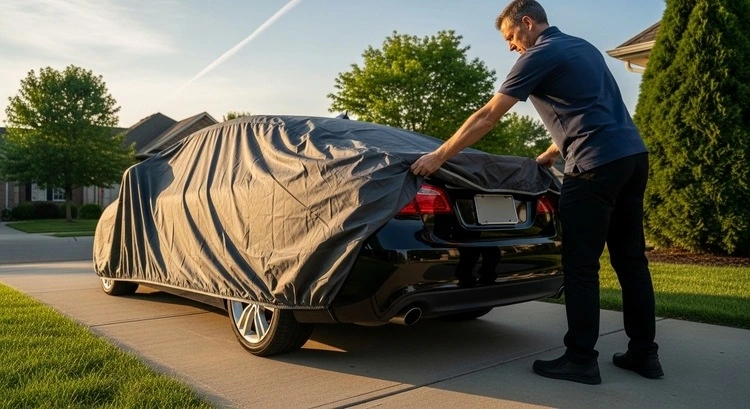
A true custom-fit cover contours to every curve, mirror, and antenna on your specific model. This snug fit eliminates abrasive movement and provides a sleek, tailored appearance. The time to measure your car is a worthwhile investment for flawless protection.
Precise Mirror and Antenna Pockets
Mirrors and antennas create raised points that a flat-sewn cover cannot accommodate. A quality design includes precisely placed pockets or panels for these protrusions. This detail prevents stress tears and ensures the cover lies completely flat.
These pockets also secure the cover against wind uplift around these common high-points. Look for reinforced stitching around these openings for extra durability over many uses. This level of detail separates adequate covers from exceptional ones.
Secure Fastening and Wind Resistance
A loose cover will not stay in place during a storm or a breezy afternoon. Secure fastening systems are mandatory for outdoor use in any location. Integrated straps, buckle systems, or a sewn-in elastic hem provide this essential hold.
The best systems allow for tension adjustment to achieve a snug, secure fit. A well-secured cover will not billow, flap, or expose sections of the car. This stability is the final component that makes the protective materials effective.
Breathability and Moisture Management
A car cover must block rain but also allow internal moisture to escape. Trapped condensation from temperature swings can promote mold and paint blisters. Breathable fabrics let this moisture vapor pass through while external water beads up and rolls off.
This feature is especially vital for cars stored under a carport or in a humid climate. Check the product specifications for a moisture vapor transmission rate (MVTR). A good MVTR rating indicates the fabric will keep the surface underneath dry.
Quality of Construction and Durability
Examine the seams, hems, and stress points for evidence of robust construction. Double-stitched seams with UV-resistant thread resist fraying and sun damage. Reinforced panels in high-stress areas, like the front bumper, extend the cover’s lifespan.
The quality of zippers, grommets, and strap attachments also indicates overall durability. These components should feel sturdy and operate smoothly without snagging the fabric. A cover built to last will protect your car through many seasons of reliable use.
Selecting a high-quality car cover requires attention to material, fit, and construction details. Prioritize a custom-fit design made from breathable, multi-layer fabric suited to your storage needs. A smart investment in protection, such as Coverland custom car protection covers, safeguards your vehicle’s appearance and value. The right cover delivers daily peace of mind and preserves your automotive pride for the long term.