Tesla Lemon Law Claims: Why Software Defects, Service Center Disputes, and a Non-Traditional Dealer Model Create Unique Legal Challenges
Buying a Tesla comes with a set of expectations that few other vehicles carry. The promise of cutting-edge technology, frequent over-the-air software updates, and a direct relationship with the manufacturer rather than a traditional dealership creates an ownership experience unlike anything the automotive industry previously offered. But when something goes wrong with a Tesla, and when the problem persists despite repeated service visits, owners often discover that the same characteristics that make Tesla distinctive also make lemon law claims against the company more complicated than claims against traditional automakers.
Understanding how lemon law protections apply to Tesla vehicles, what the most common qualifying defects look like, and how the absence of a traditional dealer network affects the claim process is essential for any Tesla owner dealing with a vehicle that simply will not perform as it should.
How Lemon Laws Apply to Tesla Vehicles
Every state has a lemon law, and all of them apply to new vehicles sold with a manufacturer’s warranty. Tesla vehicles are no exception. Despite Tesla’s non-traditional sales model, in which buyers purchase directly from Tesla rather than through a franchised dealer, the company’s vehicles are subject to the same state lemon law protections as any other new car. Tesla’s warranty is a manufacturer’s warranty, and defects that substantially impair the use, value, or safety of the vehicle and that persist after a reasonable number of repair attempts qualify for lemon law protection just as they would with any other manufacturer.
The general elements of a lemon law claim for a Tesla are the same as for any vehicle: the defect must be covered by the warranty, the manufacturer must have been given a reasonable opportunity to repair it, and the defect must substantially impair the vehicle. What is different about Tesla cases is how those elements play out in practice, given the company’s unique structure and technology approach.
The Software Defect Problem
Tesla’s vehicles are defined to an extent that no traditional vehicle is by its software. Autopilot behavior, battery management, regenerative braking calibration, display functions, charging systems, and dozens of other vehicle characteristics are software-controlled and subject to change through over-the-air updates. This creates a lemon law question that courts are still working through: does a persistent software defect that substantially impairs the vehicle’s use or safety qualify as a lemon law defect, and does Tesla’s practice of attempting to address it through remote updates count as a repair attempt under the statute?
The answer, in most states, is that a software defect that genuinely impairs the vehicle’s function is a qualifying defect under the lemon law, and an over-the-air update that fails to resolve the problem does not necessarily restart the repair attempt count in the owner’s favor. Tesla owners dealing with recurring Autopilot failures, phantom braking, persistent range miscalculations, or charging system defects that are not resolved by repeated software pushes may have stronger lemon law claims than they realize.
Common Tesla Defects That Generate Lemon Law Claims
The defects most frequently cited in Tesla lemon law claims include:
- Autopilot and Full Self-Driving malfunctions: Unexpected disengagement, phantom braking, failure to recognize lane markings, and erratic steering behavior that persists despite software updates and service visits
- Battery and range issues: Significant and persistent degradation of battery capacity beyond what is consistent with the vehicle’s age and mileage, or range estimates that are materially and consistently inaccurate
- Charging system defects: Failure to charge at rated speeds, inability to connect to Superchargers reliably, or onboard charger failures that limit charging options
- Suspension and structural issues: Premature suspension component failures, alignment problems that recur despite repeated adjustments, and body panel fit issues that affect water intrusion
- Display and control system failures: Touchscreen freezes or failures that affect climate control, navigation, and vehicle settings access, which in Tesla’s interface-dependent design can substantially impair use
Tesla’s Service Network and the Repair Attempt Count
Lemon law claims require that the manufacturer be given a reasonable number of repair attempts. For Tesla owners, this creates a specific procedural challenge because Tesla’s service network is more limited than traditional dealer networks in many parts of the country, and Tesla’s mobile service technicians who visit owners’ homes often address issues through software diagnostics and remote updates rather than physical repair records that clearly document a repair attempt.
Maintaining a detailed personal record of every service appointment, every mobile service visit, every over-the-air update that claimed to address a specific defect, and every communication with Tesla’s customer support about the problem is essential for building a lemon law claim. Tesla’s own service records, which owners can request, combined with the owner’s documentation, form the paper trail that establishes the repair attempt count.
The Federal Trade Commission’s resources on lemon laws and vehicle warranties provide context on consumer warranty rights and the protections available under both state lemon laws and the federal Magnuson-Moss Warranty Act, which applies to any consumer product sold with a written warranty and provides an additional federal legal avenue for warranty disputes.
The Magnuson-Moss Act as a Federal Alternative
When state lemon law protections do not fully cover a Tesla defect situation, the federal Magnuson-Moss Warranty Act provides an alternative or supplementary avenue. The Magnuson-Moss Act allows consumers to sue for breach of a written warranty in federal court, and critically, it provides for the recovery of attorney fees if the consumer prevails. This fee-shifting provision is what makes Magnuson-Moss claims practically viable: it aligns the incentives so that attorneys can take strong cases on contingency, and it creates real financial exposure for manufacturers who litigate warranty claims rather than resolving them fairly.
How a Tesla Lemon Law Lawyer Changes the Outcome
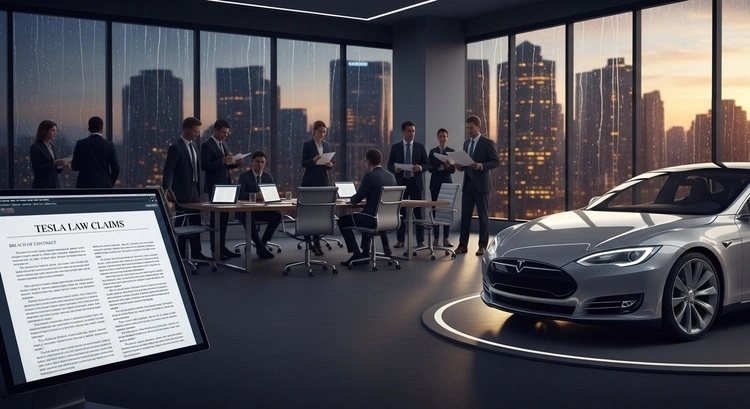
Working with an experienced Tesla lemon law lawyer gives owners access to the legal knowledge needed to navigate Tesla’s non-traditional dispute process, assess whether the specific defects qualify under the applicable state law and the Magnuson-Moss Act, and present the claim in a way that maximizes the chance of a buyback, replacement, or cash settlement. Tesla’s legal team is experienced with lemon law claims and handles them strategically. Owners who approach the process without guidance are consistently at a disadvantage.
Most lemon law attorneys handle these cases on a contingency basis under the fee-shifting provisions of the Magnuson-Moss Act, meaning no upfront legal fees for the owner. That structure makes early legal consultation a low-risk, high-information step for any Tesla owner dealing with a persistent, unresolved defect.