Driving Practices That Can Boost Your Car’s Lifespan
Owning a car is a major investment, and most owners want it to last a long time. According to S&P Global, the average vehicle age in the US is climbing, and it reached 12.8 years in 2025. This figure signals broader changes in buying behavior, the durability of modern vehicles, and overall economic conditions.
While vehicle longevity depends greatly on the make and model, the right driving habits also make a difference. By practicing these habits, you can keep your car running smoothly for hundreds of thousands of kilometers. Poor driving practices, on the other hand, can shave years off your vehicle’s life, leading to costly repairs or early retirement.
You can adopt some simple changes to how you drive and care for your car to extend its lifespan. In this article, we will share the driving practices to help you save money while reducing environmental impact.
Drive Smoothly
Smooth driving is one of the most underrated ways to preserve your engine, transmission, and brakes. Conversely, jackrabbit starts and hard braking can generate excessive heat and stress on components. Aim for gradual acceleration to reach cruising speed, which minimizes fuel waste and engine strain. Braking gently and avoiding hard stops are equally important.
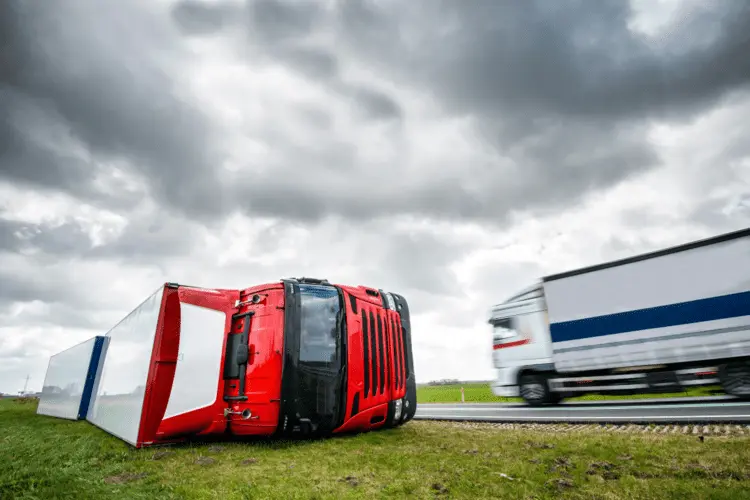
On highways, cruise control helps sustain steady speeds, cutting transmission shifts that grind gears over time. Moreover, driving smoothly translates into safety. However, you need to be cautious about reckless drivers around you. Someone else’s negligence can cause accidents that lead to injuries and vehicle damage. Even though reckless driving laws discourage negligence, plenty of accidents involving cars and motorcycles still happen.
Loewy Law Firm cites the examples of Texas, where a modified comparative negligence rule is applicable. This means you will not get recovery if you are more than 50% responsible for the crash. By committing to smooth driving, you can prevent accidents and injuries and keep your car safe from damage.
Warm Up Gently
Modern cars don’t need long warm-ups like older models, but it is still important. According to Consumer Reports, when a car sits for a prolonged period, the oil drains down. It is circulated throughout the motor when you start the engine. This is how all the necessary moving engine components get lubricated.
While giving the engine a chance to warm up is a good idea, you don’t need to run it beyond defogging the windshield and warming the car cabin. Doing that only wastes fuel, builds up carbon deposits, and stresses the catalytic converter. The best piece of advice is to start your engine and drive gently for the first few kilometers.
Let the engine idle for just 30 seconds while checking gauges, and then accelerate softly until the oil reaches operating temperature. This usually requires 5–10 minutes of light driving. In cold weather (below 0°C), you can idle up to a minute. Warming up can be skipped for hybrids and EVs, as electric motors warm instantly.
Avoid revving a cold engine because it can crack exhaust manifolds from thermal shock. Gentle warm-ups preserve seals and gaskets, too. Drivers following this see oil changes stretch to full intervals without sludge buildup. The best part is that slow warming cuts emissions and ensures compliance with strict regulations in some areas.
Avoid Frequent Short Trips
Do you hit the road several times during the day to buy groceries or visit the gym in the next block? Surprisingly, short trips under 10 km are a stealth killer for your car. A Yahoo! Life article highlights how this practice can damage car engines. Short trips do not give the engine enough time to reach its ideal operating temperature.
As the engine never fully warms up, this leads to condensation in the oil, diluted lubricants, and accelerated battery drain. Fuel fails to burn completely, and cylinders get coated with residue that scores walls over time. These “cold starts” multiply over time. If you make five 5-km trips daily, consider it 50 cold cycles weekly versus one long drive.
You can easily avoid this habit by combining errands, such as grocery runs plus bank visits. Park in one spot for multiple stops. Track your driving patterns with an app to identify and fix habits and make your car last longer.
Be Proactive About Maintenance
Your maintenance habits are as important as your driving practices when it comes to vehicle longevity. However, the rising maintenance costs are a major concern for car owners. Aftermarket Matters shares AAA’s 2024 Vehicle Ownership Study to highlight the cost implications. According to the study, the average yearly maintenance cost for passenger vehicles in the US increased to $1,234, representing a 12% surge over 2023.
No matter how expensive routine maintenance sounds, neglecting it can lead to high costs down the line. Moreover, you may have to replace your car sooner rather than later if you fail to address regular upkeep. Follow your owner’s manual to ensure regular oil changes, air filter replacements, and coolant flushes per schedule.
Neglect leads to cascading failures, such as dirty oil starving bearings, and bad belts snapping timing components. When replacements are needed, opt only for quality parts. Keep a close watch on red flags like rattling sounds and foul smells. Address small issues before they snowball, and get professional diagnostics yearly to catch hidden woes like sensor failures.
FAQs
Not at all, your car can survive beyond this number if you go the extra mile with care and good driving habits. Moreover, many well-maintained Hondas, Toyotas, and Volvos exceed 400,000 km. Check reviews and recommendations to choose the right make and model for a long-lasting ride.
Many signs indicate that a vehicle is close to its end-of-life stage. Some of these include blue exhaust smoke, strange smells, constant overheating, knocking noises, or frame rust. Electrical gremlins and fluid leaks signal major repairs. When you notice these signs, consider buying a new car instead of spending a big amount on repairs.
Vehicle replacement is warranted when repairs do not seem to pay back their worth. For example, you must consider it when annual repairs exceed 50% of its worth. Safety features lag is another valid reason because driving such a vehicle can be risky. Soaring fuel costs also indicate replacement. Aim for 15–20 years or 300,000+ km with good care.
Boosting your car’s lifespan boils down to these mindful habits. These are not drastic changes but smart tweaks that save fuel, cut repairs, and keep you safer on the road. Imagine hitting 300,000 km without major headaches. Your vehicle is built to last, but it thrives on care. Start today by easing off the pedal and staying proactive if you want those kilometers to add up.