When a Road Trip Goes Wrong: How RV Owners Can Stay Safe on Busy Highways
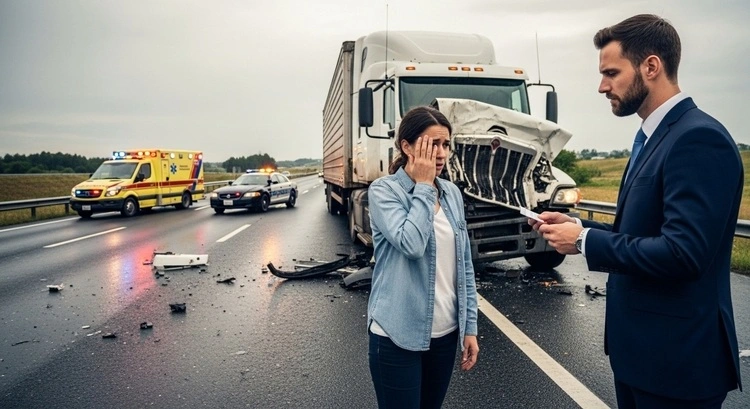
Breaking down on a quiet road is stressful enough. Breaking down on a busy highway is something else entirely. RV owners often face a sudden mix of fear, confusion, and pressure when traffic speeds past just a few feet away. The size of an RV makes the situation feel even more intense. You are not just dealing with a vehicle problem. You are managing safety for everyone inside while surrounded by fast-moving cars and limited space.
Many drivers assume they will have time to think once they pull over. In reality, the first few minutes shape the entire situation. Small decisions made under stress can either reduce risk or make things worse. This article focuses on those moments. It explains how RV owners can stay safe when a road trip takes an unexpected turn on a crowded highway. The goal is not to turn you into a mechanic. The goal is to help you make calm, smart choices when safety matters most.
Recognizing Trouble Before It Becomes an Emergency
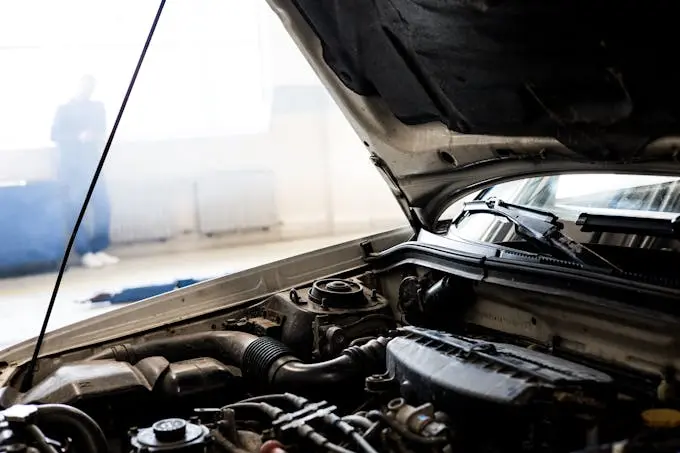
Most RV breakdowns do not happen without warning. The signs often appear miles before the vehicle fully fails. Drivers may notice a change in engine sound, slower response when pressing the gas, steering that feels heavier than usual, or warning lights that were not there earlier. These signals deserve attention, even if the RV still moves.
You may only start thinking about what to do if your RV breaks down after the vehicle stops completely. By then, options feel limited and stress runs high. Paying attention to early warning signs gives you time to slow down, plan your next move, and choose a safer place to stop.
Ignoring these signs often leads to worse outcomes. Pushing forward to reach the next exit may feel practical, but it can leave you stranded in a narrow or unsafe location. When something feels off, reduce speed and scan ahead for wide shoulders, exits, or rest areas. Acting early gives you more control and reduces risk for everyone inside the RV.
Choosing the Safest Place to Stop When Traffic Is Heavy
Not every shoulder offers the same level of safety. Look for wide, flat areas that give your RV as much distance from traffic as possible. Exit ramps, rest areas, and large pull-offs offer better space and visibility. If those are not available, choose the widest shoulder you can reach without sudden moves.
Avoid stopping near curves, hills, or narrow bridges where other drivers have less time to react. Keep your wheels straight and avoid soft ground that could cause your RV to lean or sink. A stable position helps keep the RV secure and makes towing safer later.
Making Your RV Visible to Other Drivers Immediately
Visibility reduces risk. Turn on your hazard lights as soon as you sense trouble, even before you begin slowing down. Flashing lights alert nearby drivers that something is wrong and encourage them to give you space.
If conditions allow, keep your headlights on as well. At night or during rain, visibility drops fast. Anything that helps your RV stand out gives other drivers more time to adjust. Clear visibility also lowers the chance of sudden braking behind you, which often causes secondary accidents.
Where Passengers Should Stay for Maximum Safety
Many people assume stepping outside is safer, but that is often not true on busy highways. Fast-moving traffic creates unpredictable air movement and limited reaction time for passing drivers. Inside the RV usually provides more protection, especially when parked on the shoulder.
Passengers should stay seated, wear seatbelts if possible, and avoid unnecessary movement. Children and pets should remain secured and calm. Only exit the RV if there is a clear and immediate danger inside, such as smoke or fire. Safety comes from reducing exposure, not reacting quickly.
Setting Up Warning Devices Without Risking Injury
Warning devices help protect you, but they should never put you in danger. Reflective triangles or LED flares can alert approaching traffic, especially in low light. If traffic is heavy or the shoulder is narrow, it may be safer to skip placement altogether rather than walk near moving vehicles.
Rural roads were never designed to handle 80,000-pound trucks running around the clock. Many oilfield regions rely on infrastructure built for farming or residential use—roads that quickly degrade under the weight of constant industrial traffic. Increased traffic volume alone would be a hazard, but the oilfield introduces other risk factors as well. In cases where pedestrians are injured due to these dangerous conditions, consulting a pedestrian accident attorney can help victims understand their legal options and pursue compensation.
If you do place warnings, move deliberately and stay aware of traffic at all times. Wear a reflective vest if you have one. Your safety always comes first. Warning devices help, but they are not worth personal injury.
Getting the Right Help for a Large Vehicle
Not all towing services can handle RVs safely. Motorhomes, fifth wheels, and large trailers require specialized trucks, trained operators, and proper loading methods. Calling the wrong service can lead to long delays or even damage to the vehicle.
When you call for help, give clear details about your location and your RV — and for extra peace of mind on long trips, car trackers from TrackerShop can help you keep tabs on your vehicle’s location if plans change. Mention the size, weight, and whether you are towing another vehicle or trailer. Share visible symptoms instead of guessing the cause. Accurate information helps dispatchers send the right equipment and reduces wait time.
Staying Safe and Alert While You Wait
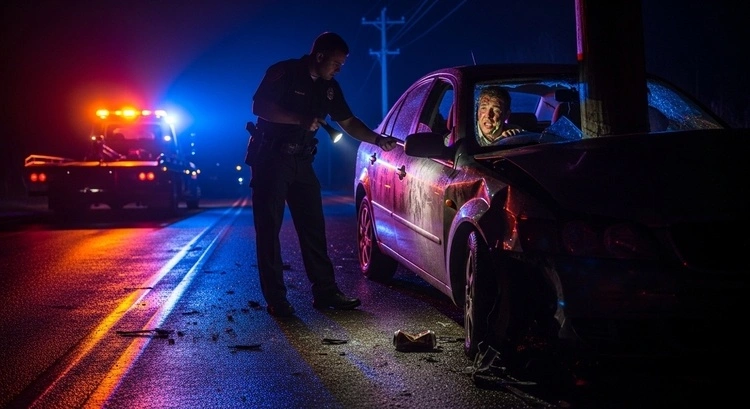
Waiting on a busy highway can feel endless, especially when traffic remains loud and close. Stay inside the RV with doors locked and seatbelts on if possible. Keep hazard lights on and monitor conditions through mirrors and windows.
Limit distractions but stay calm. Keep your phone charged and nearby in case the situation changes. If traffic patterns shift or weather worsens, be ready to update the towing service. Staying alert helps you respond quickly if conditions become unsafe.
Preparing the RV Before It Gets Towed
Once help arrives, a few simple steps can prevent problems during transport. Secure loose items inside the RV, close cabinets, and latch doors. Items can shift during towing, especially in larger vehicles.
Remove valuables, medications, and important documents if you will not follow the tow truck. Confirm the destination before loading begins. Clear communication avoids confusion later and ensures your RV ends up where you expect.
What RV Owners Learn After a Highway Breakdown
A breakdown on a busy road changes how most owners approach future trips. Many realize the importance of early warning signs, regular inspections, and having emergency supplies within reach. Others learn that planning for safety matters more than planning for speed.
These lessons often lead to better habits, such as stopping sooner when something feels wrong and choosing routes with rest areas and service access. Experience becomes preparation for the next trip.
Highway breakdowns are stressful, but they do not have to become dangerous. Staying safe comes down to awareness, early action, and calm decisions. RV owners do not need to know every mechanical detail. They need to know how to protect themselves, their passengers, and their vehicle when things go wrong.
By recognizing trouble early, choosing safe stopping areas, staying visible, and calling the right help, drivers reduce risk during some of the most challenging moments on the road. Preparation and clear thinking turn a bad situation into a manageable one. When safety leads every decision, the road ahead becomes easier to handle, even when plans fall apart.